
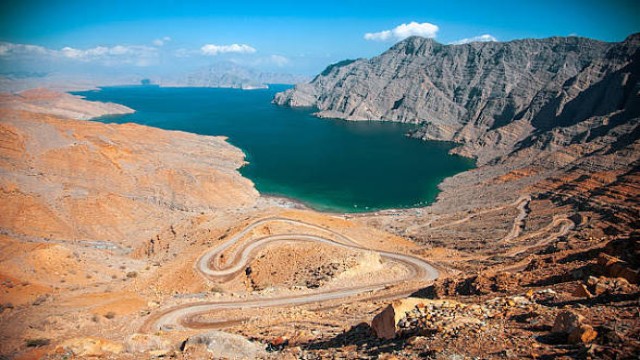
April 7, 2026 (V7N) – The United States has initiated a military operation to clear Iranian-laid mines in the Strait of Hormuz, a vital waterway through which one-fifth of the world’s oil passes. The move comes as President Donald Trump announced that Washington had begun the process of "clearing out" the strait, a key global shipping route that has been largely blocked by Iran since the onset of the US-Israeli war with Iran in February.
US Naval Operation: According to US Central Command (CENTCOM), the operation was launched with the USS Frank E. Peterson and USS Michael Murphy, both guided-missile destroyers, taking part in clearing the mines. Admiral Brad Cooper, CENTCOM commander, stated that additional US forces, including underwater drones, could join the operation in the coming days.
Iran Rejects US Claims: Tehran strongly denied Washington's claims, with military spokesperson Ebrahim Zolfaghari stating that the initiative for the passage of any vessels lies solely with Iran’s armed forces. The Iranian Revolutionary Guards also threatened to take "severe" action against any military vessels attempting to cross the strait, adding that passage would only be permitted for civilian vessels under "specific conditions."
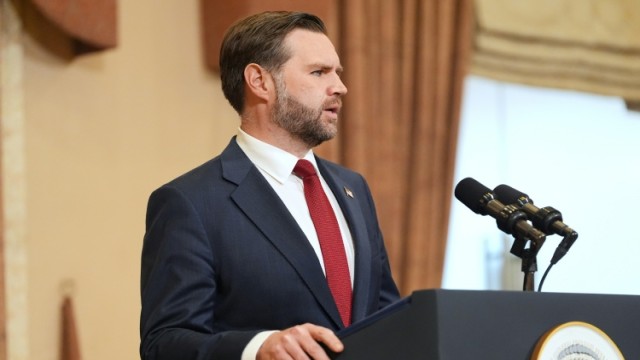
Trump’s Statement: In a social media post, President Trump emphasized the US role in securing the passage, calling it "a favor" to countries such as China, Japan, and France. Trump argued that Iran was "losing big" in the conflict, but acknowledged the continued threat posed by Iranian sea mines.
Strait of Hormuz Blockage: The strait has been effectively blocked by Iran since February 28, with the Iranian government laying mines and disrupting shipping routes. This is seen as part of Iran's broader strategy to control access to the key waterway, which is crucial for global oil shipments.
Ceasefire Conditions: The reopening of the Strait of Hormuz was one of the conditions of the ceasefire brokered earlier this week, although the truce remains fragile as both sides continue to clash over key issues, including Iran’s nuclear ambitions and the future of the conflict.
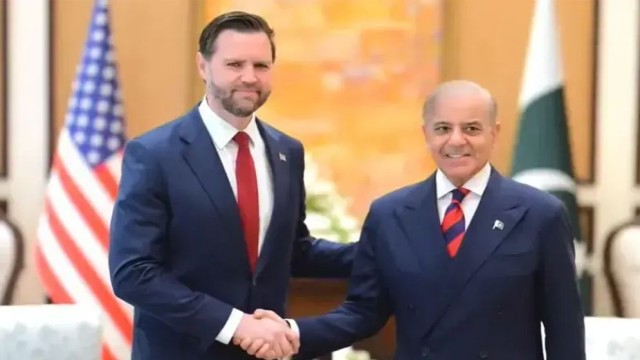
US-Iran Negotiations: On Saturday, senior US and Iranian officials met face-to-face in Islamabad, Pakistan, as part of ongoing negotiations aimed at de-escalating the conflict and finding a path to peace. The talks, however, have yet to produce any significant breakthrough as both sides remain at odds on critical issues.
Global Economic Impact: The conflict continues to send shockwaves through the world economy, particularly in global oil markets. The blockage of the Strait of Hormuz has led to soaring energy prices and heightened global economic instability.
With tensions in the Strait of Hormuz reaching new heights, the risk of military confrontation remains high. While the US Navy’s efforts to clear the strait signal a significant escalation, diplomatic talks in Pakistan offer a slim hope for de-escalation. However, the unresolved disputes over Iran’s nuclear program and its regional ambitions make a lasting peace agreement difficult to achieve.
END/WD/RH/









Comment: