
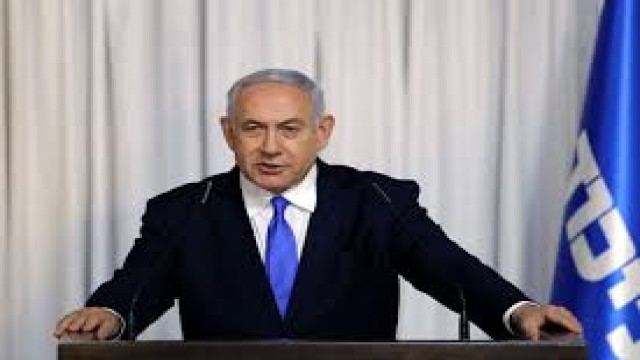
April 12 (V7N) – Israeli Prime Minister Benjamin Netanyahu declared on Saturday that the joint US-Israeli campaign against Iran had successfully "crushed" the Islamic Republic’s nuclear and ballistic missile programs, marking a significant milestone in the ongoing Middle East conflict. Netanyahu’s statements came as Iranian and US officials engaged in face-to-face talks in Pakistan, aiming to bring an end to the war.
Success Against Iran’s Nuclear and Missile Programs: In a televised address, Netanyahu stated, "We have succeeded in crushing the nuclear program, and crushing the missile program," adding that Iran no longer has a single functioning enrichment facility. He emphasized that the military campaigns, which began in June 2025 and were followed by another wave of attacks starting February 28, had significantly weakened Iran’s leadership and its regional alliances.
War Rationale and Iranian Resistance: Netanyahu revealed that the decision to launch the latest war came after intelligence reports indicated that the late Iranian Supreme Leader Ali Khamenei had attempted to further develop Iran’s nuclear and missile capabilities, even after the initial 2025 conflict. He described Iran's efforts to hide its missile and nuclear production in "deep underground facilities" that were beyond the reach of conventional military strikes, prompting Israel and the US to act once more.
Continued Threat from Iran: While Netanyahu acknowledged that Iran still possesses some missile stockpiles, he claimed that Iran’s capacity to produce and deploy new missiles had been severely degraded. The Israeli Prime Minister framed the conflict as a struggle for survival, stating, "They wanted to strangle us, and now we are strangling them."
Israel-Lebanon Peace Discussions: Netanyahu revealed that Lebanon had recently approached Israel about initiating peace talks. While he welcomed this move, he laid down two conditions: the dismantling of Hezbollah’s weapons and the establishment of a real, lasting peace agreement. Netanyahu confirmed that Israel had given its approval for these talks, and a meeting is scheduled for next week in Washington to discuss a ceasefire in the ongoing Israel-Hezbollah conflict.
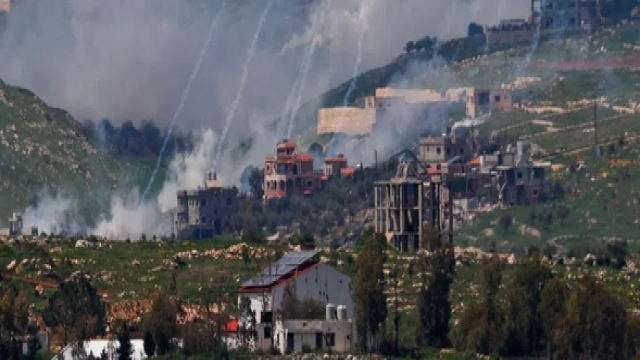
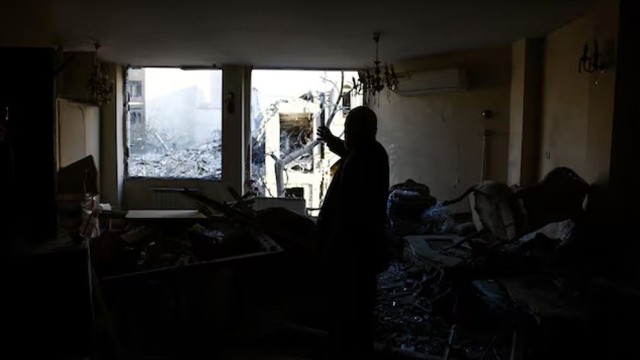
Hezbollah-Israel Clashes: The conflict with Hezbollah escalated on March 2, after Hezbollah launched rockets at Israel in retaliation for the killing of Khamenei. Since then, Israel has launched extensive airstrikes, resulting in the deaths of at least 2,020 people in Lebanon, including 248 women, 165 children, and 85 medical and emergency workers, according to Lebanese health officials. Israel has claimed that its latest airstrike in Lebanon was one of its largest yet, killing hundreds of Hezbollah fighters.
Protests Against the War: While Netanyahu spoke about the success of the war efforts, around 800 Israeli protesters gathered in Tel Aviv to rally against the ongoing wars in Iran and Lebanon. Protesters accused Netanyahu of trying to derail the Iran ceasefire, with some holding signs that read "No to endless wars, no to a government of death."
Protester Criticism: Martin Goldberg, a 61-year-old demonstrator, argued that Netanyahu was not genuinely seeking a ceasefire in Iran. "What happened immediately after the ceasefire in Iran, Israel launched one of its largest attacks in Lebanon, which in my opinion, was an attempt to try and sabotage the ceasefire with Iran," Goldberg told AFP.
Distrust in Netanyahu’s Leadership: The protesters, many of whom were frustrated with the continued violence, chanted, "In Bibi, we don’t trust," reflecting widespread opposition to Netanyahu’s handling of the conflict and his approach to peace negotiations.
Despite Netanyahu’s optimistic claims about the success of the US-Israel campaign against Iran, the situation in the Middle East remains highly volatile. The Iran-Lebanon-Israel conflict shows no signs of abating, and the continuing violence is driving domestic unrest in Israel, with a growing number of citizens questioning the government's approach. While peace talks with Lebanon are underway, the broader war involving Iran remains a critical issue, and its resolution continues to look uncertain.
END/WD






Comment: