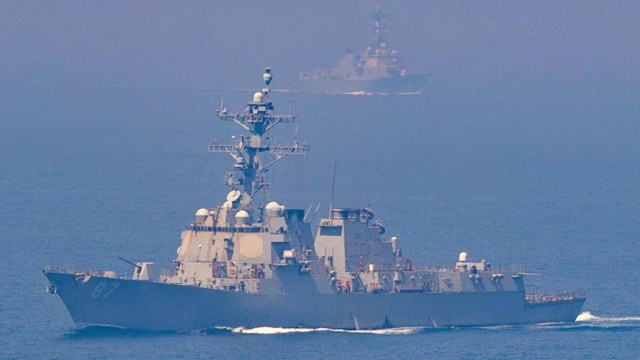
WASHINGTON/ROME, May 9, (V7N) — Tensions in the Middle East reached a critical juncture on Friday as the United States enforced a strict naval blockade, leading to direct military engagement with Iranian vessels, while President Donald Trump announced he is awaiting a definitive response from Tehran on a proposed peace deal.
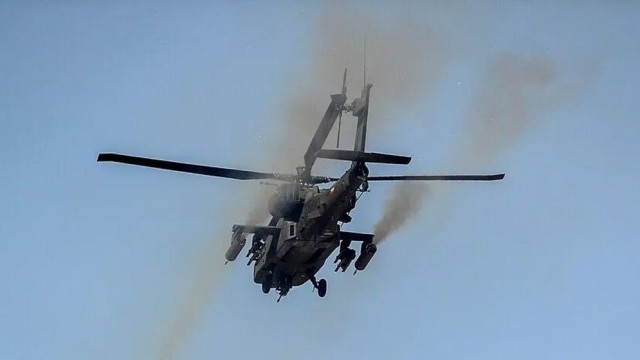
The United States' naval blockade of Iran transitioned from a policy of containment to one of direct kinetic engagement. The disabling of two Iranian tankers by U.S. Navy F/A-18 Super Hornets marks a significant escalation in the Gulf of Oman, effectively cementing the maritime siege that has been in place since mid-April. This military maneuver, aimed at crippling Tehran's ability to utilize its primary export routes, has not only sparked retaliatory strikes from the Iranian Navy but has also triggered a massive environmental disaster. Satellite data confirming a 20-square-mile oil slick near Kharg Island underscores the devastating ecological cost of a conflict that has already paralyzed global energy markets since the closure of the Strait of Hormuz in late February.
While the physical conflict intensifies, a parallel war of rhetoric and high-stakes diplomacy is unfolding between Washington and Tehran. President Donald Trump has positioned himself as the ultimate dealmaker, publicly stating that he expects a definitive response to his proposed peace plan by midnight. However, the language coming from Tehran remains defiant; Mohammad Mokhber, a senior adviser to the Supreme Leader, has explicitly likened Iran's control over the Strait of Hormuz to an "atomic bomb," signaling that the regime views its ability to trigger a global economic collapse as its most potent deterrent. This "atomic" posturing suggests that even if a letter arrives "tonight," the gap between U.S. demands and Iranian survival strategies remains vast.
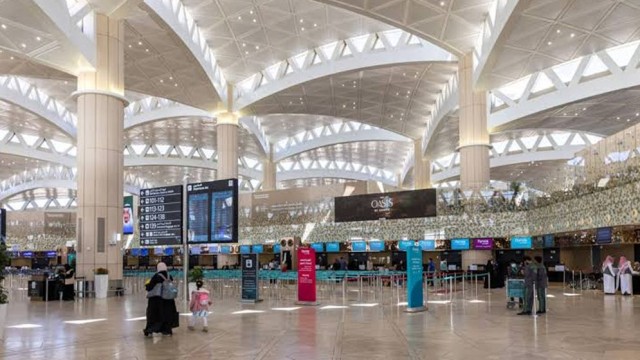
The ripples of this Gulf crisis are now threatening the historical foundations of the trans-Atlantic alliance. In Italy, Secretary of State Marco Rubio issued a stark ultimatum to European allies, suggesting that the scale of the U.S. military presence in Europe is contingent upon NATO's willingness to assist in securing Middle Eastern waterways. This "burden-sharing" rhetoric comes at a time when traditional regional allies, such as Saudi Arabia, are distancing themselves from U.S. offensive operations to avoid being caught in the crossfire. The refusal of the Kingdom to allow the use of its airspace for strikes against the Strait of Hormuz indicates a significant fracture in the regional security architecture, leaving the U.S. to enforce its blockade with a shrinking pool of active partners.
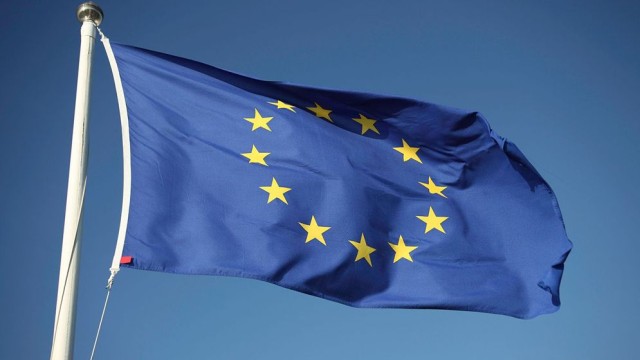
On the periphery of the Gulf, the humanitarian and economic fallout continues to broaden, affecting regions from Lebanon to the heart of the European Union. In the UAE, drone and missile attacks have begun to extract a physical toll, while in Lebanon, the fragile ceasefire with Hezbollah is nearing a total collapse following deadly Israeli strikes in Beirut and the south. Simultaneously, the European Union is scrambling to protect its citizens from the economic shockwaves of the war; by banning retroactive fuel surcharges on airline tickets and clearing the use of U.S. Jet A fuel, Brussels is attempting to stabilize a transport sector reeling from soaring energy costs. As the clock ticks toward the midnight deadline for Tehran’s response, the international community remains suspended between the hope of a Trump-led diplomatic breakthrough and the reality of a rapidly expanding regional war.
END/WD/RH/