


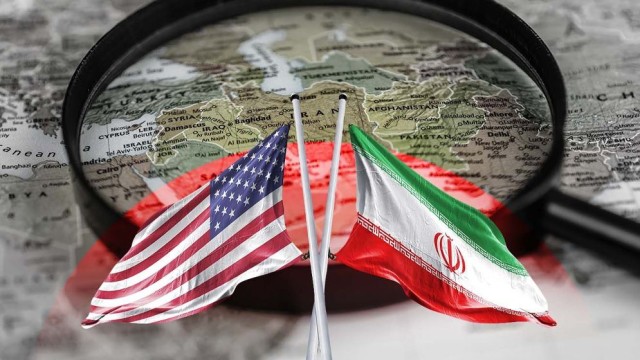
Tehran, Jan 12 (V7N) — Long-standing rivals the United States and Iran are once again on a collision course, raising fears of a fresh military confrontation in the Middle East. With Washington signaling possible action amid ongoing protests in Iran and Tehran issuing strong counter-warnings, the regional atmosphere is increasingly being described as a pre-war situation.
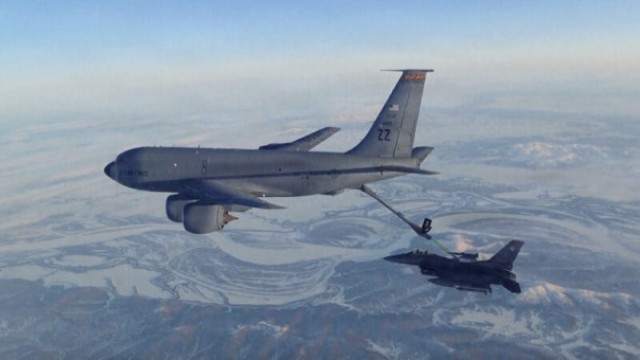
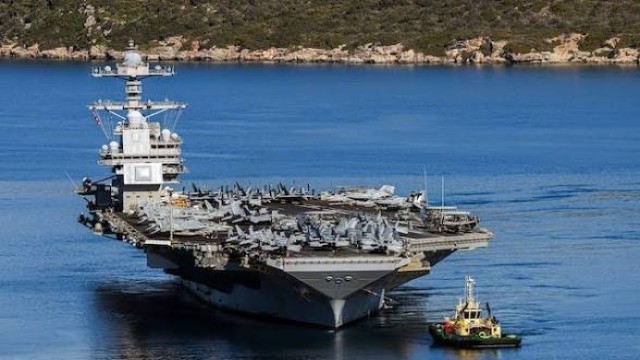
The United States has repeatedly condemned Iran’s crackdown on nationwide protests and is now reportedly reinforcing its military presence in the Middle East. According to multiple international media reports, the Trump administration has been transferring significant military equipment to the region over the past several weeks as part of a pressure strategy against Tehran.
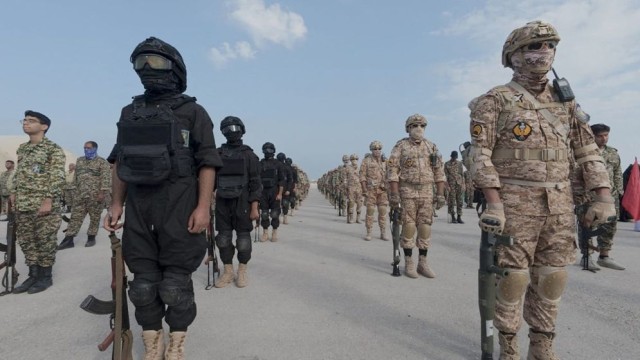
In response, Iranian authorities have warned that any US military action would place Israel and American military bases across the Middle East at serious risk. Iranian officials have stated that retaliation would not be limited and could target US interests throughout the region.
Analysts point out that Tehran’s potential response is not merely rhetorical. In June, Iran launched missile strikes on US military installations in Qatar and Iraq following American attacks on its nuclear facilities. Iran also retaliated after Israeli strikes, signaling that it would not remain passive in the face of aggression.
According to the Council on Foreign Relations, the United States maintains military bases in at least 19 locations across the Middle East. An estimated 40,000 American troops and civilians are stationed within striking distance of Iranian missile capabilities. Major concentrations of US forces are located in Qatar, Bahrain, Kuwait, the United Arab Emirates, and Saudi Arabia, with additional monitoring and operational bases in Egypt, Iraq, and Jordan.
The largest US military installation in the region is Al Udeid Air Base in Qatar, spanning roughly 60 acres. It houses around 10,000 US personnel, along with their families, and hosts more than 100 aircraft. Meanwhile, Bahrain serves as the headquarters of the US Navy’s Fifth Fleet, providing Washington with extensive naval reach across the Gulf.
Despite Iran’s relatively limited air and missile defense systems, military experts believe that a full-scale Iranian response could still cause significant damage to US bases and regional allies. However, doubts remain about Tehran’s ability to directly strike the US mainland.
As diplomatic efforts remain stalled and military posturing intensifies on both sides, observers warn that any miscalculation could push the region into a broader and more dangerous conflict.
END/SMA/AJ


















Comment: