


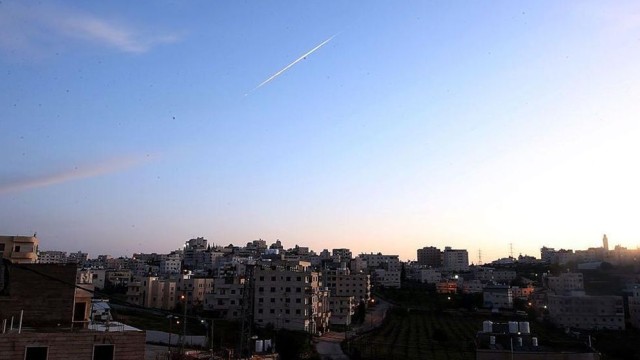
SANAA, Mar 29 (V7N) – Yemen’s Houthi rebels (Ansar Allah) have intensified their involvement in the regional conflict, claiming to have launched a "second wave" of coordinated missile and drone attacks against Israel on Sunday. The announcement, reported by several international news outlets including BBC News, follows the group’s official entry into the war yesterday.
The "Second Military Operation"
Houthi military spokesperson Brigadier General Yahya Saree issued a televised statement early Sunday detailing the new offensive:
-
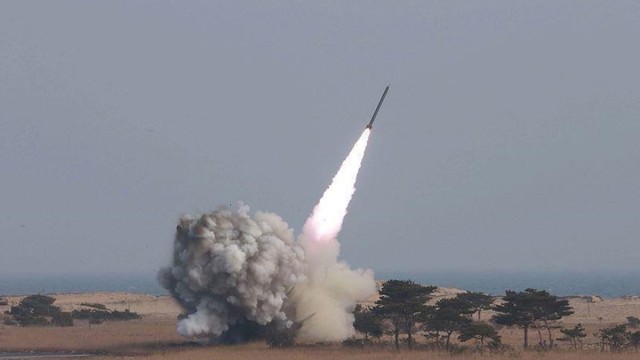
The Arsenal: The group reportedly used a "barrage of cruise missiles and drones" to target what it described as "vital and military sites" in southern Israel.
-
Coordination: Saree emphasized that the timing of these strikes was synchronized with ongoing military operations by Iran and Hezbollah in Lebanon, framing it as a unified "Holy Jihad Battle."
-
Claim of Success: The spokesperson claimed the second operation "successfully achieved its objectives," though the Israeli military (IDF) maintained that its defense systems intercepted the threats over the Red Sea without reported casualties.
Ending a Five-Month Strategic Pause
The weekend’s attacks mark a major shift in the Houthis' strategy. Since the October 2025 Gaza ceasefire, the group had largely refrained from direct strikes on Israel.
-
The Catalyst: Houthi leaders recently warned that any escalation in the U.S.-Israeli strikes on Iran—which began on February 28, 2026—would force them to react.
-
Direct Intervention: Yesterday’s first wave (involving ballistic missiles) and today’s second wave (cruise missiles and drones) represent the group’s most significant direct engagement in the current month-old war.
Impact on Global Shipping and Oil
The Houthi entry is already being felt in the energy sector, compounding the crisis caused by the closure of the Strait of Hormuz.
-
Bab al-Mandab Threat: With Houthi fingers "on the trigger" in Yemen, the Bab al-Mandab Strait—the southern gateway to the Suez Canal—is now considered a high-risk zone for commercial shipping.
-
Market Reaction: Analysts warn that a "double-choke" on both the Hormuz and Red Sea routes could drive oil prices well beyond the current $118 per barrel mark.
-
Maritime Security: The arrival of the USS George H.W. Bush carrier strike group and the USS Tripoli (carrying 3,500 Marines) is partly intended to deter Houthi attacks on merchant vessels, which saw over 100 ships targeted in previous years.
Diplomatic Isolation of the Houthis
The internationally recognized government of Yemen, operating from Aden, issued a statement on Sunday afternoon condemning the Houthi leadership. The Presidential Council accused the rebels of "acting as a proxy for Tehran" and "dragging the Yemeni people into a destructive regional war" to alleviate political pressure on the Iranian regime following the death of its Supreme Leader on February 28.
END/SMA/AJ




















Comment: