


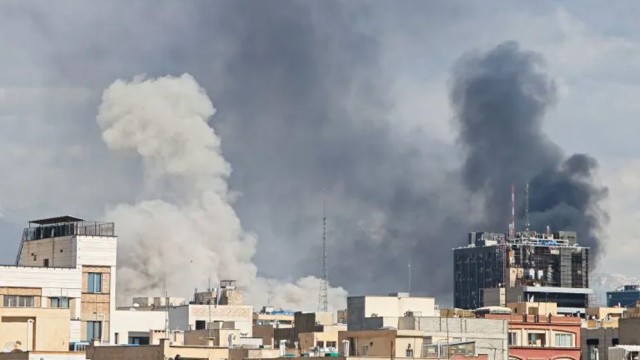
Tehran, Mar 07 (V7N) — Intense fighting continues between Iran and a coalition led by the United States and Israel, with repeated airstrikes and missile launches reported across several countries in the Middle East.
Attacks on Tehran and Key Infrastructure
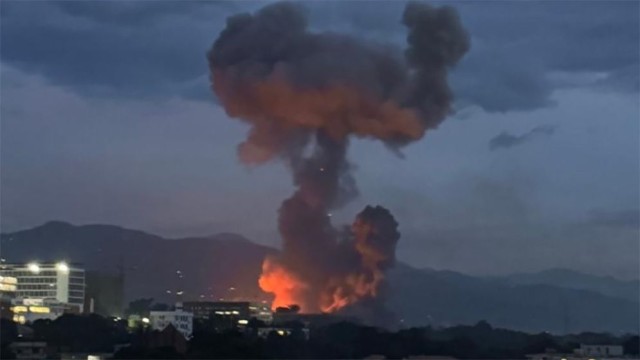
Iranian officials said the capital Tehran has been struck in multiple phases, with operations targeting government and strategic infrastructure. One of the major strikes reportedly hit Mehrabad International Airport.
Israeli airstrikes were also reported to have targeted Ali-Asghar Hejazi, deputy chief of staff in the office of the Supreme Leader. Several Israeli media outlets claimed he was killed in the attack, though there has been no independent confirmation.
Elsewhere, at least two people were killed in a joint strike in the city of Qom, while an explosion was reported near Natanz Nuclear Facility.
The United States Central Command (CENTCOM) claimed that more than 3,000 targets in Iran have been struck this week, adding that 43 Iranian warships were destroyed since the beginning of the military operation.
Iran’s Counterattacks
Tehran says it has also launched extensive retaliatory operations. Iranian authorities claimed they destroyed THAAD radar systems in the United Arab Emirates and Jordan, as well as the US FPS-132 radar in Qatar.
The Islamic Revolutionary Guard Corps (IRGC) announced the 23rd phase of “Operation True Promise”, targeting military sites in Tel Aviv, Ben Gurion Airport, and the port city of Haifa.
Israel said its defense systems intercepted the incoming missiles and reported no casualties, although warning sirens were heard across various parts of the country throughout the day and night.
Missile Strikes Beyond Israel
The IRGC said it used Khorramshahr-4 missile during Friday’s operation. Iranian strikes were also reported in Basra, Iraq, targeting residential compounds used by employees of foreign oil companies, including US firms.
Growing Regional Conflict
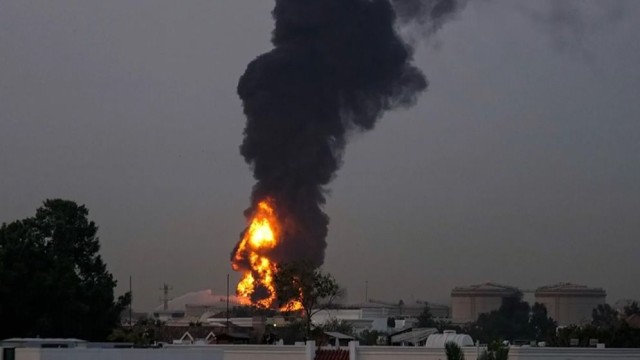
The ongoing exchange of strikes has heightened fears of a wider regional war, with military actions now affecting several Middle Eastern countries and critical energy infrastructure. Analysts warn that continued escalation could have severe consequences for both regional security and global energy markets.
END/SMA/AJ














Comment: