


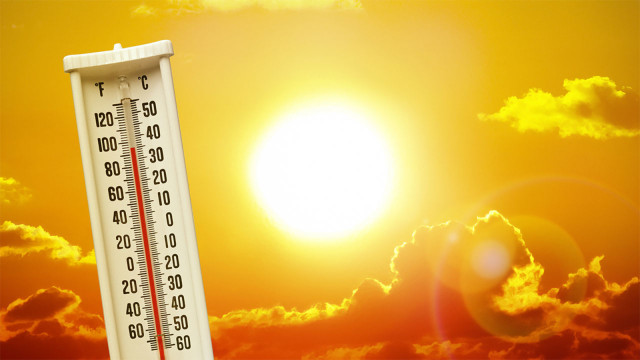
USA, Mar 22 (V7N) – A record-breaking heatwave sweeping across the western United States is rapidly moving east, bringing unusually high temperatures to regions that were experiencing freezing conditions just days ago.
Dozens of cities from California to Colorado have recorded their hottest March temperatures on record, according to the National Weather Service Weather Prediction Center.
On Saturday, new monthly highs were set in multiple locations, including Kansas City, Missouri, and North Platte, Nebraska, both reaching 92°F (33.3°C). The extreme temperature swings have stunned meteorologists and residents alike.
In Chanute, Kansas, the shift has been particularly dramatic — temperatures soared from a record low of 13°F (-10.5°C) on March 16 to a record high of 91°F (32.8°C) just four days later, highlighting the intensity of the heatwave.
Meanwhile, Phoenix recorded an unusually warm overnight low of 70°F (21.1°C) on Saturday — the earliest such temperature ever observed in the year for the desert city.
Other cities also broke daily records, including Denver at 86°F, Grand Island, Nebraska at 98°F, and Midland, Texas at 98°F.
The most extreme conditions were recorded on Friday along the southern California–Arizona border, where temperatures reached a staggering 112°F (44.4°C), setting a new national March record.
The National Weather Service has issued extreme heat warnings for desert regions, along with red flag warnings across parts of Nebraska, Kansas, and Oklahoma, signaling a heightened risk of wildfires.
Scientists warn that such intense and early-season heatwaves are a clear indicator of accelerating climate change, driven largely by fossil fuel emissions. As the northern hemisphere transitions into spring, the unusual heat is already disrupting ecosystems.
Across the western United States, plants and trees have begun blooming earlier than usual, with rapid vegetation growth fueled by heavy winter rains — raising further concerns about wildfire risks in the coming weeks.
The heatwave continues to expand eastward, with millions more expected to face unseasonably high temperatures in the days ahead.
END/WD/RH























Comment: