


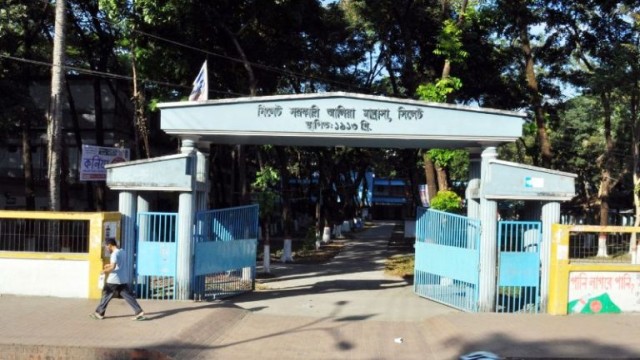
Sylhet, Dec 29 (V7N) — Academic activities at the century-old Sylhet Government Alia Madrasa have been critically hampered due to an acute shortage of teachers, lack of staff, and aging infrastructure, raising concerns about the future of the historic institution.
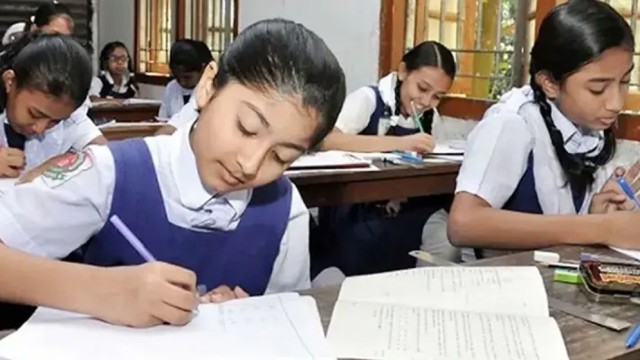
Established in 1913, the madrasa currently serves more than 2,500 students but operates with only 19 teachers against an approved strength of 56 positions. Administrative operations are being managed by just two employees instead of the sanctioned 19, further aggravating the situation.
According to institutional sources, Sylhet Government Alia Madrasa offers education from the Dakhil level up to postgraduate studies, including honours courses in four subjects, Fazil (Bachelor’s) pass courses, and two-year postgraduate programmes across four groups. Despite its academic scope and historical significance, the institution has long been struggling with neglect and resource constraints.
Former and current students have expressed deep frustration, alleging that the madrasa is being deliberately pushed toward decline. They said the deteriorating condition of the institution is unacceptable and called for urgent intervention from all quarters to save it from further degradation.
Due to the prolonged teacher crisis, classes at the lower secondary level have already been suspended. As a result, the number of students enrolled in the Dakhil Class Ten has dropped to just 12 this year, a sharp decline that reflects the severity of the situation.
Principal Professor Muhammad Mahmudul Hasan said the madrasa authorities have repeatedly informed senior officials of the Technical and Madrasah Education Department about the ongoing problems. He noted that the issue was also raised during the recent visit of the department’s secretary, Muhammad Rafiqul Islam, to Sylhet. According to the principal, the secretary acknowledged the challenges and mentioned government plans to develop three Alia madrasas in the country, including the one in Sylhet.
Vice Principal Professor Dr. Md. Didar Chowdhury said the institution’s heritage is now under serious threat due to multiple crises. He stated that managing academic activities for more than 2,500 students with such a limited number of teachers has become extremely difficult. He added that the madrasa lacks essential facilities, including a dedicated science laboratory, computer lab, separate hostels for male and female students, a conference room, residences for the principal and superintendent, teacher dormitories, sufficient office space, and a proper administrative building. These deficiencies, he said, have severely disrupted a healthy learning environment.
General Secretary of the Sylhet Government Alia Madrasa Teachers’ Council, Md. Fazlur Rahman Chowdhury, identified transportation and hostel shortages as two of the most pressing issues. He said resolving these problems would significantly improve student attendance in classrooms.
Fazil pass course student Mahibur Rahman said many students travel long distances to attend classes, making regular attendance difficult. He noted that adequate hostel facilities would make it much easier for students to continue their studies consistently.
Former student Abdul Hasib blamed what he described as government indifference for the institution’s decline and demanded effective measures to restore its former stature. Another alumnus, Gias Uddin, alleged that the madrasa has effectively become an orphaned institution due to the lack of state patronage and called for immediate action to reverse the situation.
Sylhet Government Alia Madrasa predates Dhaka Alia Madrasa in terms of its establishment. The institution has significant land resources, covering approximately 7.17 acres, around 40 percent of which is used as a playground. Stakeholders say this land availability presents strong potential for academic and infrastructural development if timely government support is ensured.
Educationists and students alike warn that without urgent intervention, the continued neglect of this historic institution could result in irreversible damage to its academic legacy.
END/RIM/SMA/











Comment: