


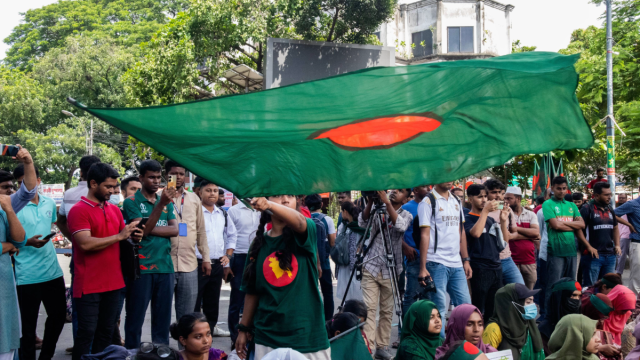
Dhaka, Jan 22 (V7N) — As Bangladesh approaches its 13th National Parliament Election on February 12, political parties are increasingly turning to digital platforms to reach voters, especially the younger generation.
Alongside traditional rallies, processions, and public meetings, platforms such as TikTok, Facebook, YouTube, and Instagram have become central battlegrounds. Parties are using short videos, reels, emotional interviews, satirical content, and rhythmic songs to attract the attention of 'Gen G' voters—many of whom were active in the student-led movement against Sheikh Hasina in August 2024.
One notable example is a song released last November, produced by London-based musician HAL Banna. Its lyrics—“Boats, rice sheaves and plows are over; this time Bangladesh will be built by scales”—reject traditional party symbols like the Awami League, BNP, and Jatiya Party, presenting Jamaat-e-Islami-backed symbols as alternatives. The song went viral, with candidates across constituencies adopting it.
In response, BNP released its own election anthem, emphasizing unity and the welfare of the people: “We are before me, our country is before us; people are before power, Bangladesh is before everyone.” The National Citizens Party (NCP), which emerged from the 2024 movement, has also circulated its official song widely on social media.
The digital campaign is especially focused on policy messaging and youth engagement. BNP has launched MatchMyPolicy.com to present policy proposals online and gather public opinion, while Jamaat has introduced janatarishtehar.org to prepare a manifesto based on voter feedback. Analysts note that BNP is using short videos and graphic content to highlight its promises, while Jamaat-friendly content focuses on portraying BNP as a continuation of the Awami League, along with anti-India messages spread through memes and social media copy.
With 74 percent of Bangladesh’s population online—around 130 million internet users, including 64 million Facebook users, 50 million YouTube users, 56 million TikTok users, and 9 million Instagram users—the reach of online campaigns is significant. According to the Election Commission, 43.56 percent of voters are aged 18 to 37, many voting for the first time.
Analysts caution that while online campaigns are influential, traditional ground politics remain crucial. Digital engagement can shape opinions, but face-to-face campaigning and voter mobilization will still determine election outcomes, particularly among young voters.
END/SMA/AJ





















Comment: