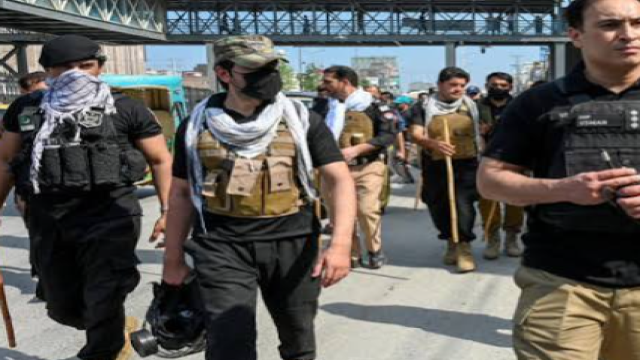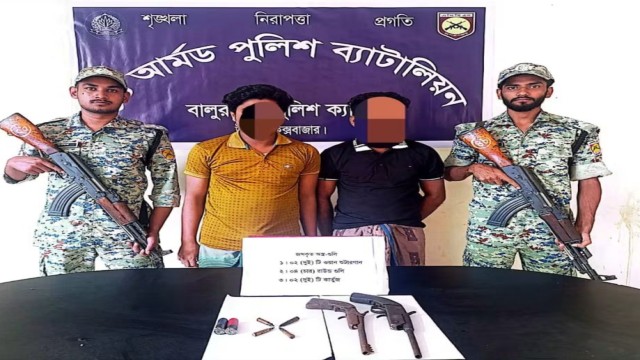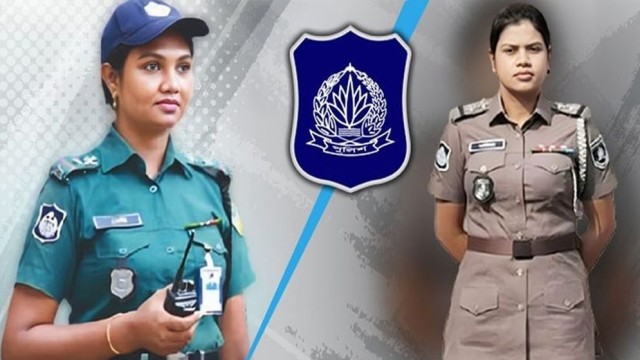
DHAKA, Apr 01 (V7N) — Following the mass uprising of 2024, the Bangladesh Police force is poised for another uniform change as widespread dissatisfaction grows over the recently introduced attire. The "interim" uniforms, which were intended to symbolize a new era for the force, have instead faced heavy criticism from both rank-and-file officers and security experts.
According to Police Headquarters, approximately 90 percent of police personnel have expressed a desire to return to one of the force's previous uniform styles.
Quality Concerns and "Noman Group" Investigation
Beyond aesthetic and symbolic concerns, serious questions have been raised regarding the functional quality of the current kits.
-
Physical Discomfort: Officers have reported that the fabric has low sweat-absorption capabilities and is unsuitable for Bangladesh's humid climate.
-
Lab Test Results: To verify these claims, Police Headquarters sent samples provided by the supplier, Noman Group, for laboratory testing.
-
Contract Violations: The investigation report revealed that the moisture content and yarn density of the fabric did not meet the specifications outlined in the original contract.
Media AIG Shahadat Hossain confirmed that legal action will be taken based on the final investigation findings.
Identity Crisis: "Does Not Suit Our Force"
The Bangladesh Police Service Association (BPSA) has been vocal in its opposition to the current design. General Secretary Md. Anisuzzaman stated that the association was against the change from the beginning because the new colors too closely resemble those used by various private security institutions and other organizations.
"The uniforms do not go with our force... they match the uniforms of various institutions exactly," Anisuzzaman noted, highlighting the loss of a distinct institutional identity.
Budget and Implementation
The Ministry of Home Affairs has hinted that a return to an "old uniform" is imminent. Crucially, officials emphasized that this shift will not require a new budget allocation.
-
No Additional Cost: AIG Shahadat Hossain explained that while the color will change, the existing budget for annual uniform procurement will be utilized, meaning no extra burden on the taxpayers.
-
Reversion Strategy: The government is expected to select a color and style that prioritizes both professional distinctiveness and climate-appropriate fabric characteristics.
Expert Analysis: Beyond the Fabric
While the uniform remains a focal point, security analysts and academics argue that a change in clothing is not a substitute for institutional reform.
-
Image vs. Morale: Security analysts warn that returning to a previous uniform will not automatically restore the force's image or morale if underlying systemic issues remain unaddressed.
-
The Psychological Link: Dr. Touhidul Haque, a teacher at Dhaka University, noted that while color and design play a role in citizen security and crime control, the government must prioritize the "characteristics" of the uniform that facilitate duty.
-
Accountability: Experts are calling for a "reward and reprimand" system, urging the government to focus on ensuring the police force serves the public interest rather than party interests, regardless of what they wear.
END/SMA/AJ