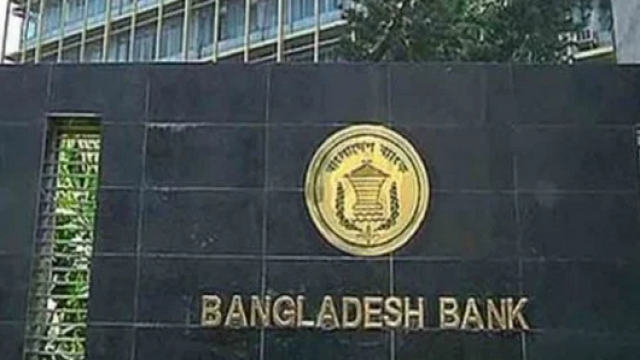
DHAKA, May 8, (V7N) — In a decisive move to stabilize the national economy and bolster the resilience of the financial sector, Bangladesh Bank has officially extended the deadline for business and financial restructuring applications until June 30, 2026. This extension is designed to provide struggling borrowers with a critical window to reorganize their financial obligations, ensuring that businesses can remain operational amidst shifting economic conditions. According to a circular released by the central bank on Thursday night, this facility allows for the rescheduling and restructuring of various loan categories, specifically targeting unclassified loans such as those labeled STD-0 through SMA, as well as classified loans in the SS, DF, and B/L categories, provided they were classified on or before March 31, 2026.
The central bank has coupled this extension with rigorous administrative mandates to ensure transparency and prevent the misuse of the policy. Scheduled banks have been instructed to settle all restructuring applications within a strict three-month timeframe from the date of receipt. However, a critical caveat remains: the processing period will only commence once the required down payment has been fully realized in cash. Bangladesh Bank clarified that any applications submitted with cheques or other non-cash financial instruments will not be considered effective until the funds are successfully encashed. Furthermore, the central bank stipulated that these benefits are not available to borrowers who have already received support under previous circulars or through the Selection Committee for Business and Financial Restructuring, thereby ensuring that the relief is directed toward those who have not yet accessed such facilities.
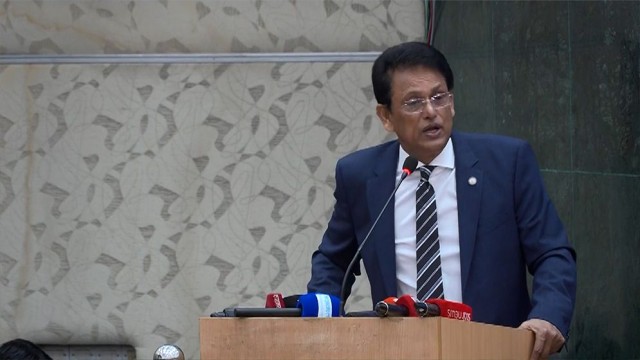
Parallel to these banking reforms, the capital market is seeking a similar infusion of modernization and regulatory support. A high-level delegation from the Dhaka Stock Exchange, led by Chairman Mominul Islam, recently met with Bangladesh Bank Governor Md Mostaqur Rahman to propose a sweeping array of structural and technological upgrades. The DSE is advocating for the alignment of the Bangladeshi capital market with global standards, specifically suggesting that the securities settlement cycle be shortened from the current T+2 to a more efficient T+1. To facilitate this, the exchange has requested an extension of the operational hours for the Real-Time Gross Settlement system. The DSE also highlighted the need to simplify Non-Resident Investor's Taka Accounts to attract a higher volume of foreign direct investment, which is seen as vital for market depth and liquidity.
Technological advancement remains a priority for the DSE, which proposed a phased liquidation of its own Fixed Deposit Receipts and Special Notice Deposit accounts to independently fund its digital upgrades. Beyond infrastructure, the DSE is pushing for the expansion of the secondary market for government securities and the launch of Sukuk trading to diversify investment options. One of the more significant requests involves granting the stock exchange direct access to Credit Information Bureau reports. This would allow the DSE to perform more robust risk assessments and enhance its oversight capabilities, thereby protecting the market from fraudulent activities and poorly managed credit risks.
The meeting also touched upon a sensitive and ongoing development regarding the merger of five major Islamic banks, including First Security Islami Bank, Social Islami Bank, Global Islami Bank, Union Bank, and EXIM Bank. The DSE expressed significant concern regarding the impact of these mergers on general shareholders. The delegation urged the central bank to maintain high levels of transparency to ensure that small investors do not suffer from the dilution of their ownership or bear the financial burden of past mismanagement or irregularities within these institutions. Governor Mostaqur Rahman responded with an assurance that these concerns would be prioritized and that the central bank remains committed to protecting investor interests during these structural transitions.
As these financial and capital market reforms take shape, Bangladesh’s external economic indicators show a degree of stability. According to the latest data from the central bank, the country's foreign exchange reserves currently stand at $35.62 billion. When measured against the International Monetary Fund's Balance of Payments and International Investment Position Manual accounting standard, the reserves are recorded at $30.96 billion. Central bank officials noted that this reserve position is a key indicator of the country's ability to navigate global economic uncertainties and maintain external sector stability. The combination of extended loan restructuring, proposed stock market modernizations, and a steady reserve level suggests a comprehensive strategy aimed at fostering long-term economic growth.
The central bank's directive also included specific rules for borrowers utilizing the exit facility, which allows clients to settle their liabilities and leave a credit arrangement permanently. Such loans must now be recorded specifically as exit accounts, and banks are required to maintain general provisions against them. Importantly, specific provisions already held against these loans cannot be moved to a bank’s income account until the recovery is fully realized. Additionally, any borrower who opts for an exit facility will be barred from receiving any new credit from that specific bank until all outstanding debts are cleared in full. These measures reflect a dual approach by the government and the central bank to offer flexibility to the business community while maintaining a strict regulatory grip on the banking and capital markets.
END/BUS/RH/