


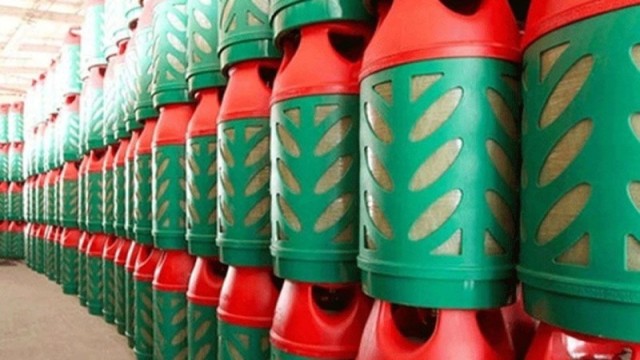
Rajshahi, Jan 19 (V7N) — A severe shortage of liquefied petroleum gas (LPG) cylinders has gripped Rajshahi city and surrounding areas, disrupting household cooking and threatening the survival of hotels and restaurants.
According to updated data, Rajshahi Metropolitan City has a population of 1,013,867, while the district population stands at 3,023,178. The total number of families in the district and metropolitan area combined is 776,245. Daily demand for LPG cylinders in Rajshahi and its metropolitan area ranges between 35,000 and 40,000 units. However, for the past three weeks, supply has fallen to only one-fifth of the total demand.
Despite paying higher prices, consumers are unable to secure cylinders. Many customers are being forced to place orders a week in advance and still pay nearly double the government-fixed price. In many households, cooking has come to a halt as cylinders are simply unavailable in the market.
Residents say the situation has become unbearable, as alternative cooking methods such as firewood are not practical in urban settings. Official sources reveal that only 9,157 households in Rajshahi city have piped gas connections, while the vast majority depend entirely on LPG cylinders.
Discussions with affected consumers, retailers, and LPG dealers indicate that the crisis began in mid-December. Anticipating a price hike, LPG companies reportedly reduced supplies to dealers and agents by nearly half. Although the price of a 12.5 kg cylinder increased by Tk 53 in January—from Tk 1,253 to Tk 1,306—supply has declined further since the increase.
Retailers claim they are unable to meet customer demand due to irregular and insufficient supply. Consumers, however, accuse sellers of hoarding, a claim traders deny. Market visits show that most retail outlets have little to no stock, and where cylinders are available, prices often exceed the official rate by a wide margin.
Several residents reported paying between Tk 2,350 and Tk 2,500 for a single cylinder, while others went days without cooking. The crisis has also hit hotels and restaurants hard. Many establishments have been forced to rely on smaller cylinders or cut back on menu items to conserve fuel. Some restaurants have already shut down temporarily, citing unsustainable operating costs.
Large distributors say deliveries that once arrived daily are now limited to one or two days a week, and even then in reduced quantities. LPG business leaders confirm that only four companies—MB, Sun, Jamuna, and I-Gas—are currently supplying cylinders in Rajshahi, and even those supplies are limited. Although 18 companies are officially registered to supply LPG in the region, most are currently inactive.
With supply meeting only a fraction of daily demand and no clear timeline for normalization, uncertainty continues to grow. Neither consumers nor traders can say when the crisis will ease, leaving Rajshahi residents struggling with an ongoing energy shortage that has disrupted daily life across the city.
END/MRA/SMA/





Comment: