Sylhet, Aug 15 (V7N) – Commerce, Industries and Textiles and Jute Minister Khandakar Abdul Muktadir today stressed the need to harness Sylhet region's vast agricultural potentials by bringing fallow and single-crop lands under cultivation, resolving waterlogging, expanding irrigation facilities and promoting cultivation of new and non-traditional crops.
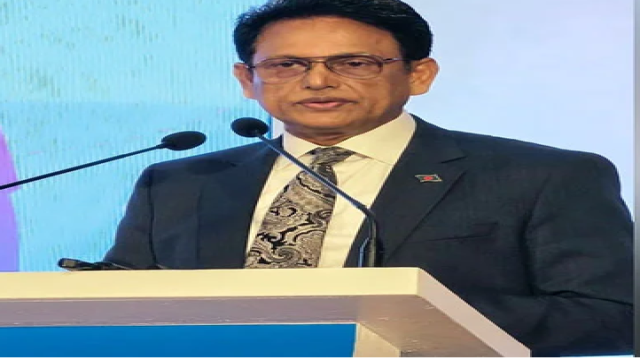
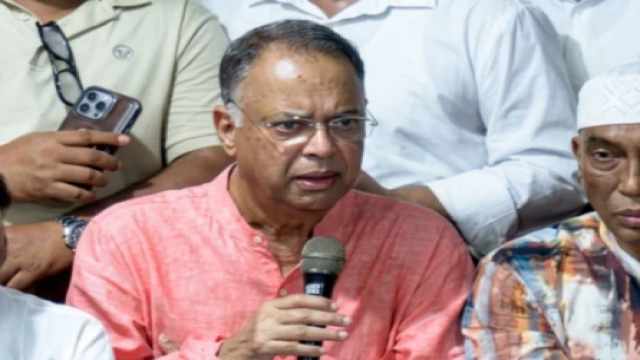
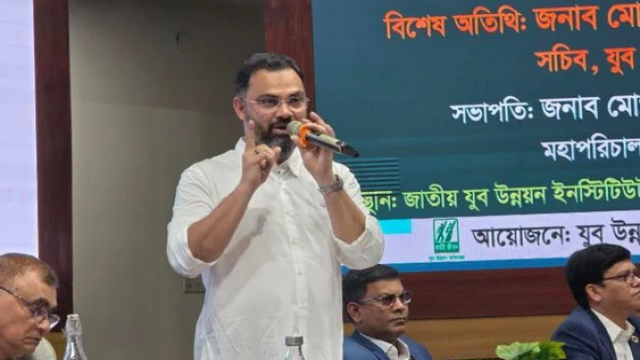
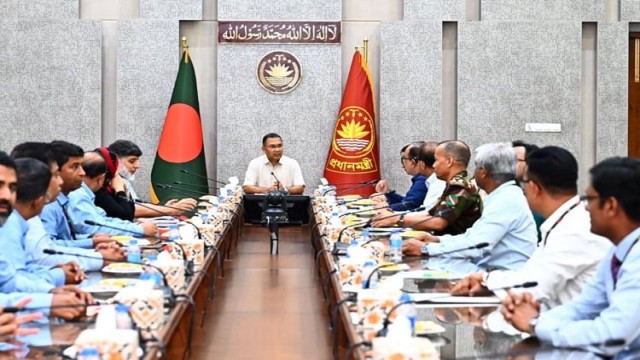
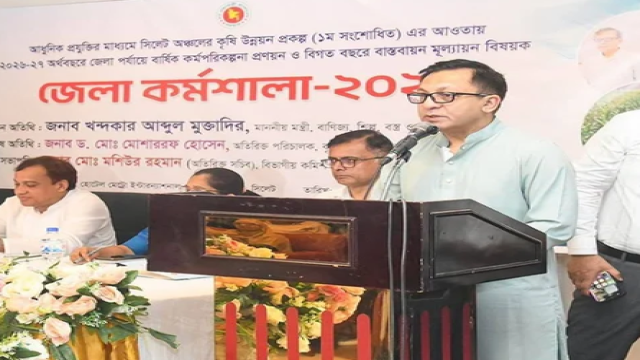
"Ensuring optimum use of agricultural land and increasing productivity and farmers' income should be among the major goals for the days ahead," he said while addressing a district-level workshop on formulating the annual work plan for fiscal year 2026-27 under the project titled "Agricultural Development of Sylhet Region through Modern Technology", organised by the Department of Agricultural Extension (DAE) at Hotel Metro in Sylhet.
The minister said a significant amount of fallow and single-crop land still remains in Sylhet region. Due to the geographical characteristics of the region, water remains stagnant in haor and low-lying areas during a certain period of the year.
"If arrangements can be made to drain water from these areas, a large amount of land can be brought under cultivation," he said. Similarly, ensuring irrigation facilities in lands that remain uncultivated during a particular period due to lack of irrigation could turn single-crop land into double-crop and double-crop land into triple-crop land.
He identified canal excavation as an effective solution for both draining stagnant water during the wet season and ensuring irrigation water during the dry season.
Referring to the successful cultivation of watermelon in Sylhet, the minister said it was an example of the potential of new and non-traditional agricultural products in the region. "Through early watermelon production, farmers in Sylhet are gaining a special advantage in the country's market," he said.
Muktadir suggested exploring the potential for beet cultivation in cold-prone areas, including Moulvibazar and Sreemangal. As beet can be produced within a short period, he said, farmers can also cultivate other crops on the same land. He called for pilot projects to assess the potential of such agricultural products.
The minister said an initiative would be taken to organise a special programme in Sylhet next week involving the Director General of DAE, the Agriculture Secretary and other relevant officials to discuss the future potential of agriculture and livestock in Sylhet division, area-based projects, farmers' training, supply of agricultural inputs and government support.
He said that alongside industrial and infrastructure development, a major part of employment and economic activities in rural areas depends on agriculture. "Therefore, we must ensure the optimum use of every piece of agricultural land and secure the highest possible production and return."
"If productivity can be increased, the country's overall food production could rise manifold," he said, adding that Bangladesh has the opportunity to become a stronger producer and exporter of food, particularly rice, in the future.
The minister further said farmers who take risks to cultivate new crops are showing the way towards new opportunities in agriculture. "Those who have taken risks in cultivating new crops such as watermelon and onion are courageous farmers. We have to take Sylhet's agriculture forward by following the path they have shown," he said.
He called for harnessing Sylhet's agricultural potential through farmers' training, expansion of modern technologies, supply of agricultural inputs and area-based planning.
Sylhet Divisional Commissioner Md Mashiur Rahman presided over the workshop. Additional Director of DAE Dr Md Mosharraf Hossain, Chairman of Sylhet Development Authority Rezaul Hasan Koyes Lodi, Sylhet Zila Parishad Administrator Abul Kaher Chowdhury Shamim, and Project Director Md Rakib Uddin, among others, attended the workshop. Agriculture officials from different levels, farmers and media representatives were also present.
END/AJ/RH/