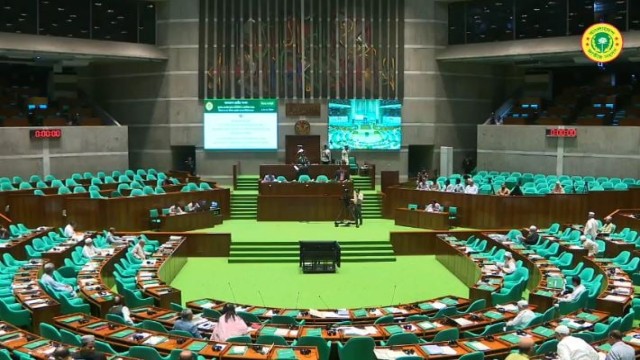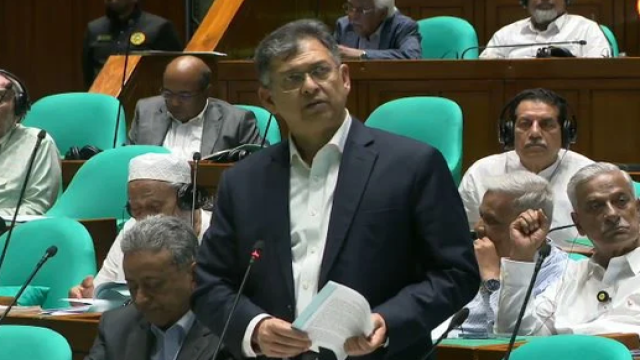
Sangsad Bhaban, Sept 10 (V7N) – Home Minister Salahuddin Ahmed today told Parliament that the 2009 BDR mutiny convicts must exhaust punitive actions handed down through judicial and administrative processes, but those who have already served their jail terms would be freed unless accused in any other cases .
Responding to a question by opposition lawmaker M Fazle Huda of Naogaon-3, he said the cases related to the BDR mutiny have by now been settled through due judicial process, and if any other cases remain pending against any of them, those would be dealt with through proper investigation and due legal process .
The home minister, however, said police were issued clear instructions that nobody would be subjected to harassment based on only his political identity or previous conviction . He said if any person faces illegal or politically motivated harassment, fake cases or any unjustified circumstances, authorities concerned would intensively verify the allegations and persons responsible would face necessary legal action .
The records suggest 17,306 BDR personnel who were found related to the mutiny but not involved in the massacre of officers were prosecuted under the then BDR law . A total of 823 BDR soldiers along with 23 civilians were tried in the civilian sessions courts, and of them:
-
150 paramilitary soldiers and 2 civilians were sentenced to death
-
160 were awarded life imprisonment
-
566 individuals were sentenced to different terms
The minister informed the House that murder case appeals involving 850 dismissed members are currently pending before the Appellate Division of the Supreme Court . Concurrently, trial proceedings against 834 accused under explosives cases are still underway in the lower courts .
The BDR mutiny occurred on February 25-26, 2009, at the Bangladesh Rifles (BDR) headquarters in Pilkhana, Dhaka, when border guards revolted against their officers, resulting in the deaths of 74 people, including 57 army officers. The mutiny was a significant challenge to the newly elected Awami League government and led to widespread unrest. Following the mutiny, the BDR was renamed as Border Guard Bangladesh (BGB) and underwent significant reforms.
The trial process has been lengthy, with thousands of BDR personnel facing prosecution under various laws. Human rights organizations have raised concerns about the fairness of the trials and the treatment of the accused, while the government has maintained that due legal process has been followed.