DHAKA, Nov 25, (V7N) — Food Minister Afroza Khanam today stressed the need for coordinated efforts by the food, agriculture, commerce and other concerned ministries and agencies to ensure safe food.
"To ensure safe food is not the responsibility of the food ministry alone. Agriculture, Commerce and other concerned ministries and agencies should work jointly with the food ministry for safe food," she said.
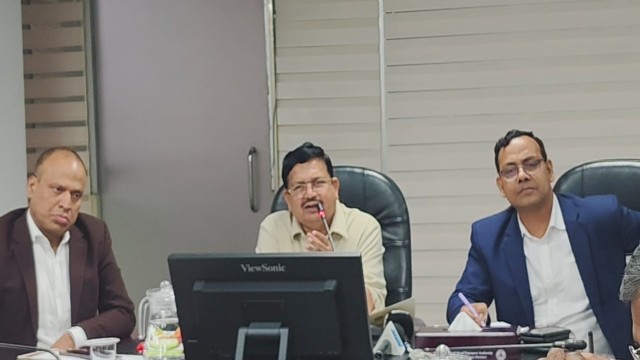
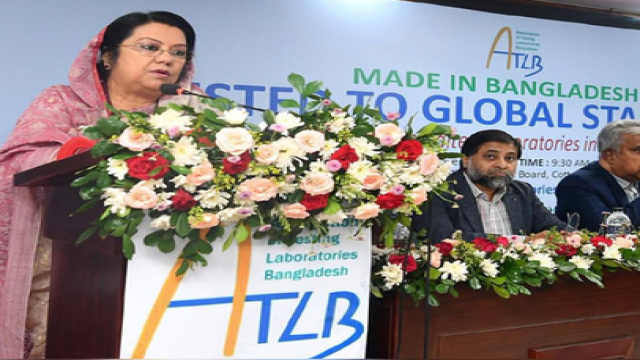
The minister made the remarks while addressing a seminar organised by the Association of Testing Laboratories Bangladesh (ATLB) at the Cotton Development Board conference room in Farmgate here.
"If food is not safe, health cannot be ensured, and if people are not healthy then businesses, economy and governance of the state cannot be sustainable," she said.
Afroza Khanam said Prime Minister Tarique Rahman has emphasised safe food for every citizen and the government is working to achieve this goal. Although the Bangladesh Food Safety Authority began its operations in 2013, the institution could not develop as expected due to various limitations; the present government has taken various initiatives to make the organisation capable and effective, she added.
She said that alongside ensuring the quality of export-oriented products, safe and quality food must be supplied to the local market. She particularly called upon traders and entrepreneurs to conduct their businesses with honesty, awareness and responsibility to ensure safe food for children.
The time required for product testing should be reduced, she said, adding that businesspeople face difficulties as file processing and decision-making often take a long time. A five-year action plan will be formulated through discussions with all relevant ministries and stakeholders to ensure food safety, she said.
She also said plans have been taken to establish three testing laboratories in Dhaka, Khulna and Chattogram with funding from JICA. The laboratory in Dhaka will be established in Ashulia, while the one in Chattogram will be set up in Halishahar. If the laboratories become fully operational within the next three years, dependence on other institutions for food testing will decrease and test results will be available more quickly, she added.
The Food Minister said the existing laboratories must be utilised to their full potential while their testing capabilities should be enhanced in line with the requirements of export markets, including testing for pesticide residues, chemical substances, heavy metals, mycotoxins and microorganisms.
Emphasising coordination among public and private laboratories, the Bangladesh Food Safety Authority, BSTI and organisations responsible for consumer rights protection, she said repeated testing of the same product by different institutions costs businesses both time and money. Discussions will be held with the relevant authorities to reduce such duplication and complexities and ensure coordinated services.
Highlighting the importance of honesty, accountability and ethics in ensuring food safety, she said influencing test reports in exchange for money or issuing certificates unethically is unacceptable. Effective enforcement of the law and strict provisions for penalties for offences are important to prevent food adulteration and irregularities, she said, adding that businesspeople must ensure food quality through their own conscience, ethics and sense of responsibility.
She said the government, private organisations, businesspeople, laboratories, experts and all relevant stakeholders must work together to ensure safe food, and that a safe food system can be established in the country through mutual cooperation, coordinated initiatives and effective planning.
Professor Noman Faruk Ahmed presented the keynote paper at the seminar. FBCCI Administrator Fazlul Haque and Bangladesh Food Safety Authority Chairman Shafiqul Islam spoke as special guests while Ahsan Habib was in the chair. Experts, academics, businesspeople, entrepreneurs, journalists and other stakeholders attended the seminar.
END/AJ/RH