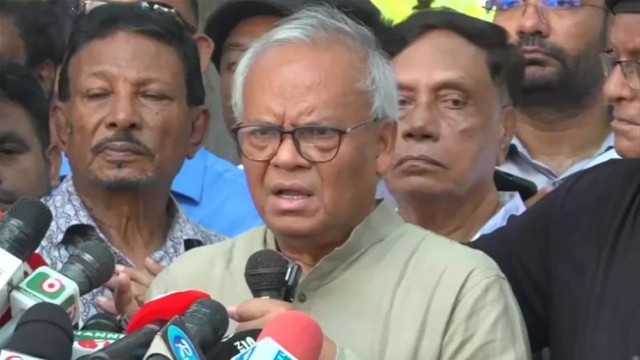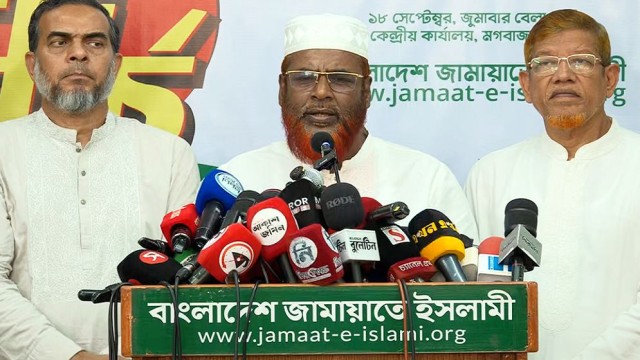
DHAKA, Mar 30 (V7N) — In a sharp legal warning, Advocate Shishir Monir, a member of the Central Working Council of Bangladesh Jamaat-e-Islami, stated on Monday that any attempt to cancel the constitutional referendum would leave the newly elected parliament vulnerable to significant legal challenges. Speaking to reporters at the High Court, Monir argued that the referendum, held alongside the February general election, cannot be automatically voided without undermining the legitimacy of the entire electoral process.
According to the Jamaat lawyer, the legal framework governing the Election Commission mandates that if a referendum conducted under an announced schedule is cancelled, the results of the corresponding general election may also face cancellation. This claim adds a new layer of tension to the ongoing parliamentary debate regarding the fate of several ordinances issued by the interim government, including those related to the referendum and the constitutional "July Charter."
Advocate Monir also expressed strong opposition to the potential repeal of approximately 20 key ordinances. These include foundational legal frameworks for the Missing Persons Commission, the Anti-Corruption Commission (ACC) Reform Commission, and the appointment processes for Supreme Court judges. He argued that these ordinances are essential for the reformist mandate that followed the 2024 uprising and should not be discarded by the current legislature.
Addressing the broader political climate, Monir noted that while the National Consensus Commission—formed by the interim government—reached an agreement on 30 core issues among various political parties, the Bangladesh Nationalist Party (BNP) appears reluctant to uphold those agreements. He emphasized that these issues were meant to be the bedrock of a new national charter designed to prevent a return to authoritarianism.
The controversy comes as a parliamentary special committee continues to review 133 ordinances issued during the interim period. While consensus has reportedly been reached on over 100 items, the remaining 20—specifically those touching on structural constitutional changes and referendums—remain a major flashpoint between the ruling BNP and the opposition Jamaat-led alliance. With a legal deadline looming in April, the outcome of this dispute could define the constitutional stability of the 13th National Assembly.
END/SMA/AJ