
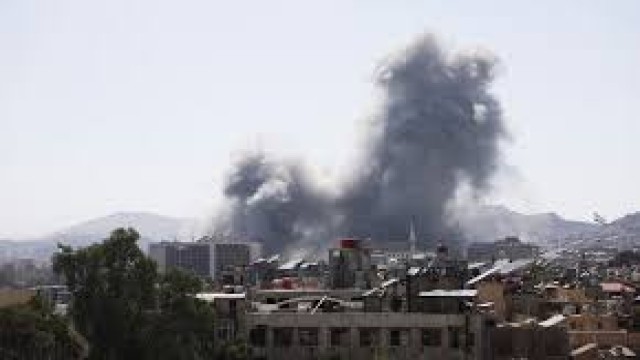
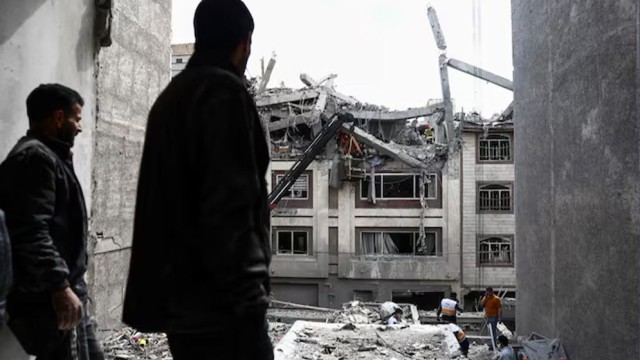
April 9 (V7N) – The fragile ceasefire between Iran and the United States entered its second day on Thursday, with tensions rising sharply as Tehran threatened to resume hostilities. This comes as Israel launched a major bombardment of Lebanon, marking the heaviest strikes since Hezbollah, the Iran-backed militant group, joined the war in March.
Both Washington and Tehran claimed victory after agreeing to a two-week ceasefire aimed at ending a war that has killed thousands across the Middle East and caused significant global economic upheaval. However, the deal’s fractures quickly emerged as Israel carried out heavy strikes, particularly in central Beirut, Lebanon’s capital.
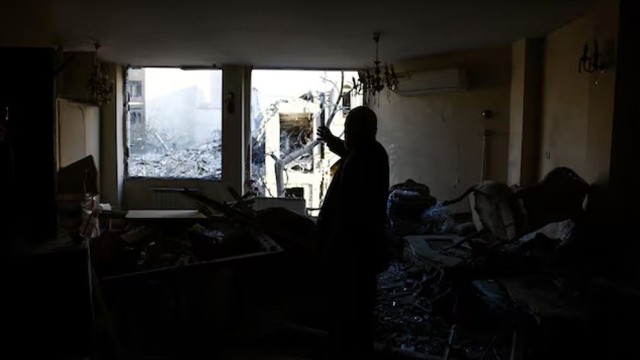
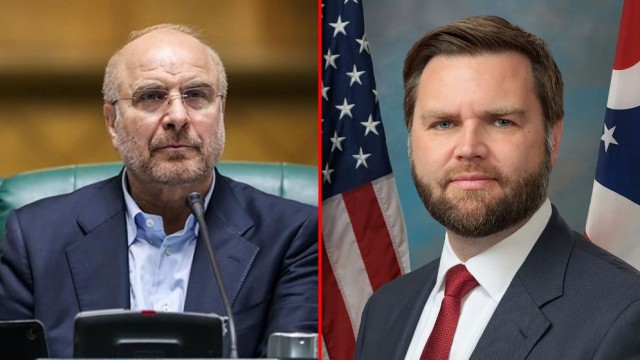
Israeli Strikes in Lebanon: At least 182 people were killed and nearly 900 wounded on Wednesday, according to the Lebanese Health Ministry. Israel defended its strikes as targeting Hezbollah, not part of the US-Iran truce, with US Vice President JD Vance echoing this stance, stating that Lebanon’s conflict was not covered by the ceasefire.
Iran’s Threat to Ceasefire: Iran’s parliament speaker, Mohammad Bagher Ghalibaf, warned that the ceasefire had already been violated, citing continued Israeli attacks, a drone entering Iranian airspace, and the US’s stance on Iran's uranium enrichment rights. Ghalibaf labeled the truce as "unreasonable" and demanded the cessation of Israeli attacks in Lebanon.
Escalating Military Rhetoric: Iranian Revolutionary Guards warned of a "response" if Israeli airstrikes did not cease, while Hezbollah maintained its "right" to retaliate. Israeli Prime Minister Netanyahu reaffirmed that Israel was prepared to confront Iran, with the military continuing its objectives, including "disarming" Hezbollah in Lebanon.
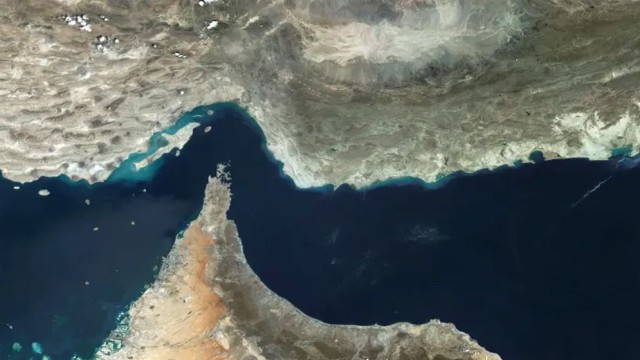
High-Stakes Talks in Pakistan: As tensions mount, US Vice President JD Vance is set to lead talks in Pakistan on Friday or Saturday, amid reports that Iran had temporarily reopened the Strait of Hormuz, a key global shipping route. However, it was later closed again, a move the White House called "completely unacceptable."
Iran’s Retaliation in the Gulf: Iranian state media reported missile and drone strikes against US-allied Gulf states in retaliation for airstrikes on Iranian oil facilities. The UAE, Saudi Arabia, Bahrain, and Kuwait all reported strikes since the ceasefire began.
Global Economic Impact: The ceasefire announcement led to a sharp decline in global oil prices by 15%, and European natural gas fell by 20%. This economic shift comes after weeks of turmoil due to the conflict.
UN and Red Cross Condemn Strikes: The UN and the International Committee of the Red Cross expressed outrage over the deadly Israeli strikes in Lebanon, calling the scale of destruction "horrific" and "devastating."
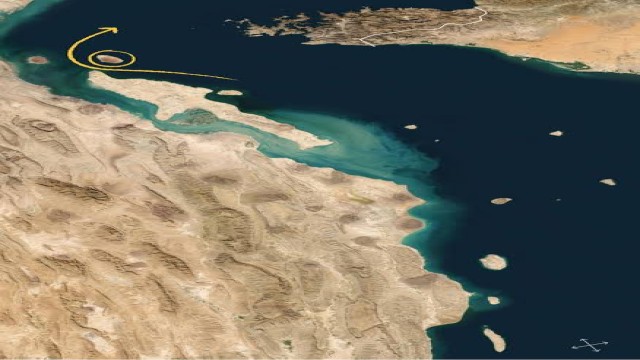
Iran announced alternative routes for ships navigating the Strait of Hormuz due to concerns about sea mines in the primary navigational zone. This comes after the United States and Iran agreed to a temporary reopening of the waterway under pressure from President Trump.
Pakistani Prime Minister Shehbaz Sharif, who mediated the ceasefire, urged all parties to exercise restraint and honor the truce to allow diplomacy to succeed.
Despite calls for peace from European nations, Canada, and the United Kingdom, as well as Pope Leo’s remarks on the ceasefire’s hopeful potential, Tehran’s demands regarding uranium enrichment, sanctions, and control over the Strait of Hormuz remain unresolved. The United States and Israel maintain that their military actions, including strikes on Iran’s nuclear infrastructure, were justified to degrade Iran's military capacity.
With diplomatic talks underway and military rhetoric intensifying, the likelihood of a sustained truce remains uncertain, as both sides hold firm to their positions.
END/WD/RH/






Comment: