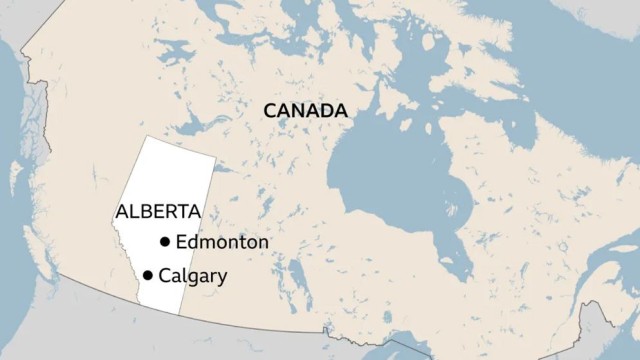
Alberta, May 24 (V7N) – The Canadian province of Alberta is set to hold a referendum in October on whether to remain part of Canada or begin the formal legal process toward secession, in what is being described as one of the most significant tests of national unity in decades.
Alberta Premier Daniel Smith made the announcement in a televised address on Thursday (May 21), confirming that voters will be asked to choose between remaining in Canada or initiating the constitutional process required for potential independence.
The vote will not be a direct “yes or no” decision on independence, but rather a two-option referendum that could trigger a legal pathway toward separation if approved.
In recent years, separatist sentiment has increased in the oil-rich province. More than 300,000 residents signed a citizen initiative calling for independence, although a court recently blocked the application, citing inadequate consultation with Indigenous First Nations communities.
A competing pro-Canada campaign, “Forever Canadians,” reportedly gathered more than 400,000 signatures in support of remaining within the federation, in a province with a population of about 5 million.
Separatist groups, including the “Alberta Prosperity Project,” argue that federal policies have constrained the province’s economic growth, particularly in the energy sector. Some supporters view independence as leverage in negotiations with Ottawa, while others advocate full separation, including potential alignment with the United States.
Premier Smith has expressed support for Canadian unity, acknowledging regional grievances but noting improved relations with the federal government. Canadian Prime Minister Mark Carney has urged Alberta to remain in Canada, while opposition Conservative leader Pierre Poilievre has also backed national unity.
Indigenous leaders have criticized the referendum process, calling it undemocratic in light of the court ruling.
Despite growing political debate, recent opinion polls suggest a majority of Albertans still prefer to remain part of Canada, with independence support estimated between 26 and 28 percent.
END/SMA/AJ