


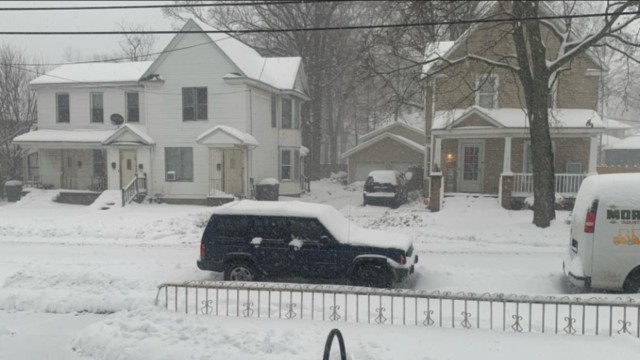
Michigan, Dec 01 (V7N) – A severe winter storm that began Friday night has escalated into one of the most disruptive snow events of the season across Michigan, significantly affecting transportation, schooling, power supply, and daily life. By Saturday morning, snowfall intensified, particularly in the northern parts of the state, causing widespread inconvenience and raising safety concerns for residents.
Meteorologists report that the storm has brought rapid and heavy snow accumulation combined with strong winds, creating hazardous road conditions and reduced visibility. The National Weather Service (NWS) has issued warnings for continued snowfall, icy roads, and potential drifting snow in multiple regions, emphasizing that the ongoing cold wave may persist for several days.
Transportation Challenges and Public Safety
Heavy snow has slowed traffic on highways, urban roads, and secondary streets. Commuters reported long delays, and several accidents were reported on slick and snow-covered roads. Local authorities issued emergency advisories urging residents to avoid non-essential travel.
Snowplow teams have been deployed across the state to clear major thoroughfares and emergency routes. However, strong winds continue to complicate efforts, causing drifting snow and making roads increasingly hazardous. The Michigan Department of Transportation (MDOT) has urged motorists to drive cautiously, equip vehicles with winter tires or chains, maintain extra distance, and keep emergency kits in cars.
Impact on Schools and Education
The snowstorm has led to delayed or canceled classes across several school districts, especially in northern Michigan. Some schools announced early closures on Friday as a precaution, while Saturday schedules were adjusted to account for unsafe travel conditions. School authorities emphasized the safety of students and staff as the primary consideration in making these decisions.
Power Outages and Utility Concerns
Heavy snowfall and ice accumulation have caused intermittent power outages in multiple areas, disrupting residential and commercial activities. Falling branches and ice-laden trees damaged power lines, affecting thousands of homes. Utility companies are actively restoring electricity, while emergency response teams remain on high alert to assist residents in need.
Officials urged residents to take precautions during outages, including avoiding contact with downed power lines, maintaining safe indoor temperatures, and keeping essential supplies on hand. Local authorities also reminded communities to check on vulnerable neighbors, including the elderly and disabled.
Expert Insights on Winter Safety
Weather experts have highlighted the storm’s intensity and the risks it poses. Dr. Karen Walters, a meteorologist at the Great Lakes Weather Center, said, “The combination of heavy snowfall, high winds, and freezing temperatures increases the risk of accidents, power outages, and hypothermia. Residents must limit travel, stay informed, and follow safety advisories closely.”
Emergency management officials echoed the warnings, advising communities to prepare for several days of challenging conditions. Shelters have been opened in some areas to assist residents affected by extreme cold or power interruptions.
Community Response and Volunteer Efforts
Local community groups and volunteers have mobilized to support residents during the storm. Efforts include assisting stranded motorists, delivering essential supplies to isolated households, and helping clear snow in critical areas. Coordination between community organizations, law enforcement, and emergency services has been critical in ensuring rapid response to incidents.
Long-Term Implications and Preparedness
The Michigan snowstorm serves as a stark reminder of the challenges posed by severe winter weather. Rapid accumulation of snow and ice can disrupt daily life, hinder emergency response, and impact infrastructure. Experts advise long-term preparedness, including stockpiling essential items, maintaining home heating systems, and having contingency plans for travel and power interruptions.
The storm also underscores the importance of timely weather forecasting and communication. NWS updates, official advisories from state and local authorities, and community support systems have proven essential in minimizing risks and safeguarding public safety.
Advice for Residents
Authorities recommend the following measures for residents during the ongoing storm:
Avoid non-essential travel and stay indoors whenever possible.
Keep emergency supplies, including food, water, medications, flashlights, and batteries.
Check on elderly and vulnerable neighbors.
Ensure heating systems are functioning safely and monitor indoor temperatures.
Follow official updates via radio, television, and social media for road conditions, closures, and weather warnings.
Conclusion
As Michigan continues to face heavy snowfall and persistent cold temperatures, the state’s residents, authorities, and emergency teams remain on high alert. Coordination between snow-clearing operations, utility companies, schools, and community volunteers is critical to mitigating the impact of the storm.
Experts warn that continued vigilance and preparedness are essential over the coming days. Residents are urged to follow all safety advisories and take necessary precautions to navigate the challenging weather conditions safely.
The Michigan snowstorm highlights the urgent need for resilient infrastructure, rapid emergency response systems, and community cooperation during extreme winter weather, setting an example for other states in anticipating and managing similar events.



























Comment: