


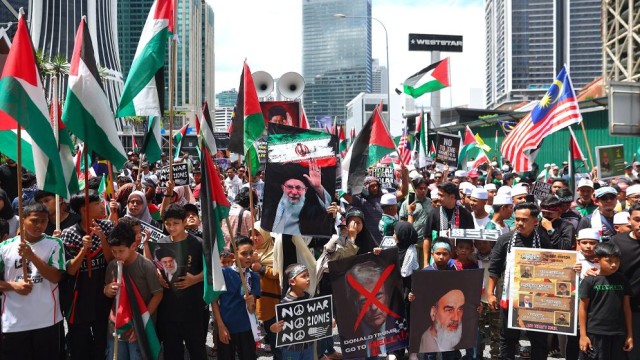
Washington, Mar 25 (V7N)- Iran believes its position in negotiations has strengthened following recent conflict with the United States and Israel, though analysts warn that reaching a comprehensive agreement remains highly challenging.
Despite claims by US President Donald Trump that “constructive talks” are underway, Iranian officials have dismissed such statements as a “false campaign” aimed at influencing global oil prices.
According to diplomatic sources cited by Al Jazeera, countries including Egypt, Turkey, and Pakistan have recently facilitated indirect communication between Washington and Tehran. However, experts remain skeptical about the likelihood of a ceasefire, noting that both sides maintain sharply differing positions.
Tensions escalated significantly following the reported assassination of Ali Khamenei in a joint US-Israeli strike on February 28. Since then, Tehran’s stance has reportedly hardened.
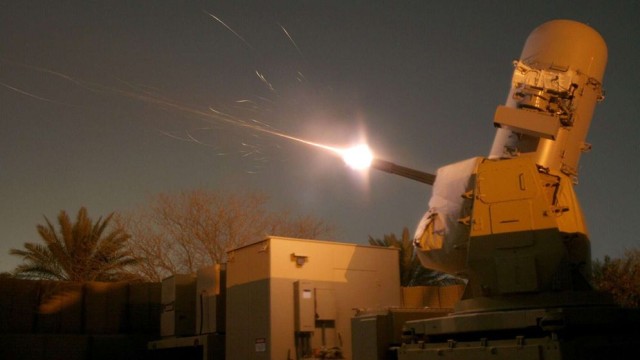
The US claims its strikes have severely weakened Iran’s military capabilities, with the Pentagon stating that nearly 90 percent of Iran’s missile capacity has been destroyed. However, Iran has continued to demonstrate its ability to conduct precision attacks.
The conflict has had major regional and global consequences. Shipping through the Strait of Hormuz—a route for roughly 20 percent of the world’s oil supply—has nearly come to a halt.
Iran has also reportedly targeted key infrastructure, including an attack on Qatar’s major gas facilities, damaging 17 percent of its export capacity. Meanwhile, following strikes on the Natanz nuclear site, Iranian missiles hit Israeli cities such as Arad and Dimona, injuring more than 180 people.
Analysts say Iran is now seeking more than just a ceasefire. Its demands reportedly include:
- Sanctions relief
- Financial compensation
- Guarantees against future attacks
- Revised rules for navigation in the Strait of Hormuz
Analyst Nigar Mortazavi noted that Tehran is focusing on securing long-term economic and security guarantees.
The United States continues to push for restrictions on Iran’s nuclear program. President Trump has reiterated that Iran must abandon its highly enriched uranium stockpile, though Tehran claims much of it has been destroyed in recent strikes.
While Washington had previously demanded a halt to Iran’s missile program and regional alliances, reports suggest a somewhat more flexible proposal is now under consideration.
However, a deep trust deficit remains a major barrier, especially after US strikes were carried out during ongoing negotiations.
Experts warn that both sides appear to be preparing for a prolonged conflict, with the United States increasing its military presence and Iran strengthening its strategic posture.
Despite ongoing diplomatic signals, there is no clear indication of de-escalation, raising concerns about continued instability in the region.
END/SMA/AJ















Comment: