



JERUSALEM, Mar 28 (V7N) – The Middle East conflict has entered a volatile new phase as Israel faces a mounting internal crisis within its military ranks, coinciding with the return of Yemen’s Houthi rebels to the battlefield. The warnings from Israel’s top brass suggest that the "True Promise" war, now in its second month, is pushing the Israel Defense Forces (IDF) to a systemic breaking point.
The "10 Warning Signs" of Military Collapse
In a briefing that has sent shockwaves through the Israeli Cabinet, Chief of Staff Lieutenant General Eyal Zamir warned that the IDF is facing an imminent "collapse" due to unprecedented mission pressure and a critical shortage of personnel.
-
The Fatigue Factor: Zamir highlighted the mental and physical deterioration of soldiers who have been deployed across three fronts—Gaza, Lebanon, and Iran—since the regional escalation began on February 28.
-
Manpower Shortage: The IDF reportedly lacks the necessary troops to sustain long-term high-intensity operations. Zamir presented ministers with 10 specific warning signs, ranging from plummeting reserve reenlistment rates to the breakdown of equipment maintenance schedules.
-
The Legislative Ultimatum: To prevent a total failure of the reserve system, the Army Chief has demanded three immediate legal reforms:
-
A compulsory military service law (aimed at conscripting previously exempt groups).
-
A reserve duty law to restructure service requirements.
-
A law extending the mandatory service period for current conscripts.
-
Houthi Re-entry: Ending the Five-Month Silence
Perhaps the most significant strategic shift occurred early Saturday morning with a missile launch from Yemen. This marks the first Houthi attack on Israel since the October 2025 Gaza ceasefire brought their maritime and missile campaign to a temporary halt.
-
Strategic Shift: For five months, the Houthis had maintained a "wait-and-see" approach. Their decision to fire at southern Israel today is viewed by regional analysts as a "major turning point," signaling that the Iran-aligned "Axis of Resistance" is fully mobilizing to support Tehran.
-
Red Sea Risks: The attack raises immediate concerns for the Bab al-Mandab Strait. With the Strait of Hormuz already effectively closed, a renewed Houthi campaign could completely sever the world's most vital energy and trade arteries.
Internal Discord Over Lebanon Strategy
As the IDF warns of fatigue, political pressure is mounting regarding the strategy on the northern border.
-
The "Permanent War" Fear: Many within the Israeli security establishment are questioning the long-term viability of the campaign against Hezbollah. Critics argue that without a clear diplomatic "exit ramp," the military is being bled dry in a war of attrition that it is no longer structurally equipped to win.
-
Mental Health Crisis: Reports from the IDF Medical Corps indicate a sharp rise in PTSD and operational exhaustion among frontline units, further complicating the government's plans for any potential ground expansion into southern Lebanon.
The U.S. Response
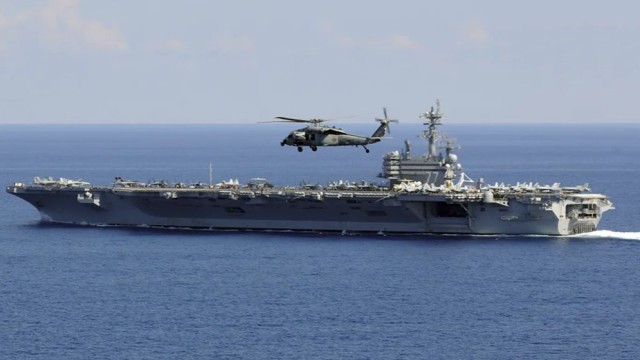
The arrival of the USS George H.W. Bush aircraft carrier this weekend is seen as a direct attempt by Washington to "plug the holes" in Israel's defense. However, while U.S. naval and air power can intercept missiles, it cannot solve the IDF's internal manpower and "fatigue" crisis, leaving the Netanyahu government in a precarious race against time to pass controversial conscription laws.
END/SMA/AJ

















Comment: