


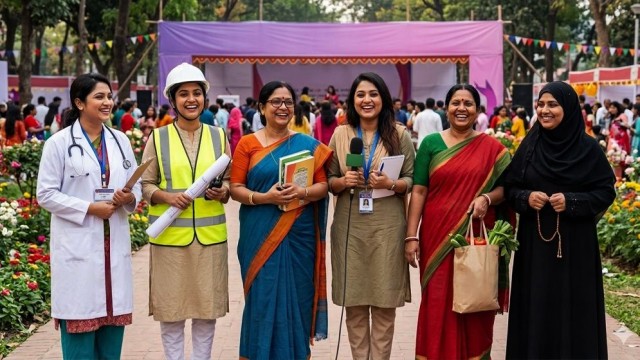
Dhaka, Mar 08 (V7N) – Today marks International Women’s Day, observed worldwide not only as a celebration but also as a moment for reflection, commitment, and renewed efforts toward gender equality. The 2026 theme, “Rights, Justice, Initiative for All Women,” highlights the urgent need to ensure that women everywhere can fully enjoy their fundamental rights.
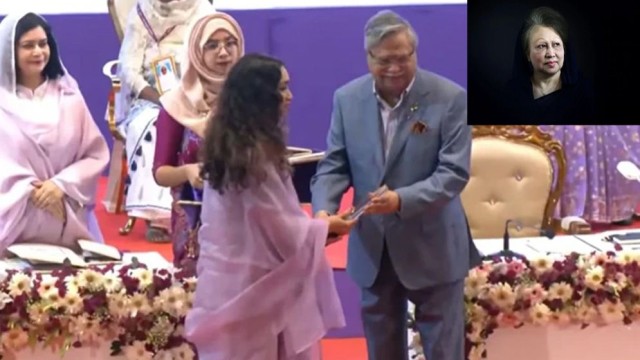
On the occasion, various government and private organizations have organized programs including discussion meetings, rallies, and award ceremonies. The Ministry of Women and Children Affairs, along with different NGOs and financial institutions, is hosting several initiatives across the country. As part of these events, the ‘Indomitable Women Award’ will be presented. In addition, former Prime Minister Begum Khaleda Zia is set to receive the ‘Best Indomitable Woman in the Advancement of Democracy’ award in recognition of her contribution to democratic progress.
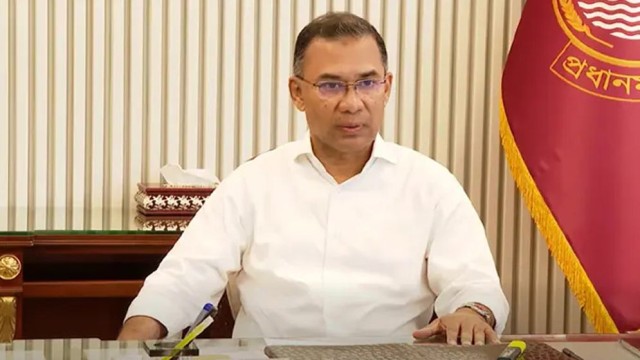
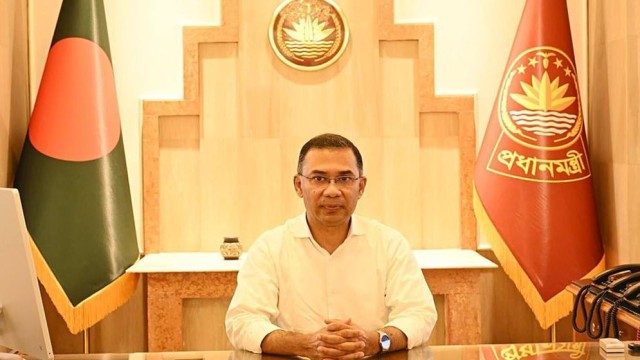
President Md. Shahabuddin and Prime Minister Tarique Rahman have issued separate messages marking the day, extending greetings and congratulations to women worldwide. In their messages, they emphasized the importance of collective efforts to ensure women’s rights and empowerment.
A Century-Old Movement
The history of International Women’s Day dates back more than a century. In 1908, women workers in the United States organized protests demanding shorter working hours, fair wages, and voting rights. Inspired by that movement, a proposal to celebrate an international day for women was raised at the International Socialist Women’s Conference in Copenhagen in 1910. The first celebrations took place in several countries in 1911.
The Meaning Behind This Year’s Theme
The theme for 2026 highlights three key principles—rights, justice, and initiative.
Rights go beyond legal recognition; they involve the real opportunity for women to enjoy education, healthcare, security, and freedom of expression. Without these, meaningful progress remains incomplete. In many parts of the world, women still face barriers in accessing education, receiving equal wages, or participating in decision-making.
Justice refers to effective protection against discrimination and violence. Issues such as domestic violence, sexual harassment, and child marriage are not merely social problems but violations of fundamental human rights. While laws are important, their effective implementation is essential to ensure swift and impartial justice.
Initiative means taking active steps to empower women. Identifying problems alone is not enough; it requires training, financial support, access to technology, and opportunities for leadership. Special initiatives are particularly necessary for rural and marginalized women so that the benefits of development reach every segment of society.
Bangladesh Context
In Bangladesh, the significance of Women’s Day carries special importance. Women have made remarkable contributions in various sectors, particularly in the ready-made garment industry, where millions of female workers are driving the country’s economic growth. Progress is also evident in education, microfinance participation, and women-led entrepreneurship.
However, challenges such as child marriage, workplace insecurity, and persistent social prejudice remain. Therefore, this year’s theme resonates strongly in the national context—initiatives cannot be sustainable without ensuring rights and justice.
International Women’s Day reminds us that the advancement of women is not only about women’s progress but also about the progress of society as a whole. Equal responsibilities within families, a non-discriminatory environment in workplaces, and women’s participation in decision-making make development more inclusive and dynamic.
It is worth noting that in 1975, the United Nations officially recognized March 8 as International Women’s Day and encouraged countries around the world to observe the day. Since then, it has been celebrated globally with dignity and renewed commitment to achieving gender equality.
END/SMA/AJ












Comment: