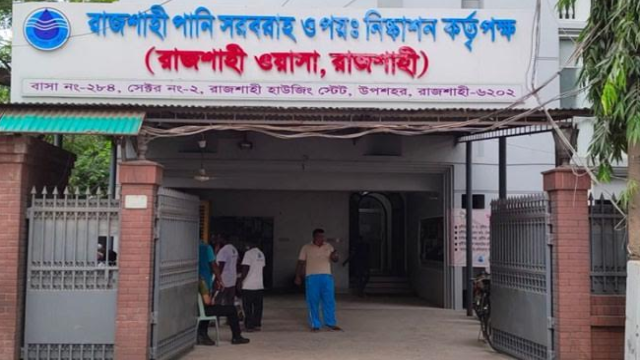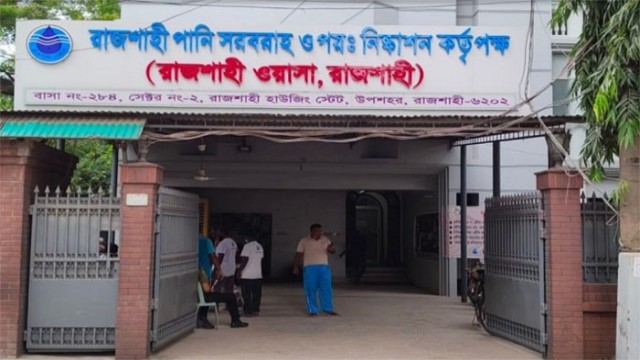
Rajshahi, Dec 07 (V7N) – Despite extensive automation upgrades aimed at improving water distribution in the metropolitan area, the Rajshahi Water Supply and Sewerage Authority (WASA) is facing growing concerns over operator absenteeism at pump stations. Although the pumps can now be fully controlled from the WASA headquarters, 153 operators—employed on a daily wage basis—continue to draw salaries despite reportedly being absent from their designated workplaces.
According to official sources, Rajshahi WASA operates 123 pump stations across the city. Two years ago, the agency spent Tk 40 million to install automated switch devices imported from Russia and India, enabling remote operation of pumps, including switching water supply systems on and off, monitoring water levels, and diagnosing mechanical faults without on-site presence. As a result, operators are no longer required to manually control the machinery.
However, field visits conducted on Wednesday and Thursday revealed that many pump stations remain locked throughout both shifts. Operators rarely stay at the stations, even though their monthly wages collectively cost WASA approximately Tk 2.5 million, amounting to Tk 30 million annually. Many operators acknowledged leaving their stations unattended, citing short breaks or personal errands, though they insisted they fulfill their duties.
Senior WASA officials admitted receiving complaints about operator absenteeism but clarified that operators were not retained to switch pumps manually. Instead, their primary role is to safeguard valuable equipment, including pump machines, panel boards, and other components vulnerable to theft. The agency has reported frequent cable thefts, further emphasizing the need for on-site personnel.
The city’s 30 wards each contain an average of three to four pump stations, staffed in two daily shifts from 6 a.m. to 8 p.m. A recent office directive issued on October 12 instructed operators to rotate shifts every 15 days, ensuring one operator per shift remains present. However, field inspections found that operators were absent at multiple stations, including those in Shoto Bongram Park and BSCIC Industrial Area—both locked and unattended during working hours.
Operators contacted by phone claimed they were away briefly for lunch or minor tasks. Nevertheless, WASA officials expressed concern that critical equipment remains unguarded, undermining both operational security and accountability.
Rajshahi WASA Chief Engineer Parvez Mamud stated that operators are necessary as a precautionary measure in case automation systems fail. He emphasized that operators must remain present at pump stations for equipment protection and manual backup operations. He added that a list is being prepared to identify those repeatedly absent, and disciplinary action will follow.
Deputy Managing Director Towhidur Rahman confirmed that executive engineers have been instructed to enforce strict attendance policies. Beginning next week, WASA will conduct surprise inspections at all pump stations. Operators found absent during duty hours will face wage deductions and further administrative measures.
As automation continues to modernize water supply systems in Rajshahi, the agency faces urgent pressure to balance technological efficiency with operational oversight, ensuring public funds are utilized effectively and critical infrastructure remains secure.
END/MRA/SMA/