


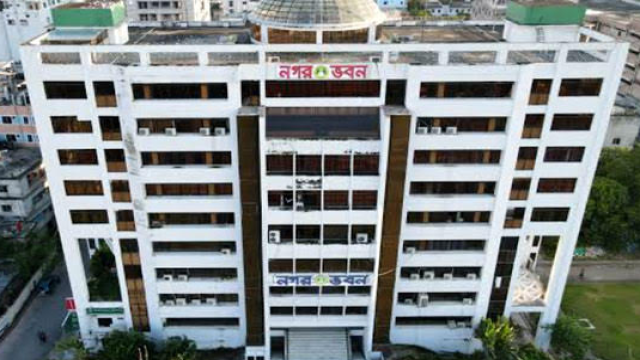
RAJSHAHI, February 25, (V7N) — Despite a significant rise in the number of residential and commercial properties, the Rajshahi City Corporation (RCC) is facing a severe financial crisis as holding tax collection rates plummeted to just 27.31% in the 2024-25 fiscal year. This marks the lowest collection rate among Bangladesh’s four major city corporations, lagging far behind Dhaka, Chattogram, and Khulna, where collection rates average around 60%.
The RCC’s latest annual financial report reveals a stark disparity between growth and revenue. While 12,000 new holdings were added last year—bringing the total to 82,000—the revenue department managed to collect only 22.59 crore BDT against a target of 82.73 crore BDT. Even more concerning is the mountain of outstanding taxes, which has surged to a staggering 457.4 crore BDT, with less than 5% of these arrears recovered in the last cycle.
The administrative collapse following the political transition on August 5, 2024, is cited as the primary cause for this stagnation. The removal of the Mayor and all ward councilors led to a breakdown in grassroots supervision. While government-appointed administrators have taken over, the absence of elected representatives has left tax collection efforts paralyzed. In some wards, collection rates have dropped to a dismal 10%, while others have reported zero revenue.
This revenue shortfall has forced the RCC to implement drastic cost-cutting measures. To stabilize the budget, 16 service sectors operating outside the approved framework were shut down, resulting in 550 daily-wage employees losing their jobs. Vital public services, including health check-ups for the elderly, urban market supervision, and market monitoring programs, have remained suspended since August 2024 due to manpower shortages and funding gaps.
An interim 19-member committee is currently managing the city’s affairs and has proposed a budget of 806.36 crore BDT for the 2025-26 fiscal year. However, officials warn that implementing this budget will be nearly impossible without a robust increase in internal revenue, government grants, and project-based funding. The lack of a functioning elected council continues to hinder law enforcement and long-term urban planning.
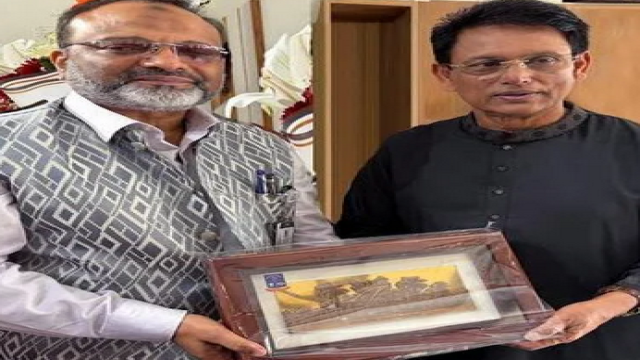
Abu Saleh Md. Noor-e-Sayed, Chief Revenue Officer of the RCC, acknowledged the worrying trend but pointed to the damage sustained during the July-August protests as a major hurdle. "Many assessment documents were destroyed or lost when city buildings were damaged, which significantly hampered our collection efforts," he explained. He added that the administration is now working to modernize and update the digital database to streamline revenue collection and restore the city’s financial health.
END/RAR/RH/









Comment: