


Dhaka, Jan 11 (V7N) — The Bangladesh Nationalist Party (BNP) is planning to highlight a new economic vision in its upcoming 13th National Parliament election manifesto, centering on what it calls a ‘Creative Economy’. The initiative aims to give prominence to new forms of work, technology-driven ventures, startups, freelancing, and small entrepreneurs, alongside traditional industries.
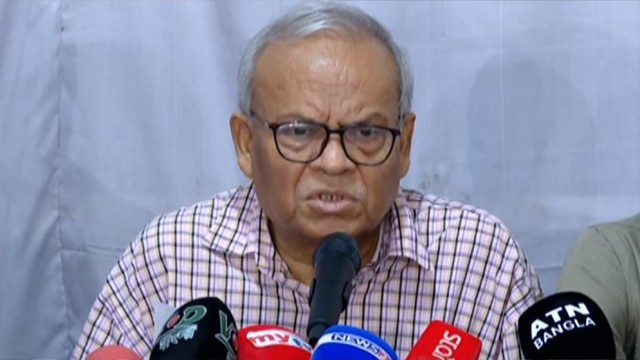
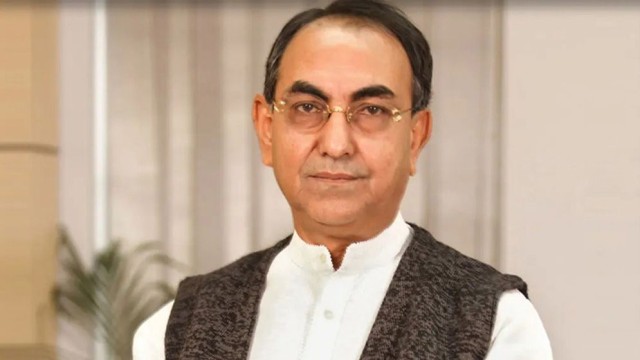
According to Amir Khasru Mahmud Chowdhury, Standing Committee member of BNP, the party intends to involve every sector of the economy in contributing to the national GDP, ensuring inclusive growth. “This approach, which we call the Creative Economy, will also be part of our manifesto,” he said.
The party also plans significant financial reforms, including the abolition of the government’s financial institutions department and creating mechanisms to raise funds for large projects from the capital market, reducing additional pressure on banks. Additionally, BNP proposes strengthening digital surveillance services to control the prices of essential commodities in the market and curb syndicate power.
BNP’s economic perspective draws from its earlier tenure in power following the 1991 fifth national election, when it opened private sectors, facilitated foreign investment, and simplified import-export policies, resulting in GDP growth of 4–5 percent. However, political instability and governance issues repeatedly slowed economic momentum.
Highlighting current challenges, Chowdhury noted, “Defaulted loans are rising, people’s trust in the capital market remains low, and syndicates still dominate several markets. Technology can be the key to reducing intermediaries, from farmers to buyers, and to ensure fair pricing.”
BNP’s vision also emphasizes supporting innovative startups, technology-based professionals, and SME entrepreneurs, providing them with better access to capital. The party underlines that Bangladesh Bank will act as the primary watchdog of the economy, ensuring proper supervision and maintaining financial discipline.
The BNP leadership argues that these reforms will revive a market-oriented economy while broadening participation to smaller economic actors, signaling a significant shift in the party’s economic strategy for a new Bangladesh.
END/SMA/AJ







Comment: