


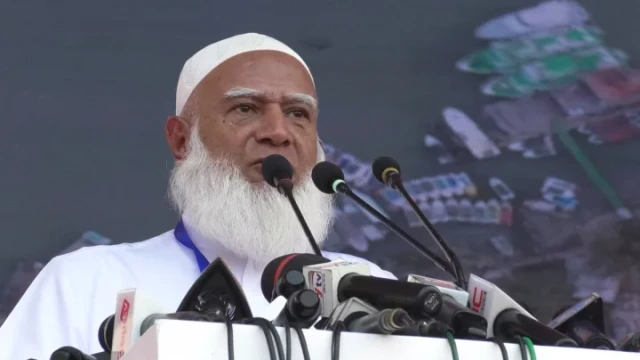
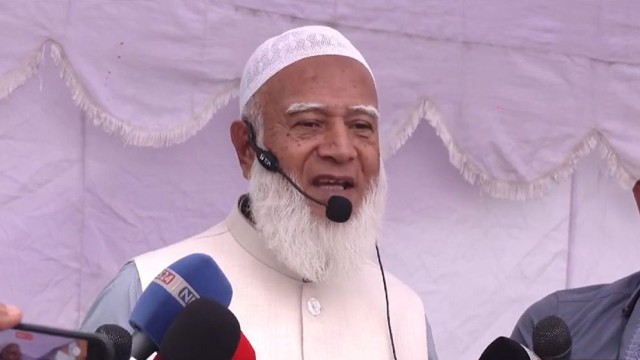
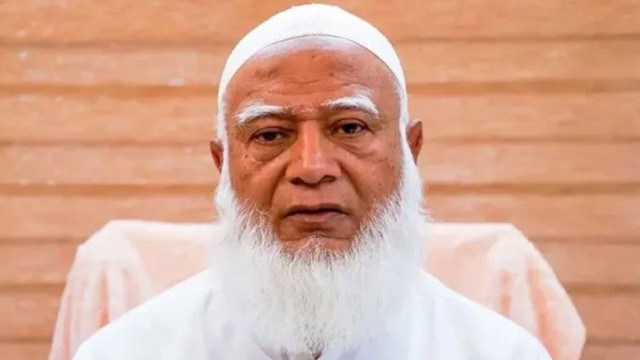
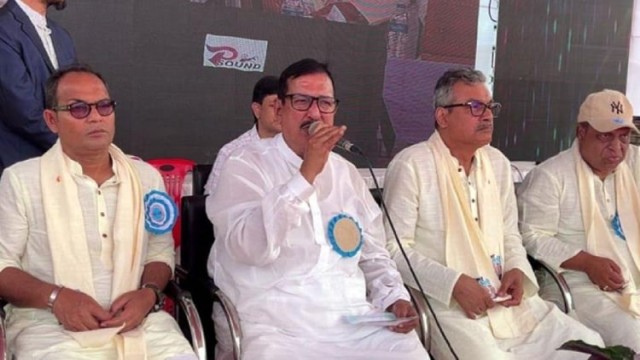
Feb 06 (V7N) - Political activity across Bangladesh reached a fever pitch on Friday as major alliances held massive rallies ahead of the February 12 national elections. In Pirojpur, Jamaat-e-Islami Ameer Dr. Shafiqur Rahman addressed thousands, pledging to recover nearly 2.8 trillion taka allegedly siphoned abroad over the last decade. He described the upcoming vote as a historic opportunity to honor the "martyrs of the July Revolution" and build a nation grounded in justice, specifically vowing to ensure legal accountability for the killing of figures like Inqilab Mancha spokesperson Sharif Osman Hadi.
The electoral landscape is dominated by a clear divide between the BNP-led coalition and an 11-party alliance featuring Jamaat-e-Islami and the National Citizen Party (NCP). In his address, Dr. Rahman urged voters to choose "freedom over slavery," framing the election as a definitive break from the politics of the past. To symbolize the alliance’s unity, he formally handed over the "Daripalla" (scale) and "Shapla-koli" symbols to local candidates, including the sons of the late Maulana Delwar Hossain Sayeedi, signaling a powerful challenge in the southern constituencies.
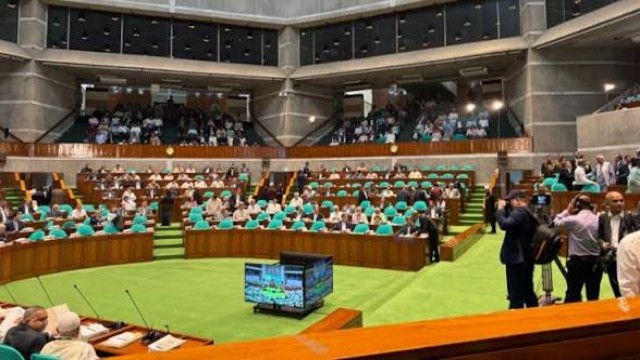
In the capital, the anniversary of the student wing Islami Chhatra Shibir turned into a major political demonstration. Thousands of activists marched from the Central Shaheed Minar to Shahbag, demanding justice for slain students and urging a "Yes" vote in the concurrent national referendum. The referendum, which focuses on the "July National Charter 2025," proposes systemic constitutional reforms including a bicameral parliament and executive term limits, serving as a critical test for the interim government’s reform agenda.
Other political forces are also intensifying their outreach to consolidate grassroots support. In Barguna, Mufti Syed Muhammad Rezaul Karim of Islami Andolan Bangladesh (IAB) highlighted his party’s efforts in maintaining communal harmony following the 2024 unrest. He assured minority communities—including Hindus, Christians, and Buddhists—of their continued safety under his leadership. Meanwhile, in Narsingdi, Jamaat-e-Islami’s women’s wing held a historic march, emphasizing the party’s commitment to female empowerment and workplace security.
The interim administration, led by Chief Adviser Dr. Muhammad Yunus, has taken unprecedented steps to ensure transparency. A newly approved Telecommunication Ordinance now legally prohibits internet shutdowns during the election period, guaranteeing citizens' right to information. This move aims to prevent the digital blackouts that characterized previous cycles, as the government seeks to regain international trust through a fair and inclusive electoral process.
As the 48-hour pre-election silence approaches, nearly 128 million voters are preparing to cast their ballots at over 42,000 polling stations nationwide. With international observers arriving in Dhaka, the stakes for Bangladesh’s democratic transition have never been higher. The result will not only determine the next government but also validate the fundamental structural changes proposed in the July National Charter.
END/AIJ/RH/







Comment: