


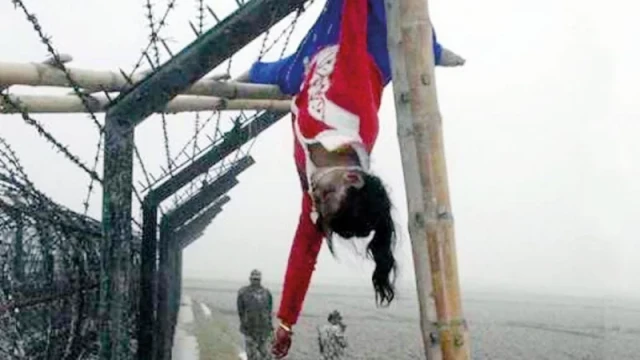
Kurigram, Jan 07 (V7N) — Fifteen years have passed since the tragic killing of Felani Khatun, a teenage girl from Kurigram, who was shot by Indian Border Security Force (BSF) personnel while illegally crossing back into Bangladesh in search of work. Despite years of appeals and legal proceedings, her family continues to await justice.
Speaking through tears, Felani’s mother, Jahanara Begum, said, “The government has given many promises over the last 15 years, but our torn lives remain as they were. No government has provided us support except a job for my middle son in the Border Guard Bangladesh. I hope whichever government comes next ensures justice for Felani and takes responsibility for our family.”
On January 7, 2011, Felani was returning home with her father via sub-pillar 3 of international pillar 947 in Fulbari, Uttar Anantapur, Kurigram, when BSF personnel from the Chowdhurihat camp opened fire, killing her. The horrifying image of her lifeless body caught in the barbed wire left the nation in shock.
Despite numerous discussions between Bangladesh and India, and several appeals to human rights organizations domestically and internationally, justice has yet to be served. Felani’s family continues to live in hardship, struggling to support their children. Her father, Nurul Islam, explained that one son works as a mason while another studies in college, as financial support promised by previous governments never fully materialized.
Legal proceedings began in 2013 at the General Security Forces Court in West Bengal’s Cooch Behar district. On September 5, 2013, the accused BSF member, Amiya Ghosh, was acquitted. Felani’s father rejected the verdict and petitioned the Indian government through the High Commission, but subsequent appeals and hearings were repeatedly delayed. Efforts by India’s National Human Rights Commission to provide compensation were met with deflection, and hearings scheduled as recently as March 2020 remain unresolved.
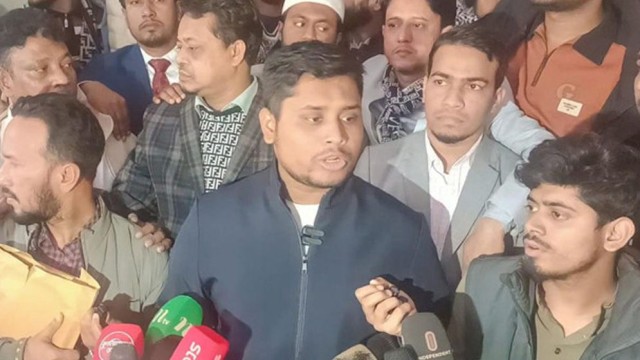
Local journalist and human rights activist Ataur Rahman Biplob said, “Felani’s killing is more than a border incident; it tests justice, humanity, and state accountability. Failure to prosecute a child’s murder after 15 years sends a dangerous message to society.”
Fakhrul Islam, president of the Kurigram District Lawyers Association, added, “This was a premeditated murder. Under Section 302 of the penal code, also applicable in India, the maximum punishment is death. If the Indian government had acted earnestly, Amiya Ghosh would have been sentenced long ago, and justice would have been served.”
Despite commemorative initiatives, including renaming a road in Dhaka from Gulshan-2 to Pragati Sarani as ‘Felani Road’ in December 2024, Felani’s family remains uncompensated and awaits accountability. The barbed wire at the border continues to symbolize the stalled pursuit of justice for the slain teenager.
END/TGR/SMA/








Comment: