Dhaka, May 17 (V7N) — Electricity prices in Bangladesh are likely to increase from June as the Bangladesh Energy Regulatory Commission moves toward finalizing new tariff rates following a series of public hearings scheduled this week.
Officials said the revised prices will be determined in May after reviewing proposals submitted by power sector entities. If approved, the new rates will take effect from June, raising concerns among consumers already struggling with rising living costs.
The proposed increase—reportedly up to 29 percent in a single adjustment—has been submitted by the Bangladesh Power Development Board and related transmission and distribution companies. The commission will assess wholesale, retail, and transmission cost adjustments during hearings on Wednesday and Thursday.
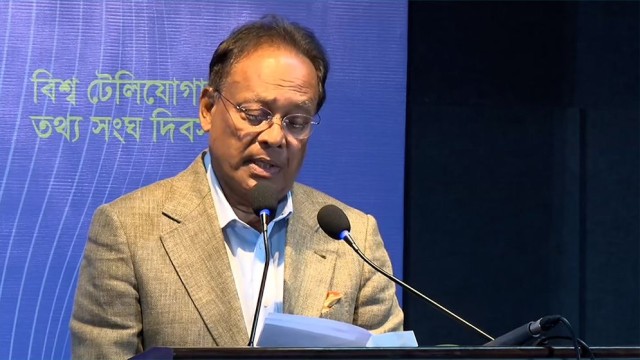
Energy Regulatory Commission Chairman Jalal Ahmed said the final decision will be made based on stakeholder feedback from the hearings, with the aim of quickly concluding the tariff review process.
Public concern has intensified as households face simultaneous increases in fuel oil and LPG prices, which have already pushed up transport and daily commodity costs. Economists warn that a further rise in electricity tariffs could deepen inflationary pressure and affect both household budgets and overall economic stability.
Experts from the Centre for Policy Dialogue (CPD) said the adjustment would likely increase financial stress on consumers while also contributing to broader price escalation across the economy. They also noted that government subsidies may not be sufficient to absorb rising sector losses.
According to official estimates, the power sector incurred losses of around Tk 2,638 crore in the last fiscal year. Without a tariff revision, the deficit could exceed Tk 3,800 crore in 2026, authorities said.
At the consumer level, the proposed revision includes a major change in subsidy coverage. The government has suggested limiting the “lifeline” tariff—previously applicable up to 200 units of electricity—to users consuming only up to 75 units. If implemented, millions of lower and lower-middle-income households could lose access to subsidized rates and face higher monthly bills.
Consumers and analysts alike warn that such changes, combined with rising inflation, may further strain fixed-income and working-class families already under financial pressure.
END/SMA/AJ