Cox’s Bazar, Apr 28 (V7N) — Fishermen in Teknaf are living in fear following repeated abductions allegedly carried out by the Arakan Army along the border with Rakhine State.
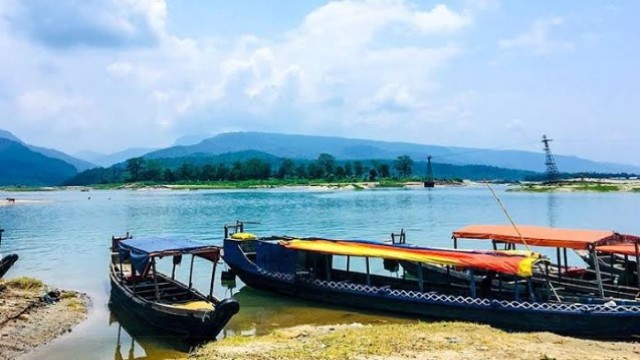
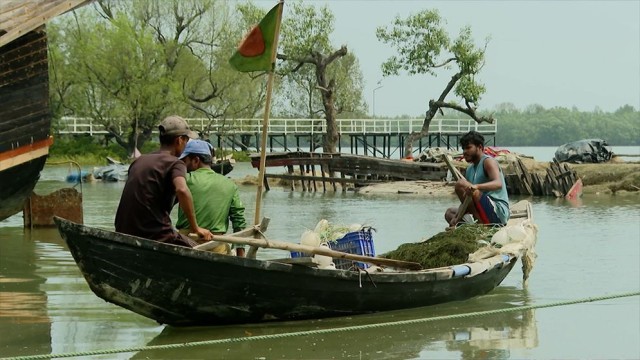
Separated by the Naf River, the coastal communities of Teknaf depend heavily on fishing in the river estuary and the southern waters near St. Martin's Island for their livelihood. However, the recent surge in kidnappings has forced many fishermen to abandon their work.
Local sources claim that more than 322 fishermen have been abducted over the past nine months alone. Although around 300 have reportedly been released, over a hundred are still believed to be held captive inside Myanmar. Over the past two years, the total number of abductions is estimated to exceed 500.
Fishermen who returned described severe mistreatment during captivity, alleging physical abuse, forced labor, and lack of adequate food. Many also claim they were taken despite remaining within Bangladesh’s territorial waters.
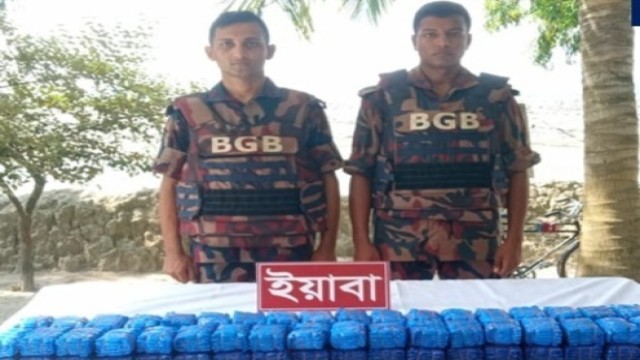
According to local fishermen, members of the Border Guard Bangladesh and the Bangladesh Coast Guard have repeatedly warned them not to approach the border areas. However, they say economic pressure often pushes them toward riskier fishing zones.
Reports indicate that fishermen operating near the Naf River estuary or adjacent sea areas are often intercepted by armed groups using speedboats and taken across the border into Myanmar.
Despite regular patrols by the Coast Guard and increased intelligence surveillance, such incidents continue. Authorities acknowledge that some fishermen cross into Myanmar waters in search of better catches, increasing their vulnerability.
Shaheen Alam, Station Commander in Teknaf, said that coordination is ongoing with relevant ministries and agencies to secure the release of detained fishermen. “When fishermen cross into Myanmar waters, they are often detained by the Arakan Army. We are working to bring them back quickly through official channels,” he said.
Meanwhile, awareness campaigns are being conducted to warn fishermen about high-risk zones. Leaflets are being distributed, and seminars are being organized at district and upazila levels to discourage crossing the maritime boundary.
The ongoing situation has created deep uncertainty among coastal communities, raising concerns about both livelihood security and safety in the border region.
END/SMA/AJ