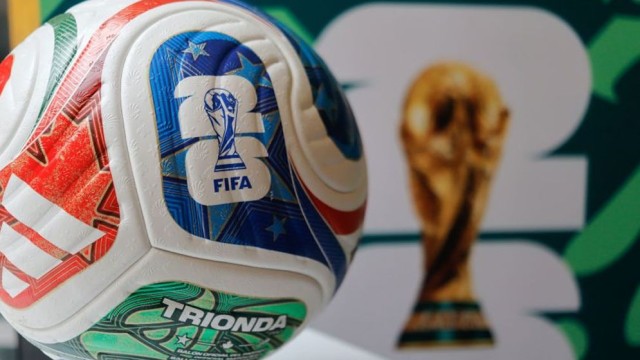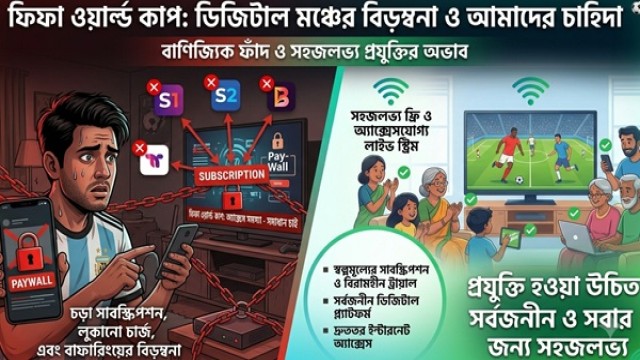
DHAKA, June 13, (V7N) – During the opening match of the 2026 FIFA World Cup, widespread complaints emerged on social media that numerous viewers in Bangladesh were unable to watch the game due to technical issues with popular streaming platforms Toffee and Bioscope. Many football fans faced server issues, buffering, login difficulties, and broadcast interruptions at crucial moments of the match, turning technology meant to bring the game to people into a hindrance.
The broadcast rights for the World Cup are currently concentrated in the hands of a few specific companies and digital platforms, forcing viewers to rely on particular apps, specific internet services, or different commercial terms. In the event of technical failures, viewers are often left with few alternative options, and many turn to illegal streaming sites, which not only violate copyright but also increase cybersecurity risks.
The World Cup is not just a sporting event but an occasion of emotion, excitement, and togetherness for billions around the world. However, even in this age of technology, viewers face various commercial constraints and technical challenges while enjoying global events. The very technology that should make entertainment accessible instead becomes a barrier when broadcasting systems become overly commercialized.
Experts say that for global events like the World Cup, broadcasters should ensure adequate technical capabilities and provide reliable services to viewers. At the same time, regulatory bodies need to formulate policies so that the general public can enjoy important sporting events easily and affordably.
The FIFA World Cup is a global passion, and the right to watch the game should not be held hostage to technical failures or excessive commercial barriers. Only by making technology more powerful, inclusive, and accessible can broadcasters meet the expectations of millions of viewers who want to enjoy world-class sporting events without interruption.
END/ANT/RH/