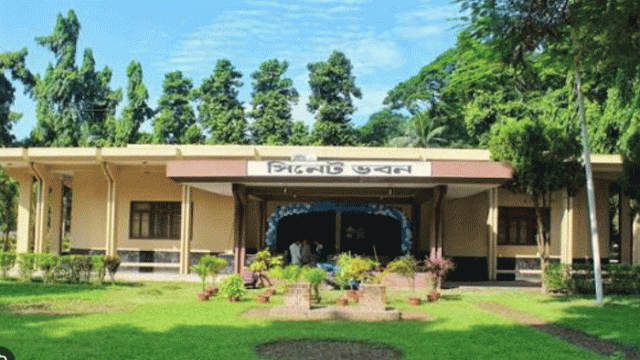
RAJSHAHI, July 31 (V7N) — Rajshahi University's highest policymaking body, the Senate, has remained inactive for nearly a decade despite a legal requirement to convene at least one meeting each year, raising concerns over governance, transparency, and institutional accountability.
Under the Rajshahi University Ordinance of 1973, the vice-chancellor is required to convene a Senate session annually. However, the university has not held a Senate meeting since its 22nd session on May 19, 2016.
The Senate had previously remained inactive for 14 consecutive years after 2001 before meeting once in 2015. Since the 2016 session, no further meetings have been held.
The 105-member Senate is responsible for key institutional decisions, including electing the vice-chancellor, approving the university's budget, amending regulations, and authorising the establishment of new departments and institutes. Its prolonged inactivity has prompted questions over how these decisions are being made and whether adequate transparency and accountability are being maintained.
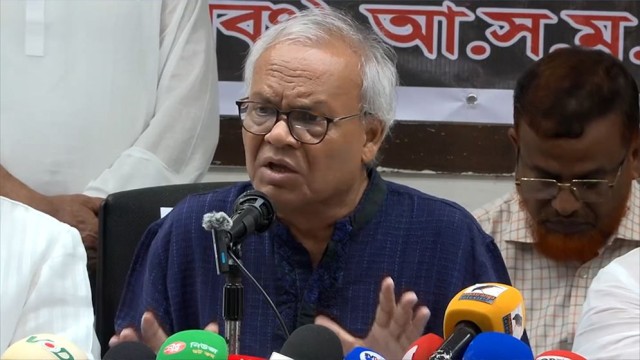
Professor Amirul Islam, General Secretary of the Nationalist Teachers' Forum, said decisions made through the Senate ensure greater transparency and accountability, adding that alternative administrative arrangements cannot fully replace the Senate's role.
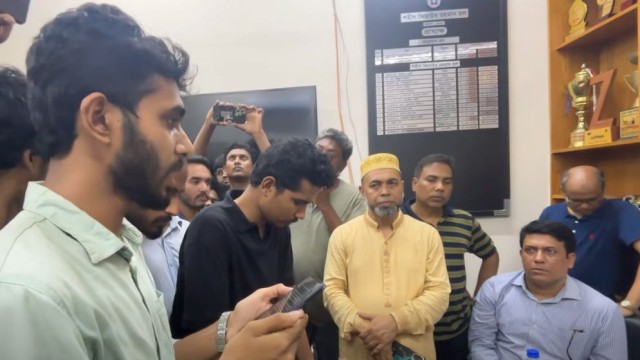
Student Senate representative Fahim Reza alleged that despite repeated demands, the university administration has offered only assurances. He warned that students would launch protests if prompt action is not taken to reactivate the Senate.
Professor Mostafa Kamal Akand of the Department of Anthropology said there are no legal obstacles to restoring Senate activities and argued that the process depends primarily on the administration's willingness to act.
Raksu General Secretary and Senate member Salahuddin Ammar said that completing the election of registered graduate representatives would pave the way for reconstituting the Senate, adding that the responsibility lies with the university administration.
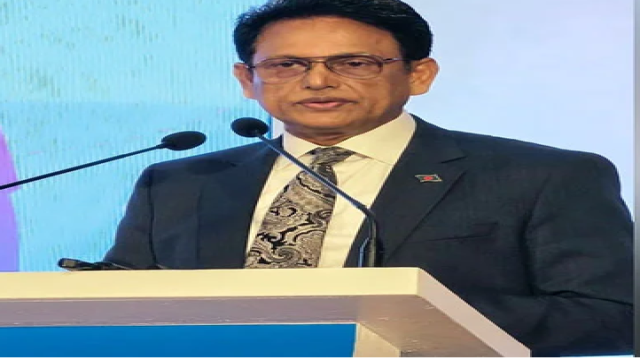
Vice-Chancellor Professor Faridul Islam said the current administration considers the revival of the Senate a priority and that preparations are underway to resume its activities.
Former Vice-Chancellor Professor Saleh Hasan Naqib, however, said his administration served for only one and a half years and argued that it should not bear sole responsibility for the prolonged inactivity.
Observers say the continued suspension of the university's highest governing body has renewed concerns over institutional governance and accountability, stressing that the Senate should be reconstituted and regular sessions resumed without further delay.
END/MRA/SMA/