


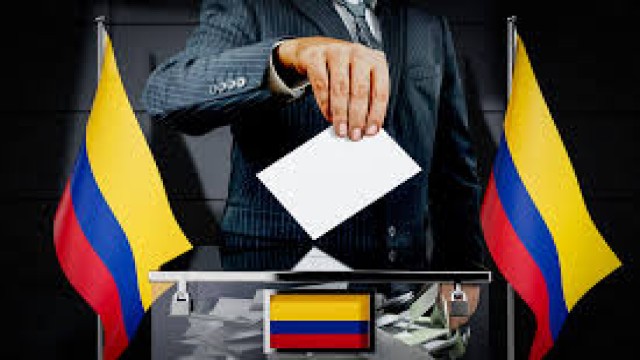
BOGOTA, March 5, (V7N) – Colombia’s ex-FARC fighters turned politicians are confronting a crucial test in Sunday’s legislative elections, as the special congressional seats guaranteed under the 2016 peace deal expire.
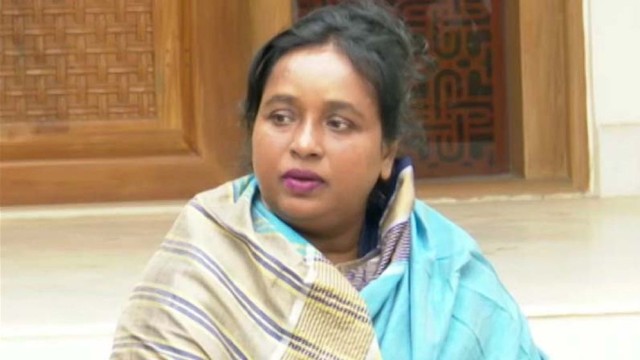
Sandra Ramirez, 63, formerly known as Griselda Lobo or “Wolf,” once a left-wing guerrilla leader and partner of FARC founder Manuel “Sure Shot” Marulanda, is now campaigning in Bogota, waving flags, giving speeches, and asking voters for their support. Since 2018, she has served as a senator—but her position was assigned, not won through the ballot.
The Comunes party, representing former combatants, was granted 10 seats in the Senate and Congress to integrate ex-fighters into Colombia’s political system following the peace accord, which demobilized approximately 13,000 fighters and collaborators. While some dissident factions continue armed activity, the deal aimed to transform Colombia by bringing former insurgents into civilian life.
Now, the electoral arrangement comes to an end. For the first time, ex-guerrillas must win votes to retain political influence. Comunes needs at least 750,000 votes out of 41 million to remain officially recognized—a steep challenge, given past election performances that garnered less than one percent of votes.
Despite Gustavo Petro’s 2022 presidential victory leading a left-wing coalition, many Colombians remain wary of former FARC members. Ramirez faces voter hostility over her guerrilla past, including accusations of war crimes and recruiting minors. Party leader Rodrigo “Timochenko” Londonno was held responsible for over 21,000 kidnappings, underscoring lingering tensions.
Political violence has marred this election season. Right-wing presidential frontrunner Senator Miguel Uribe was assassinated last year while campaigning, and former guerrilla dissidents are among those suspected.
Even so, Ramirez and most demobilized fighters emphasize continued commitment to peace. “The eight years in Congress were worth it,” she said, reflecting on the effort to end Colombia’s “long night of war,” and pledging that her party will continue, albeit without “giant steps.”
Sunday’s vote will mark a decisive moment: a measure of whether Colombia’s strategy of reintegrating former insurgents into politics can survive the ballot box and consolidate the gains of a decade-old peace agreement.
If you want, I can create a quick explainer showing the Comunes party’s prospects and what a vote loss would mean for Colombia’s peace process. This could make the stakes much clearer.









Comment: