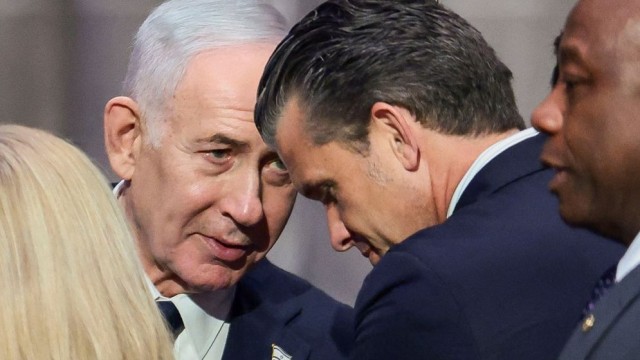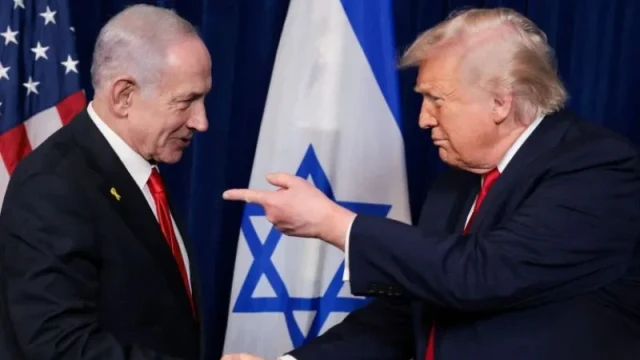
Jerusalem, Jun 05 (V7N)- Israeli Prime Minister Benjamin Netanyahu has downplayed recent reports of tensions with U.S. President Donald Trump, saying that occasional strategic differences between the two leaders are normal and do not undermine the strong relationship between the United States and Israel.
In an interview with CNBC, Netanyahu described his relationship with Trump as close and built on mutual respect. He also praised the U.S. president, saying Trump remains one of Israel’s strongest friends within the American administration.
The comments came after Trump recently told the New York Post that he had been angered by Israel’s military operation in Lebanon and had expressed his concerns during a phone conversation with Netanyahu. Despite his criticism, Trump also stated that he personally likes the Israeli prime minister.
Responding to those remarks, Netanyahu said that differences between leaders are inevitable, particularly on strategic and security matters. However, he emphasized that such disagreements are temporary and are usually resolved quickly through dialogue and cooperation.
“Like members of a family, close allies can have disagreements from time to time,” Netanyahu indicated, stressing that these differences do not change the fundamental partnership between the two countries.
The United States and Israel have recently shown some divergence in their approaches to developments in Lebanon. Nevertheless, both governments have maintained that they share the broader objective of countering and disarming Hezbollah, which they view as a significant security threat.
Political analysts noted that occasional policy disagreements are common between allied nations and should not be interpreted as a major crisis in bilateral relations. Instead, they argue that the recent exchanges reflect normal diplomatic discussions between two long-standing strategic partners.
Despite differing views on certain regional issues, Washington and Jerusalem continue to cooperate closely on defense, intelligence, and broader Middle East security matters.
END/SMA/AJ