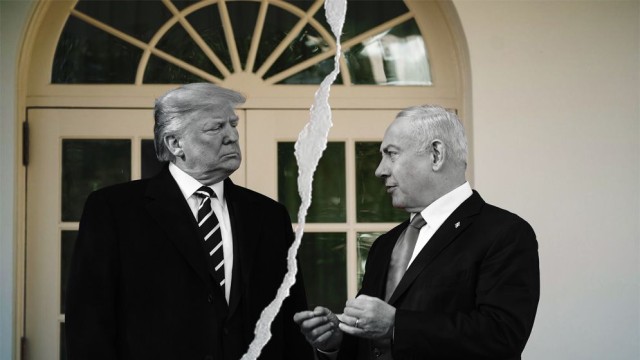
Washington, Jun 10 (V7N) – Rising military tensions between Israel and Iran have not only heightened instability across the Middle East but have also exposed growing policy differences between Israeli Prime Minister Benjamin Netanyahu and U.S. President Donald Trump, according to political analysts.
A recent analysis published by Al Jazeera suggests that strategic disagreements over Iran are creating visible strains in a relationship long regarded as one of the closest alliances between Washington and Tel Aviv.
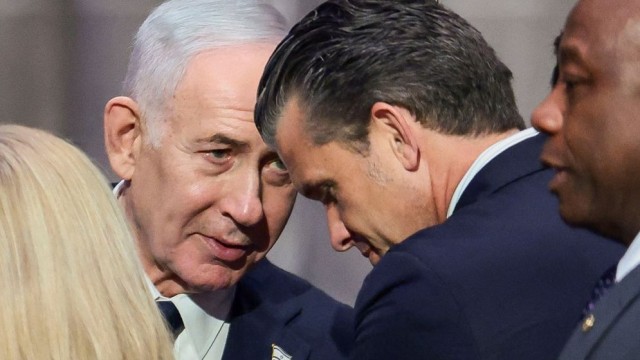
Netanyahu has frequently described Trump as Israel's strongest ally in the White House, while Trump has publicly praised the Israeli leader on numerous occasions. However, recent developments surrounding the Iran crisis have reportedly cooled the relationship.
According to the report, Trump expressed frustration during a recent phone conversation with Netanyahu, criticizing Israeli military actions that he believed were undermining ongoing U.S. diplomatic efforts with Iran. The U.S. president reportedly warned that further escalation in the region could jeopardize negotiations aimed at reducing tensions.
The disagreement surfaced after Iran launched missile attacks targeting northern Israel following an Israeli strike on a southern suburb of Beirut. The exchange threatened a ceasefire arrangement that had helped ease tensions in recent months and raised concerns about the possibility of a broader regional conflict.
While both sides later stepped back from further military action, the incident highlighted a growing divergence in priorities between the two leaders.
Trump is reportedly focused on preventing a prolonged conflict that could disrupt global energy markets, increase oil prices, and create economic uncertainty ahead of upcoming U.S. elections. A diplomatic breakthrough with Iran is viewed by many in Washington as the preferred path forward.
Netanyahu, however, faces a different political reality. Military action against Iran continues to receive significant support among sections of the Israeli public, and his right-wing coalition partners have repeatedly called for a tougher security response toward both Iran and its regional allies.
The stakes are particularly high because of the Strait of Hormuz, a critical global shipping route through which roughly one-fifth of the world's oil and liquefied natural gas supplies pass. Any disruption in the waterway could trigger sharp increases in global energy prices and place additional pressure on the U.S. economy.
Despite the reported tensions, analysts caution against viewing the disagreements as a fundamental breakdown in U.S.-Israel relations. The United States remains Israel's most important strategic ally, providing billions of dollars in military assistance annually, along with diplomatic backing and access to advanced defense systems.
Israeli journalist Gideon Levy noted that Israel remains heavily dependent on American support and would face significant challenges in pursuing a major military confrontation with Iran without Washington's cooperation.
Meanwhile, Netanyahu finds himself balancing competing pressures. While the United States is encouraging diplomacy and de-escalation, influential political allies within Israel continue to advocate for stronger military measures against Iran and groups aligned with Tehran.
Israel is not directly participating in the ongoing diplomatic contacts between Washington and Tehran. Reports suggest that a potential agreement could allow Iran to retain parts of its nuclear program under international supervision, a scenario that may conflict with Netanyahu's long-standing position on Iran's nuclear ambitions.
Even so, experts argue that the current disagreements reflect differences in strategy rather than a collapse of the broader partnership. Despite occasional public criticism, military cooperation and diplomatic coordination between the United States and Israel remain firmly in place.
As tensions continue to evolve, observers say the coming months will reveal whether diplomacy or confrontation ultimately shapes the next chapter of the Iran-Israel crisis.
END/SMA/AJ