Washington/Tehran, July 28 (V7N)- Diplomatic efforts to ease tensions between the United States and Iran have intensified as Qatar and Pakistan seek to bring the two countries back to the negotiating table, despite continued military and political disagreements.
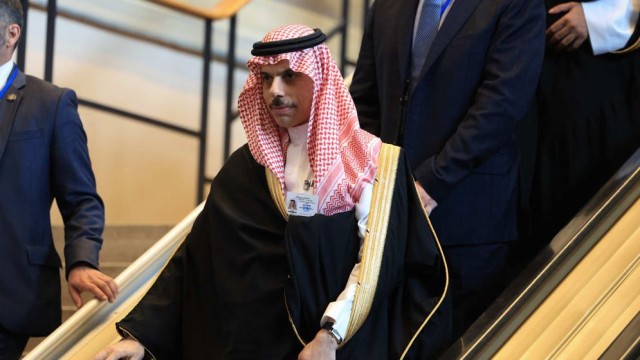
According to an Associated Press (AP) report published on Monday (July 27), several Middle Eastern officials, speaking on condition of anonymity, said Qatar and Pakistan are actively working to bridge differences between Washington and Tehran through behind-the-scenes diplomacy.
Although no formal talks have begun, officials said indirect communication between the two sides has continued following recent developments. The suspension of US airstrikes after nearly two weeks of military operations has also been viewed by some observers as a positive signal for diplomacy.
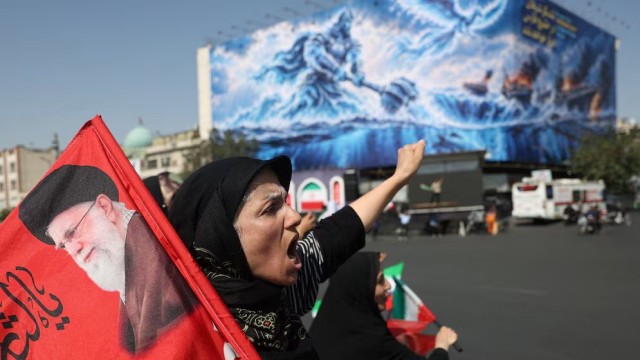
However, Iran has publicly shown little interest in renewed negotiations. Recent Iranian drone attacks targeting areas in Saudi Arabia, Jordan and Iraq have underscored the fragile security situation in the region.
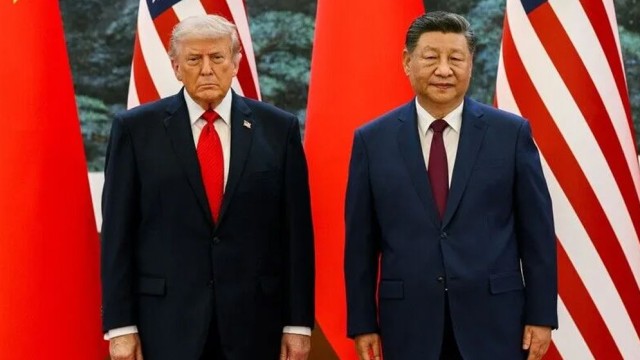
Meanwhile, US President Donald Trump claimed that Iran had sought direct talks through intermediaries.
"We are talking to Iran right now. The talks are going well," Trump told reporters aboard Air Force One. He also warned that Iran would face "serious consequences" if an agreement could not be reached.
Iran, however, rejected the claim. A spokesperson for the Iranian Foreign Ministry said Tehran had not requested the resumption of direct peace talks, although mediators representing the United States could continue exchanging messages between the two sides. The spokesperson added that there are currently no direct negotiations between Washington and Tehran.
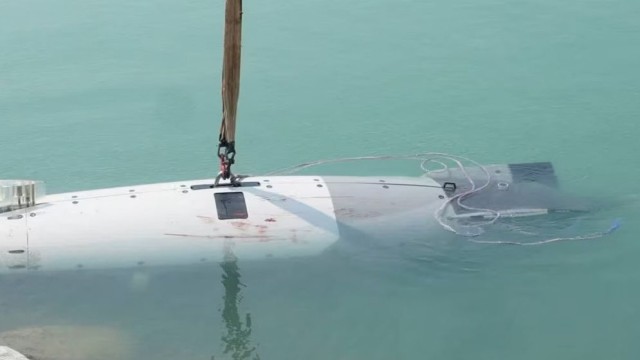
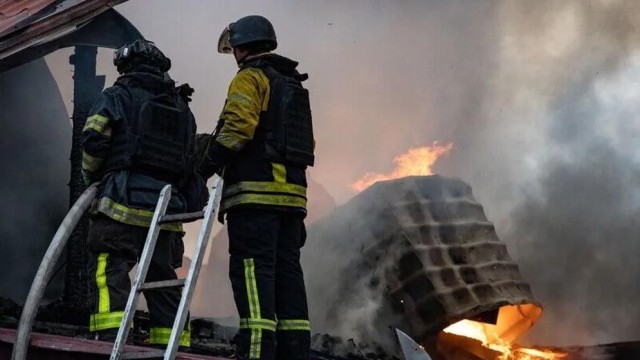
Tensions escalated earlier this month after Iran allegedly attacked a vessel transiting the Strait of Hormuz. The United States subsequently launched a series of strikes targeting Iranian coastal areas and strategic infrastructure before President Trump announced a temporary suspension of the operation on Saturday.
During the 13-day exchange of hostilities, Iran launched missile and drone attacks on locations in the Middle East hosting US forces. Reports said several American service members were killed in attacks on military facilities in Jordan and Iraq.
Addressing concerns about missile defense capabilities, Trump said the United States has sufficient ammunition and is expanding its stockpile while developing new interceptor missiles for the Patriot air defense system. He also dismissed reports suggesting shortages had contributed to the pause in military operations.
According to Al Jazeera, regional mediators continue exchanging messages between the two countries in an effort to revive a memorandum of understanding reached in mid-June that had previously helped reduce tensions.
One of the major unresolved issues remains navigation through the Strait of Hormuz. Iran has proposed that vessels use designated shipping lanes closer to its coastline, while disputes continue over security and freedom of navigation in the strategic waterway.
Oman has proposed a voluntary toll system for vessels using the Strait of Hormuz. Iran, however, has argued that such payments should be mandatory. Officials said discussions are continuing over how any future transit fee could be implemented, although significant differences remain.
Meanwhile, the US Central Command (CENTCOM) said it has rerouted 17 commercial vessels passing through the Strait of Hormuz. It also reported stopping two additional ships and conducting inspections of two others as part of maritime security operations linked to sanctions and restrictions on Iran.
END/SMA/AJ