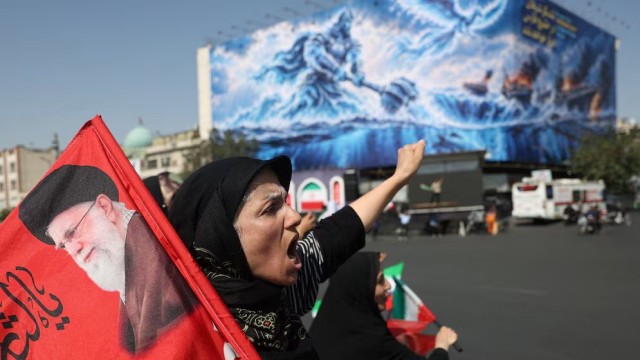
Washington, Aug 04 (V7N) – The United States is exploring new strategies in its ongoing conflict with Iran, with the US military reportedly seeking fresh and unconventional ideas to increase pressure on Tehran and force it toward a negotiated settlement.
According to an exclusive CNN report published on Tuesday (August 4), a senior official at the US military command overseeing operations against Iran circulated an email to military personnel stating, “We need ideas.”
The report said that an intelligence official at the US Central Command (CENTCOM) sent an email on Wednesday to a broad group of military analysts, requesting suggestions for “new, creative and unconventional” ways to pressure and punish Iran.
Another source familiar with the matter said a senior CENTCOM official had issued a similar request the previous week, seeking innovative strategies to deal with Iran.
Military officials described such a broad email solicitation for operational ideas as highly unusual. However, they said it reflects the limited and increasingly difficult options facing the Trump administration as it seeks to pressure Iran into accepting a deal on Washington’s terms.
The brainstorming initiative was intended to determine whether analysts could propose alternatives beyond conventional military operations.
A second source said CENTCOM is reviewing every possible option for dealing with Iran and recognizes that its current strategy may require reassessment.
“US Central Command has a long history of thinking and acting in creative ways,” CENTCOM spokesperson Captain Timothy Hawkins said in a statement.
He added that Admiral Cooper specifically encouraged personnel of all ranks to contribute ideas to maximize military effectiveness.
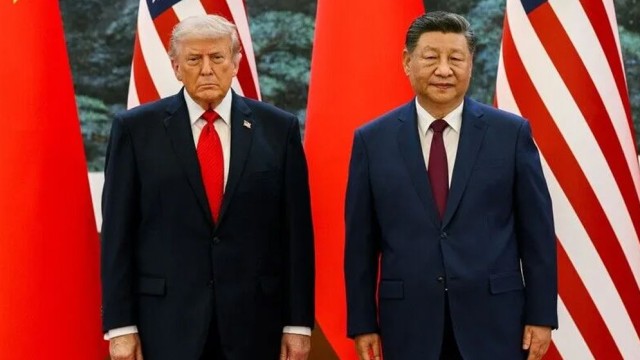
The reported email campaign took place before President Donald Trump publicly threatened another military strike on Iran, a plan he later shelved over the weekend.
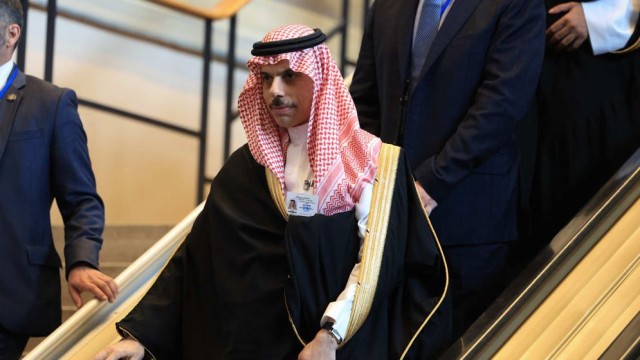
According to the report, Trump decided against the operation after intervention from several regional leaders, including the Crown Prince of Saudi Arabia, who urged him to de-escalate tensions.
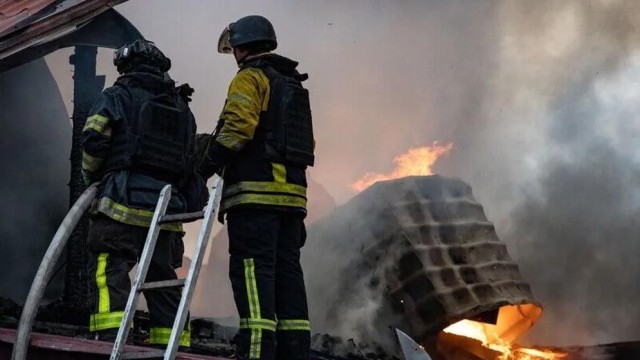
The United States has conducted weeks of airstrikes targeting Iran, aiming to reduce threats to international shipping in the Strait of Hormuz and pressure Tehran back to negotiations.
Despite the sustained campaign, officials acknowledge that no diplomatic breakthrough has yet been achieved.
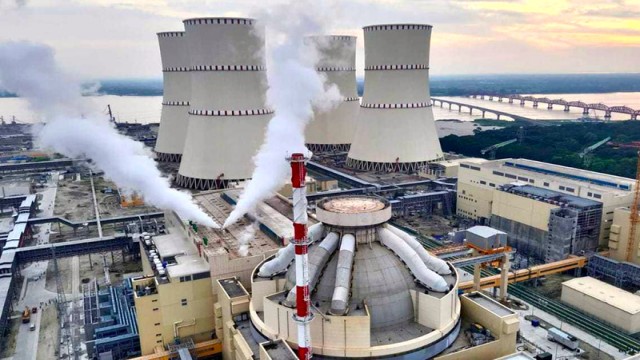
Trump is also reportedly considering intensifying military operations by launching another large-scale strike against Iran’s remaining nuclear facilities.
Last summer, Trump claimed US attacks had “completely destroyed” Iran’s nuclear infrastructure. However, questions remain over whether Tehran’s nuclear program has been fully dismantled.
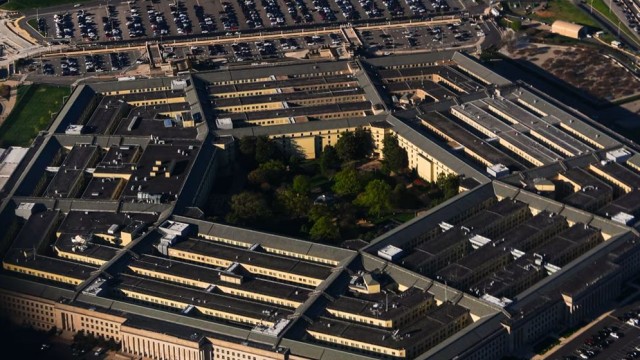
Sources familiar with military planning told CNN that the Pentagon is considering strikes on several additional facilities, including the heavily fortified “Pickaxe Mountain,” believed to house nuclear materials or related equipment.
Officials cautioned that many of these facilities are buried deep underground and may survive even the most powerful conventional weapons in the US arsenal.
Some analysts believe completely eliminating those sites could ultimately require ground forces, a step regarded as highly risky.
The report also stated that 18 US service members have reportedly been killed since the conflict began.
One source said Trump is also considering a more limited operation described as a “fireworks display” — a symbolic strike against previously targeted sites designed to demonstrate military strength before seeking an exit from the conflict.
However, experts argue such an operation would fall short of Trump’s stated objective of dismantling Iran’s nuclear program and would not resolve the broader dispute over the Strait of Hormuz.
A source familiar with the discussions said Trump ultimately wants a negotiated agreement but is seeking stronger leverage before returning to diplomacy.
“When conventional military options are running out, creative thinking is needed,” the source said.
US intelligence agencies have reportedly concluded that continued airstrikes alone are unlikely to significantly alter Iran’s negotiating position.
According to CNN, both the Central Intelligence Agency (CIA) and the Defense Intelligence Agency (DIA) have reached similar assessments.
Chairman of the Joint Chiefs of Staff General Dan Kaine has also publicly acknowledged the limitations of air power.
“There are limitations to air power,” Kaine told lawmakers last month.
Meanwhile, the United States has continued reinforcing its military presence in the Middle East while multiple military options remain under consideration.
According to US officials, CENTCOM has proposed a one- to two-week intensive bombing campaign aimed at significantly degrading Iran’s missile capabilities.
However, Trump has not approved the plan, partly because of concerns raised by General Kaine over dwindling interceptor missile inventories needed for US air defense systems.
Officials have also warned that attacks on major Iranian infrastructure, including bridges and water treatment facilities, could result in substantial civilian casualties.
Another option under discussion is the deployment of US ground forces inside Iran.
Trump has previously floated ideas such as seizing the strategically important Kharg Island or securing Iran’s stockpile of highly enriched uranium.
However, sending American troops into Iran would contradict one of Trump’s central campaign promises to avoid prolonged overseas wars.
During a 2024 campaign rally in Pennsylvania, Trump pledged not to send Americans to fight and die in what he described as “endless foreign wars.”
Allowing the current cycle of retaliatory strikes to continue also carries significant risks, including additional American casualties and continued instability in the Strait of Hormuz.
Such a scenario could evolve into the kind of “forever war” Trump has repeatedly criticized.
Speaking at a Cabinet meeting on Friday, Trump said, “I think we just want to win.”
“We’re going to keep hitting them very hard. At some point, they’re going to say, ‘We can’t take it anymore,’” he added.
The key question now is whether the Trump administration will expand military operations, deploy ground forces, or ultimately pursue a renewed diplomatic settlement with Iran.
END/SMA/AJ