RAJSHAHI, April 22, (V7N) — Farmers across Bangladesh are facing a three‑pronged crisis during the crucial Boro season, with shortages of diesel, fertilizer, and agricultural machinery threatening production and livelihoods.
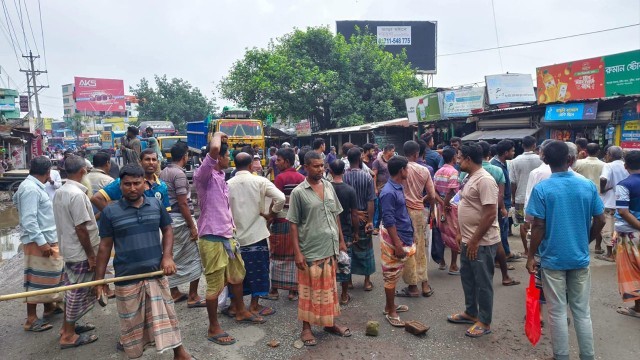
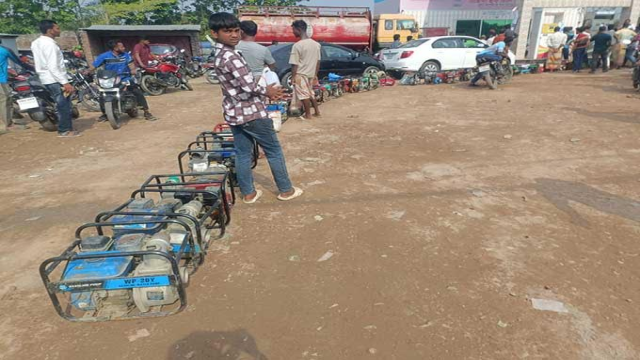
Farmers report standing in line for hours to collect fuel, often receiving only a few liters. The recent Tk 15 per liter hike has pushed diesel prices to Tk 115, raising irrigation costs sharply. According to the Department of Agricultural Extension (DAE), irrigation alone requires about 760,000 tons of diesel during the six‑month season, but supply is falling short of daily demand. Farmers like Ershadul Haque of Roumari said, “We went to the market for oil at 6 am. It was 10 pm when we got the oil. The farmers are suffering all day, leaving work behind.”
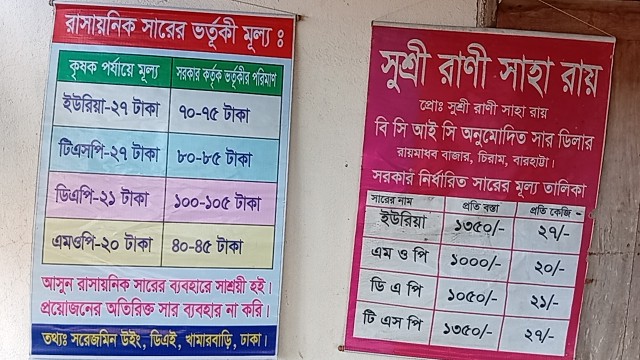
Farmers in Kurigram, Gaibandha, and Dinajpur complain that dealers are providing less fertilizer than required, forcing them to buy at inflated prices in the open market. Rezaul Islam of Dinajpur said he needed two bags of urea for one acre but received only one, paying Tk 14,500 outside instead of Tk 13,500. Officials insist there is no shortage, but farmers argue distribution is inadequate.
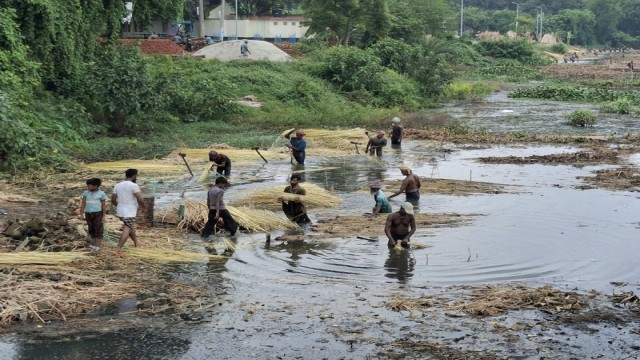
Bangladesh has over 2.1 million diesel‑powered machines, including tube wells, tractors, and harvesters. Yet, due to lack of subsidies, new machinery has not entered the market for two years, while older equipment is breaking down. Tractor drivers like Zahir Islam of Keraniganj said they wait hours for fuel, earning far less than before.
Production costs are rising faster than crop prices. Ershadul Haque calculated that producing one maund of paddy now costs Tk 1,100–1,150, while the market price is Tk 1,050, leaving farmers at a loss. In Rangamati, Kapru Marma said high‑land cultivation is suffering most, with fuel scarcity making harvesting more expensive.
Agriculture Secretary Rafiqul E. Mohamed said coordination meetings are underway to ensure fuel supply and repair broken harvesters. Farmers are being issued fuel cards to simplify collection. But agricultural economist Saiful Islam warned that rising input costs will reduce food production, urging increased subsidies for diesel.
With Boro harvesting underway and Aush cultivation approaching, farmers fear reduced yields and financial losses. As Professor Saiful Islam noted, “The increase in the cost of various agricultural inputs, including fertilizer and oil, is increasing the cost of cultivation. Farmers have been struggling to cover production costs since before. Now the oil crisis will also affect production.”
END/RAR/RH/