Zurich, May 15 (V7N) – The FIFA World Cup has evolved far beyond a football tournament and is now considered one of the world’s biggest commercial mega events, with hosting costs rising dramatically over the past three decades.
When the United States hosted the 1994 World Cup, the total expenditure was only around US$500 million, largely because the country already had modern infrastructure and stadium facilities in place.
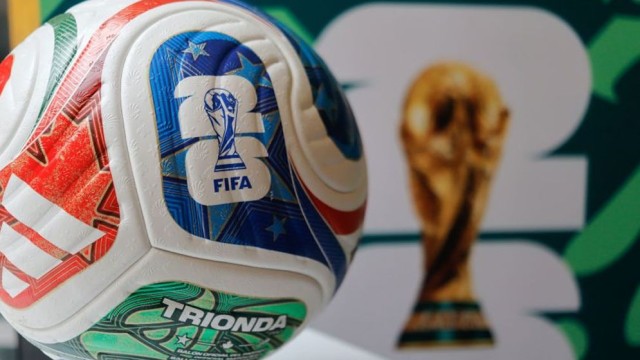
However, for the upcoming 2026 World Cup, which will be jointly hosted by the United States, Canada and Mexico, the estimated cost has surged to nearly US$13.9 billion. Compared to 1994, the projected expenditure has increased by approximately US$13.4 billion over 32 years.
Qatar Set Record With Massive Spending
Among all World Cup hosts, Qatar remains far ahead in spending. The Gulf nation reportedly spent an unprecedented US$220 billion to organize the 2022 World Cup — nearly 15 times higher than the estimated cost of the upcoming 2026 edition.
Most of Qatar’s spending went into building stadiums, developing new cities, expanding transportation systems and constructing metro rail infrastructure.
Brazil and Russia Also Spent Billions
Brazil ranks second on the spending list, investing around US$15 billion for the 2014 World Cup. A major portion of the budget was used for stadium renovations and infrastructure development, though the spending also sparked protests in several Brazilian cities at the time.
Meanwhile, Russia spent about US$11.6 billion hosting the 2018 World Cup, the country’s first time organizing football’s biggest tournament. Much of the expenditure focused on stadium modernization projects.
Growth of World Cup Spending Over the Years
The first World Cup held on African soil in South Africa in 2010 cost approximately US$3.6 billion, mainly for the construction of new stadiums.
Earlier, the jointly hosted 2002 World Cup in Japan and South Korea cost around US$7 billion, creating a major impact in Asia.
In contrast, Germany spent roughly US$3.6 billion to organize the 2006 World Cup.
The 1998 World Cup hosted by France cost around US$2.3 billion, nearly five times higher than the 1994 tournament despite already having substantial infrastructure in place.
Expanding Tournament Means Bigger Budgets
The upcoming 2026 World Cup will feature an expanded format with more teams, more matches and additional venues. As a result, analysts believe the estimated US$13.9 billion budget could rise further before the tournament begins next May.
Experts say the FIFA World Cup has now transformed into a massive global economic marketplace worth billions of dollars, combining sports, infrastructure, tourism and international business on an unprecedented scale.
END/SMA/AJ