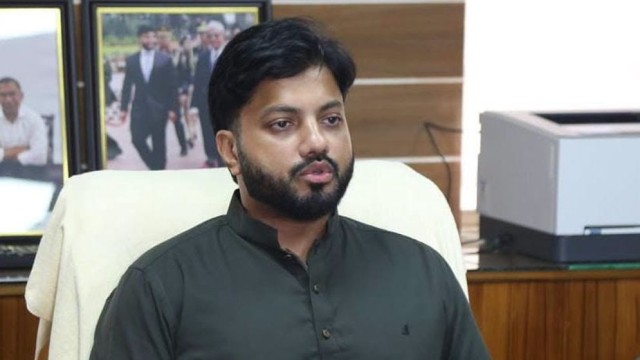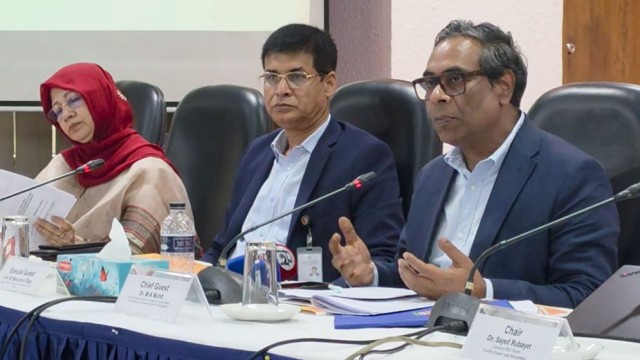
Dhaka, Sep 15 (V7N)- State Minister for Health Dr. M A Muhit has said that integrating urban healthcare into the mainstream government health system is essential to building a sustainable national healthcare system amid Bangladesh’s rapid urbanization.
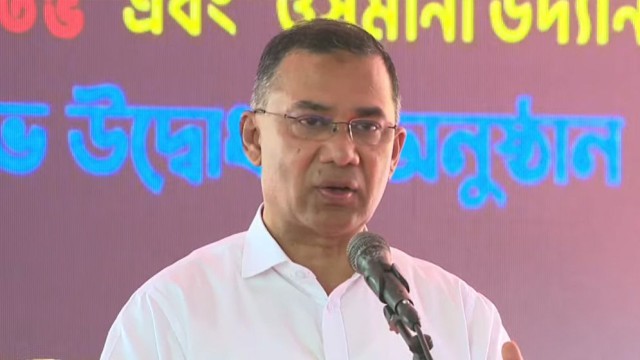
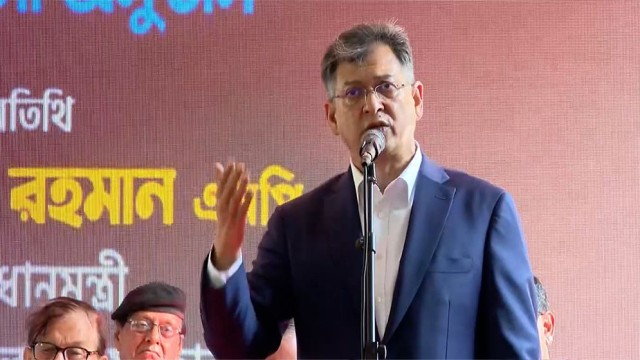
He made the remarks on Tuesday morning (September 15) while addressing a national consultation meeting as the chief guest at the CIRDAP auditorium in the capital.
The consultation, focused on sustainable sexual and reproductive health and rights, was organized by civil society organizations.
Dr. Muhit said less than 10 percent of Bangladesh’s population lived in urban areas at the time of independence, which led the health system to focus primarily on rural communities. However, around 30 percent of the population now lives in urban areas, and the figure is projected to reach 50 percent by 2050.
“We are not building a health system merely for today; we are also considering the future,” Dr. Muhit said. “Therefore, the decision to integrate urban healthcare into the mainstream government health system, giving it high priority, has been made based on current realities.”
He said urban healthcare had previously been largely managed by city corporations, municipalities and NGOs. While recognizing the flexibility and positive aspects of that model, the government is now developing a comprehensive and sustainable framework under its supervision.
Regarding the proposed structure, the State Minister said the Directorate General of Health Services (DGHS) and the Directorate General of Family Planning (DGFP) would jointly play roles in delivering healthcare services. The DGFP would have a particularly important role in providing sexual and reproductive healthcare.
Outlining the government’s broader plan, Dr. Muhit said it has pledged to recruit 100,000 new health workers to expand healthcare services at the grassroots level. The new workforce will receive integrated training alongside around 40,000 existing workers under a unified framework.
He said plans are also underway to equip Community Health and Wellbeing workers with modern diagnostic kits and AI-powered digital applications. These tools would enable them to conduct preliminary check-ups and provide health advice during door-to-door visits.
The State Minister said the government is also seriously considering introducing evening clinic services to meet the healthcare needs of low-income urban workers.
At the same time, plans are being developed to ensure healthcare access for floating urban populations and women and children with disabilities by establishing ward-based catchment areas. Under the proposed system, each unit would serve between 50,000 and 100,000 people.
Dr. Muhit urged authorities to finalize development project proposals quickly so that the proposed urban healthcare framework can be implemented without delay.
He said the initiative would help establish a people-friendly and inclusive urban healthcare system capable of meeting the country’s needs over the next 20 to 30 years.
The meeting was moderated by Dr. Sayed Rubayet, Country Director of Ipas Bangladesh and Convener of the CSO Forum.
A.K.M. Benjamin Riazi, Secretary of the Medical Education and Family Welfare Division under the Ministry of Health and Family Welfare, and Zinat Rehana, Director General of the Directorate General of Family Planning, also addressed the event.
END/SMA/AJ