


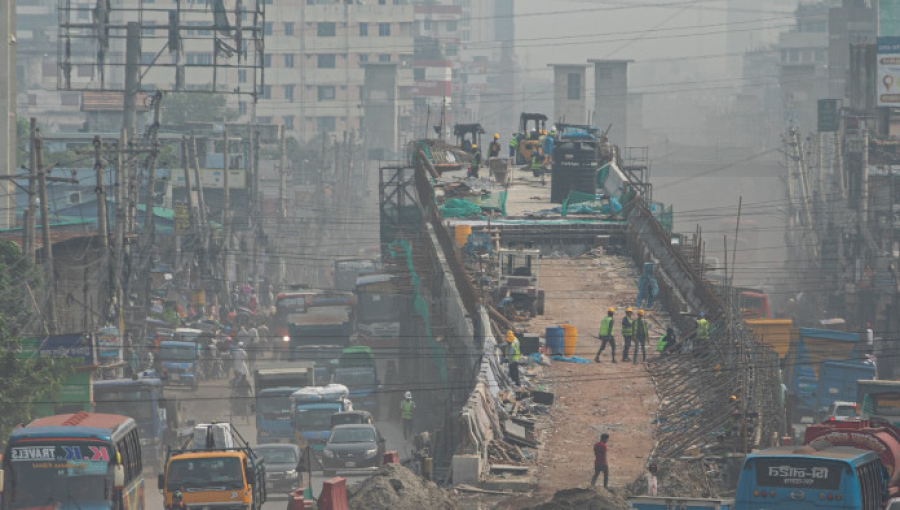
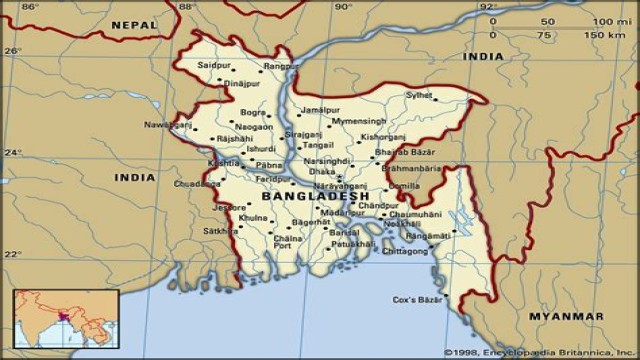
Dhaka, Feb 11 (V7N) — The densely populated capital of Bangladesh ranked second among the world’s most polluted cities on Wednesday morning, recording an Air Quality Index (AQI) score of 288 at 8:18 am, according to the latest AQI report.
With this reading, Dhaka’s air quality was classified as “very unhealthy,” indicating a serious health risk for residents.
India’s Delhi topped the list with an AQI of 326, followed by Dhaka (288) in second position. Kolkata (193) and Karachi (176) ranked third and fourth respectively.
According to the AQI scale:
-
50–100: Moderate
-
101–150: Unhealthy for sensitive groups
-
151–200: Unhealthy
-
201–300: Very unhealthy
-
301+: Hazardous
An AQI between 201 and 300, as seen in Dhaka, suggests that everyone may begin to experience health effects, while members of sensitive groups could face more serious impacts.
The AQI provides daily information about air quality, indicating how clean or polluted the air is and outlining potential health effects. In Bangladesh, the AQI is calculated based on five major pollutants:
-
Particulate Matter (PM2.5 and PM10)
-
Nitrogen Dioxide (NO₂)
-
Carbon Monoxide (CO)
-
Sulfur Dioxide (SO₂)
-
Ozone
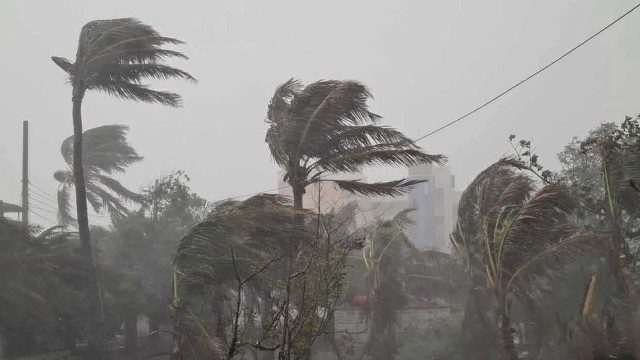
Dhaka has long battled severe air pollution. Air quality typically worsens during the winter months and improves with the arrival of the monsoon season, when rainfall helps reduce airborne pollutants.
According to the World Health Organization (WHO), air pollution causes an estimated seven million deaths globally each year, primarily due to stroke, heart disease, chronic obstructive pulmonary disease (COPD), lung cancer, and acute respiratory infections.
Health experts advise residents—particularly children, the elderly, and those with respiratory conditions—to limit outdoor activities during periods of very unhealthy air quality.
END/CLM/RH























Comment: