Tehran, Jun 03 (V7N) – Iran has not completely ruled out the possibility of reaching an agreement with the United States, but deep mistrust, strict conditions and continued hostilities between the two countries have complicated prospects for a breakthrough.
More than three months after the outbreak of conflict, Washington and Tehran remain divided over key issues, including the Strait of Hormuz, Iran's nuclear program and the lifting of economic sanctions. Both sides continue to accuse each other of carrying out attacks despite ongoing diplomatic contacts.
In recent weeks, reports have emerged of confrontations involving US forces and Iran’s Islamic Revolutionary Guard Corps (IRGC). Iranian officials have accused Washington of repeatedly violating a ceasefire arrangement that Tehran says has been in place since April.
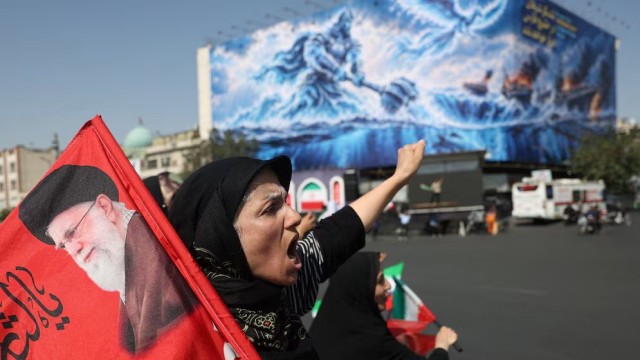
Against this backdrop, Iran’s military, religious and political leadership have emphasized that the country will not surrender to external pressure. However, differences remain among influential factions regarding the scope and conditions of any future agreement.
Mojtaba Khamenei Signals Hardline Position
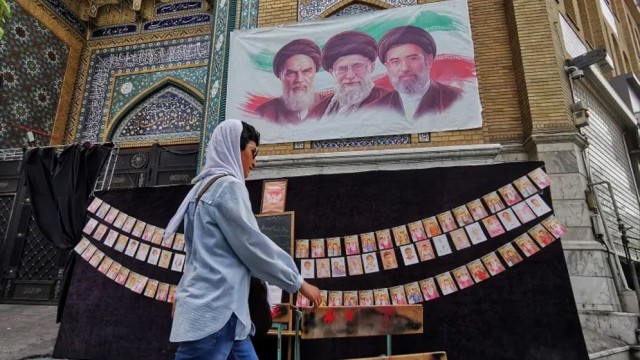
Following the death of Iran’s Supreme Leader, Mojtaba Khamenei has assumed a central leadership role. Due to security concerns, he rarely appears in public and primarily communicates through written statements.
In recent messages, Khamenei has emphasized reducing American influence in the Persian Gulf region and protecting Iran’s nuclear and missile programs, which he describes as national assets. He has also called for preparations for a long-term “resistance economy,” signaling expectations of continued sanctions and economic pressure.
Military Leadership Opposes Major Concessions
The influence of the IRGC and military leadership has grown significantly during the conflict. Senior commanders have consistently opposed major concessions to Washington.
IRGC Commander-in-Chief Ahmad Vahidi has warned that Iran is prepared to respond forcefully if necessary, while military officials have reiterated that the country can independently secure the Strait of Hormuz.
Several former and current security officials have also insisted that any negotiations must include the lifting of sanctions, the release of frozen Iranian assets and recognition of Iran's strategic interests.
Political Leaders Divided on Negotiations
Within Iran’s political establishment, views on diplomacy remain mixed.
Hardline figures such as Saeed Jalili argue that any agreement with Western powers must contain strict guarantees and fully acknowledge Iran’s regional influence and sovereignty.
Meanwhile, more pragmatic leaders, including President Masoud Pezeshkian and Parliament Speaker Mohammad Bagher Ghalibaf, have signaled support for a negotiated settlement if it protects Iran’s national interests.
Foreign Minister Abbas Araghchi has also suggested that diplomacy remains the most effective path to reducing tensions while safeguarding Iran’s strategic priorities.
Uncertain Path Forward
Despite continued diplomatic contacts, major disagreements remain unresolved. Iran's leadership appears united in rejecting unconditional concessions, but divisions persist over how far negotiations should proceed and what compromises might be acceptable.
As a result, while channels for dialogue remain open, the prospects for a comprehensive agreement between Tehran and Washington remain uncertain, with both sides continuing to balance diplomacy against ongoing regional tensions.
END/SMA/AJ