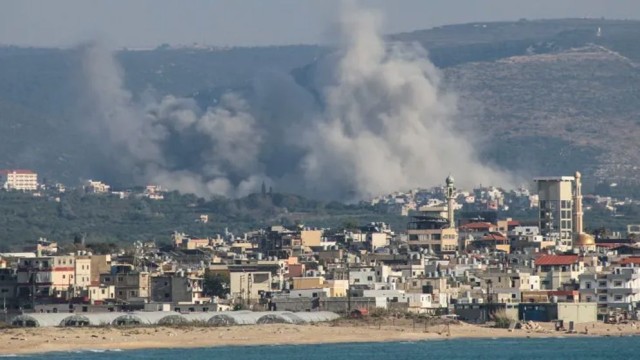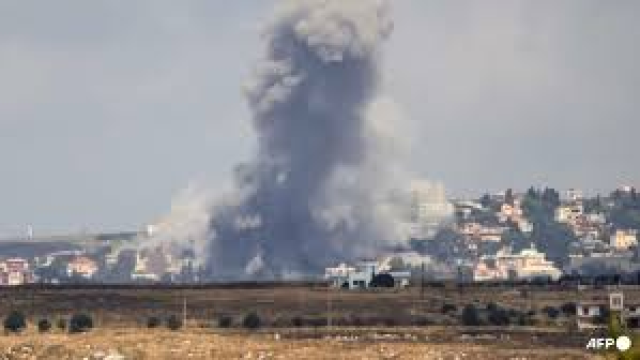
BEIRUT, June 19, (V7N) – Fighting flared in Lebanon on Friday, with authorities reporting 21 killed in Israeli airstrikes and Israel announcing the deaths of four of its soldiers. The violence is the worst since the sealing of a US-Iran deal to halt the wider Middle East war, which was supposed to also pause fighting between Israel and Hezbollah in Lebanon. The deaths of the soldiers drew a furious reaction from far-right National Security Minister Itamar Ben Gvir, who said "Lebanon must burn."
"Intensive" strikes across Lebanon's south killed 18 people and wounded 33, the country's health ministry said, while in the eastern Baalbek area another three people were killed. Video from AFPTV showed hundreds of cars packing roads in the city of Saida as people attempted to flee southern areas. Israel's military said it struck more than 80 command centres, terrorists, launch positions, and additional terrorist infrastructure sites in southern Lebanon, eliminating dozens of Hezbollah terrorists.
Iran-backed Hezbollah said it was attacking Israeli forces around the southern town of Nabatieh and vowed to defend Lebanon's territory and people, accusing Israel of violating a ceasefire and denying it had itself broken the truce. The group said "the enemy has never complied with any ceasefire agreement." Lebanese President Joseph Aoun condemned Israel's latest attacks, saying they "constitute a dangerous escalation" and undermined "ongoing efforts to consolidate the ceasefire and end the war."
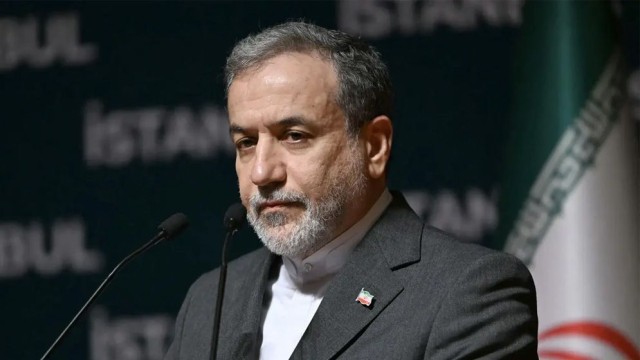
Earlier, the Israeli military announced that Lieutenant Colonel Dor Gedalia Ben Simhon had "fallen in combat" along with three other soldiers. Israeli military correspondents reported the four were killed when a tank was hit by "a suspected drone or anti-tank missile." Ben Gvir said, "For every tear shed by an Israeli mother, a thousand Lebanese mothers must weep." In response, Iranian Foreign Minister Abbas Araghchi accused Israel of wanting "permanent war."
Israeli Prime Minister Benjamin Netanyahu said Friday that Israeli troops will stay in Lebanon "as long as necessary," vowing to make Hezbollah pay a "heavy price" for its attacks. Hezbollah drew Lebanon into the Middle East war in early March by attacking Israel to avenge the killing of Iran's supreme leader at the start of the US-Israeli military campaign. Israel retaliated with broad strikes across Lebanon and a ground invasion in the south, which borders Israel and has long been under Hezbollah's sway. The latest escalation threatens to unravel the fragile ceasefire and reignite full-scale conflict in the region.
END/WD/RH/