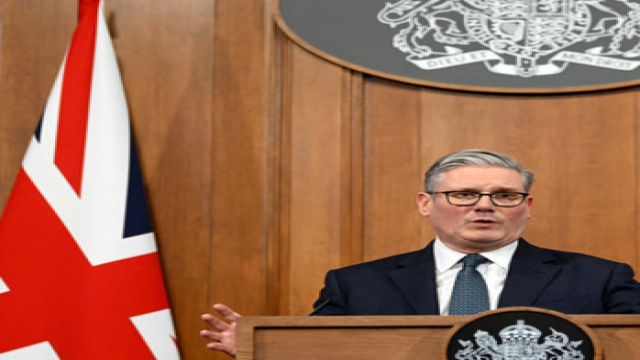
MAIDENHEAD, United Kingdom, June 30 (v7n): Outgoing UK Prime Minister Keir Starmer has announced that Britain will spend a record £300 billion ($397 billion) over the next four years to modernize its armed forces in response to growing global threats. Alongside this, Starmer launched the long-awaited Defence Investment Plan (DIP), allocating an extra £15 billion for military spending up to 2030. The plan heavily focuses on purchasing drones and autonomous systems to adapt to the changing nature of modern warfare.
The defense blueprint follows months of intense internal arguments within the Labour government regarding the budget needed to counter threats from nations like Russia and a less reliable United States. The dispute severely weakened Starmer's authority, leading to the resignation of two defense ministers, including Defence Secretary John Healey, who warned the plan could make the country less safe. Following a loss of support from his own lawmakers, Starmer announced his resignation on June 22, paving the way for former Greater Manchester Mayor Andy Burnham to take over as Prime Minister in mid-July.
Under the new plan, more than £5.0 billion will be spent on autonomous systems, including mine-hunting underwater drones, tactical quadcopters, and low-cost kamikaze strike drones. Additionally, the government announced that Britain's six aging destroyer warships will be replaced in the early 2030s by at least six "hybrid" vessels that combine crewed and uncrewed capabilities. While Starmer noted the plan will raise defense spending to 4.2 percent of GDP—closer to US President Donald Trump's demand for a 5 percent threshold—military leaders pointed out the funding falls short of the £28 billion they requested, and the opposition Conservative party criticized it as a delayed attempt by Starmer to secure a personal legacy.
end/aj/rh/