Aug 01, (v7n) - Three Federal Reserve policymakers who voted against this week's decision to hold interest rates steady have publicly insisted that rate hikes are urgently needed to prevent inflation from becoming entrenched.
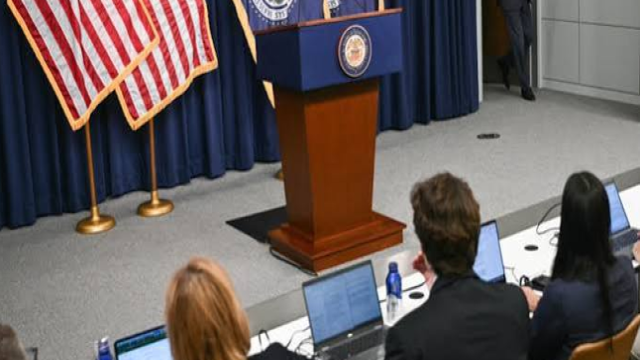
The Fed kept rates at 3.50–3.75 percent on Wednesday for the fifth consecutive meeting, with three of the 12 committee members dissenting in favor of a quarter-point increase—an unusually high number of objections that highlights the central bank's struggle to bring inflation back to its 2 percent target, a level not seen in over five years.
Beth Hammack, president of the Cleveland Fed and one of the dissenters, warned that "inflation has been too high for too long," adding that the longer it persists, the more difficult and expensive it becomes to resolve.
U.S. households have been hit hard by rising prices, with inflation spiking to three-year highs following President Trump's military campaign against Iran since March, which sent energy costs soaring and spilled into other goods. Additional pressures have come from past supply shocks—including the pandemic and the Russia-Ukraine war—along with Trump's tariffs and strong demand fueled by the AI boom.
Minneapolis Fed President Neel Kashkari, another dissenter, said in a Friday statement that he favors "tighten[ing] policy incrementally" as more data comes in. "If inflation remains elevated, in my view, a potential series of small policy moves would be better than waiting and eventually concluding that even bolder actions were necessary," he said.
The third dissenting voter, Dallas Fed President Lorie Logan, also backed "modest action" now to avoid sharper hikes later. She noted that current rates are not restrictive enough and that, barring an unexpected shock, inflation is likely to stay above target.
Meanwhile, new Fed Chairman Kevin Warsh—appointed by Trump and aligned with the president's preference for lower rates—has remained silent on how he would achieve the 2 percent inflation goal. Markets have grown uneasy with his lack of communication, pushing 30-year Treasury yields to their highest levels since 2007 after this week's meeting.
The New York Times also reported Friday, citing unnamed sources, that Warsh is considering reducing the number of annual rate-setting meetings from eight, with a possible revised schedule to be decided before the September meeting, though changes would likely take effect later.
end/wd/rh/