New York, Oct 13 (V7N) – United Nations Secretary-General António Guterres has called for coordinated global action to make homes safer and more resilient to disasters, stressing that household preparedness, effective early-warning systems and stronger building standards are essential to protecting lives and livelihoods.
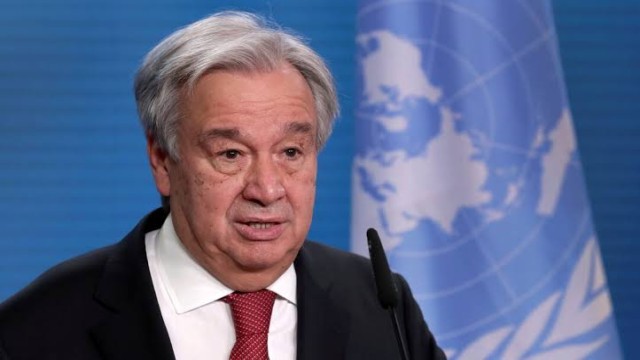
In a message marking the International Day for Disaster Risk Reduction on October 13, 2026, Guterres highlighted the importance of this year’s theme, “Resilience Starts at Home.”
“Our homes are where we sleep, care for one another, and build our daily lives. But how they are planned, built, and maintained can determine whether or not they keep us safe,” he said.
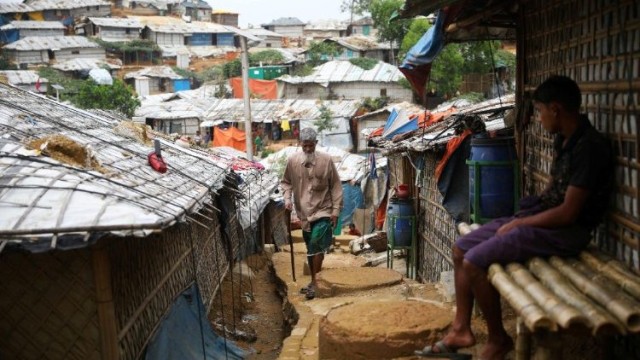
The UN chief noted that millions of homes are damaged or destroyed every year, displacing families and deepening poverty. Older people, persons with disabilities, low-income households and other vulnerable groups often bear some of the heaviest consequences.
He stressed that disaster preparedness must begin at the household level, with families understanding the risks they face, making emergency plans and knowing how to respond quickly when danger arises.
However, he emphasised that households cannot build resilience alone. Governments must enforce risk-informed building codes and land-use planning, while the private sector should invest in resilient construction and affordable insurance.
Guterres also called for universal access to effective early-warning systems that can alert people in time to take protective action. He described this as a central commitment of the UN-led Early Warnings for All initiative.
The Secretary-General further urged reform of the international financial architecture to ensure that developing countries can access the resources needed to prepare for disasters and reduce risks.
As climate-related hazards and other disaster risks increase, he said, building safer homes must remain a shared responsibility among governments, developers, engineers and communities.
“Together, let us commit to making every home a resilient one, now, and in the future,” Guterres said.
END/PR/UN/SMA/