


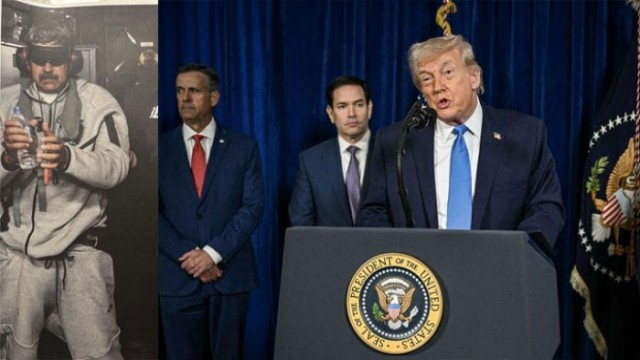
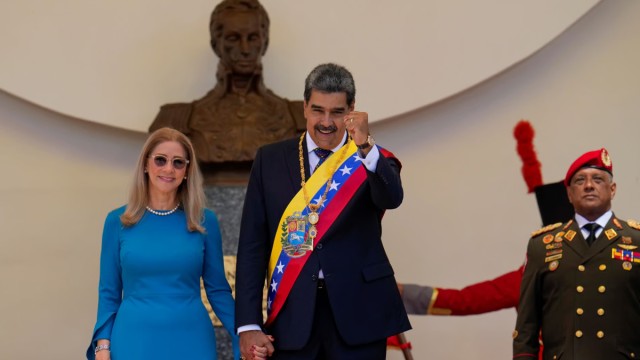
Mar-a-Lago, Florida, Jan 04 (V7N) — US President Donald Trump declared in a press conference that the United States will manage Venezuela’s affairs until it is safe to restore authority to local governance. “We will run the country until a safe and controlled handover is possible,” Trump stated, emphasizing that the aim is to ensure a secure environment where citizens can exercise their voting rights freely.
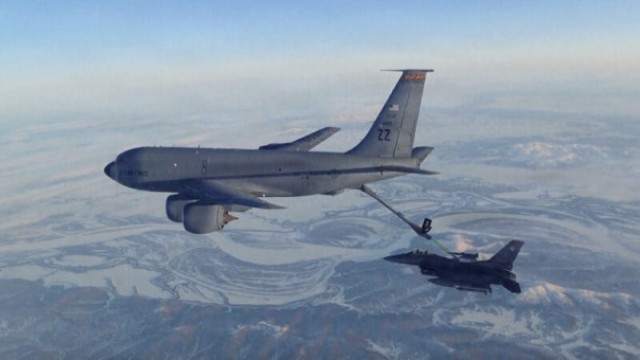
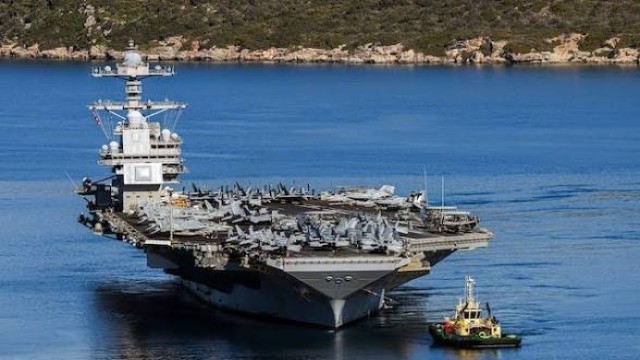
Trump described the military operation in Venezuela as “the most powerful and coordinated display of American military strength since World War II,” citing air, land, and sea operations. He noted that a second phase of attacks had been planned but was unnecessary due to the success of the initial operation. Trump also warned that US military power could be used again if required.
Addressing Venezuela’s future governance, Trump said no specific timeline has been set for returning control to Venezuelan authorities, drawing comparisons to post-World War II Germany and Japan, as well as post-invasion Iraq. “We will manage the country, rebuild infrastructure, particularly the oil sector, and American companies will operate to stabilize the economy,” he added.
Trump also revealed that Caracas’ power systems had been shut down during the operation. While he did not detail the method, experts suggest this could have involved direct attacks on the grid or cyber operations. According to Trump, Venezuelan military forces were aware of the operation in advance and quickly surrendered, with no US casualties reported.
During the press briefing, Trump released a photo showing Maduro inside the USS Iwo Jima, handcuffed, blindfolded, and wearing headphones. The image triggered a global reaction.
Senator Roger Wicker, chairman of the Senate Armed Services Committee, welcomed the operation, describing it as the culmination of efforts to dismantle Maduro’s “narco-terrorist structure,” while requesting a prompt briefing from the administration.
Meanwhile, in Venezuela, state television broadcast anti-US demonstrations. Cuban media reported rallies denouncing Trump as a “dictator” and chanting slogans demanding Maduro’s return, framing the arrest as an imperialist abduction.
Analysts warn that Trump’s statements and the US role in Venezuela raise critical questions about international law, sovereignty, and regional stability. The central question remains how long the US will maintain direct control and who will fill the resulting power vacuum. The combination of military success and de facto occupation has placed Venezuela at the center of a major geopolitical crisis, with potential repercussions across Latin America and global politics.
END/WD/AJ/
Comment: