
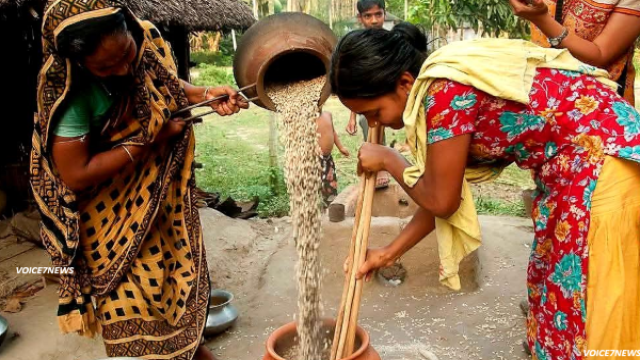
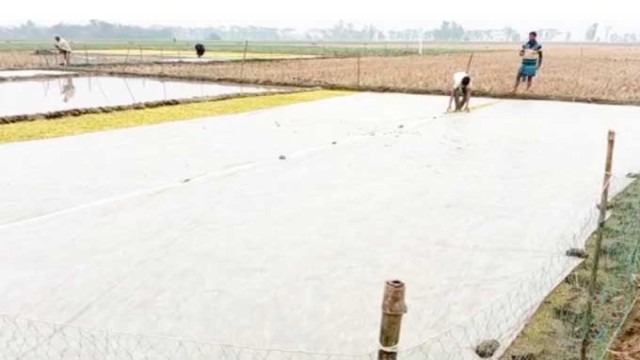
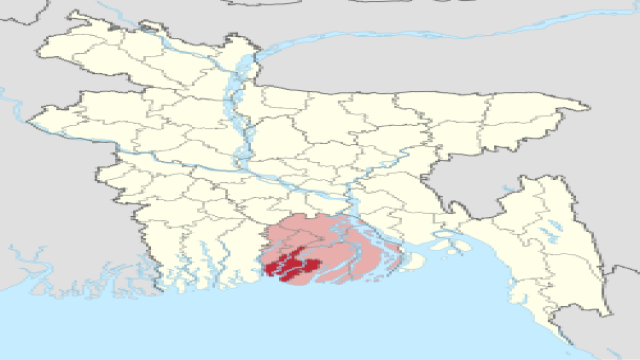
JHALOKATHI, FEB 22 (V7N) - The traditional puffed rice industry in Jhalakathi’s Nalchiti upazila has reached a peak of activity as the holy month of Ramadan approaches. Across twenty villages in the Dapadapia Union, more than three hundred families are working tirelessly to maintain a generations-old legacy of hand-fried "Muri." This region, now widely recognized as "Muripalli," has become a vital hub for the production of chemical-free, high-quality puffed rice, serving as a primary source of livelihood for hundreds of men and women who have achieved self-sufficiency through this indigenous trade.
The production process remains deeply rooted in artisanal methods, utilizing clay ovens and hot sand rather than modern machinery or harmful whitening agents like urea. Families in villages such as Rajakhali, Timir Kathi, and Bharatkathi engage in a rhythmic labor where salted water is mixed with coarse rice before being artistically tossed over intense heat. Currently, approximately 1,200 clay stoves are lit daily, producing an average of 200 maunds of delicious, thick puffed rice that is sought after not only in local markets but also by international exporters catering to the Bangladeshi diaspora.
The economic impact of this seasonal surge is significant for local workers who find themselves busier than at any other time of the year. Artisans like Deepali Rani report that they can process over 50 kilograms of rice daily, yielding a steady income that sustains their households. While the wholesale price is currently around 75 BDT per kilogram, the retail value climbs to 120 BDT in various city markets, reflecting the high consumer demand for a product that is perceived as both healthier and more flavorful than industrial alternatives.
The history of this thriving cottage industry dates back to 1948, when a local resident named Amzed Mia first began commercializing his hand-fried goods. The trade saw a major expansion in the 1980s when local educators encouraged wholesalers to source directly from these villages. Today, the industry has evolved from a small-scale tradition into a massive commercial operation that has effectively erased the previous identities of these villages, rebranding the entire union as a dedicated center for high-quality food production.
Recognizing the immense potential for further growth and employment, local authorities have signaled their intent to provide formal support to these rural entrepreneurs. Nalchiti Upazila Executive Officer Zubair Habib noted that the government aims to bring the industry to the attention of relevant departments to ensure better patronage and commercialization. By providing formal recognition and structural support, the administration hopes to transform this traditional craft into a more robust pillar of the national economy while preserving the purity of the product.
END/AIJ/RH/













Comment: