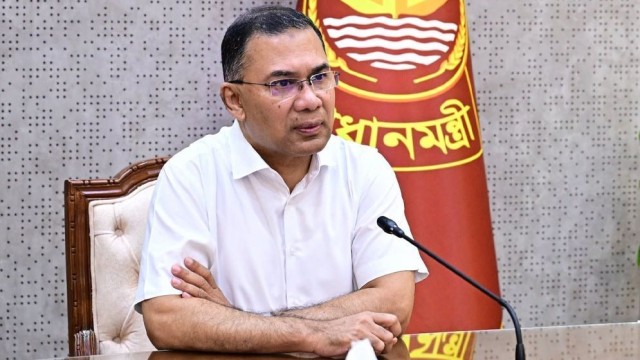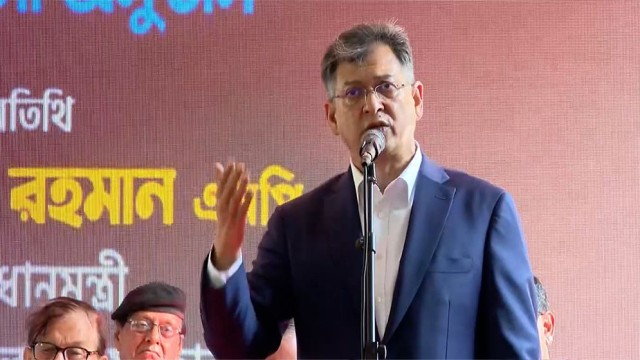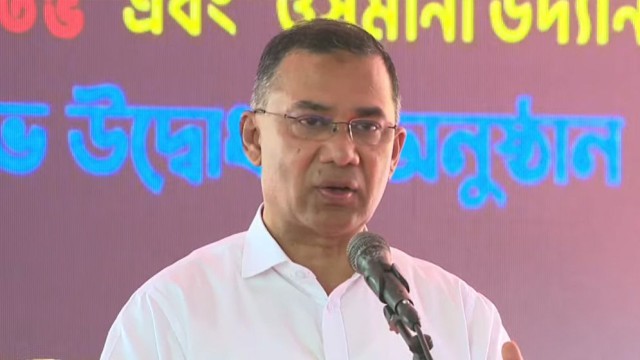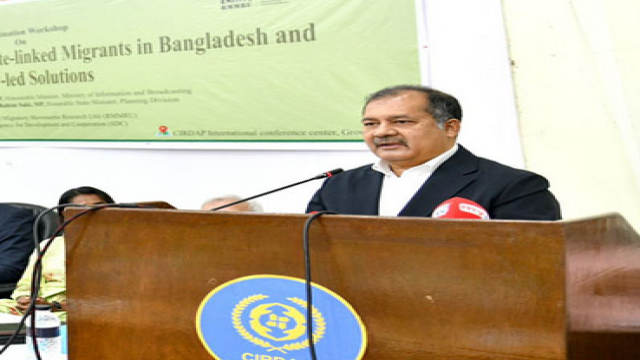
DHAKA, April 28 (V7N) — Information and Broadcasting Minister Zahir Uddin Swapon today asserted that climate-induced migration must be transitioned from being viewed as a mere humanitarian emergency to being recognized as a core pillar of national public policy. Addressing a workshop at the CIRDAP auditorium this morning, the Minister emphasized that integrating migration issues into the country's ongoing development framework is "the need of the hour."
The workshop, titled "Climate Change and Migration Challenges," was organized by the Refugee and Migratory Movements Research Unit (RMMRU) in collaboration with the Swiss Agency for Development and Cooperation (SDC).
Integrating Migration into Development
Minister Swapon highlighted that while natural disasters remain a primary driver of displacement in Bangladesh, political factors have also increasingly influenced migration patterns. He reiterated the government's commitment to solving citizen-centric problems, stating, “We have formed an elected government with the participation of the people. Our administration is dedicated to identifying and addressing the state’s key socio-economic challenges.”
On the global scale, the Minister issued a call for collective environmental action. “Science has yet to find another planet suitable for human life. We must protect this Earth and keep it livable through unified effort,” he said, urging civil society and researchers to coordinate closely with the government to reduce the hardships faced by displaced populations.
Key Policy Recommendations
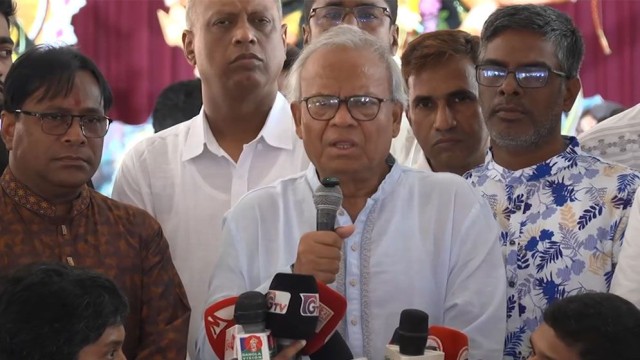
Dr. Tasneem Siddiqui, Executive Director of RMMRU and retired Dhaka University professor, delivered the keynote address, focusing on the decentralization of growth. She noted that:
Regional Industrialization: People are forced to migrate to Dhaka due to the closure of industries in regions like Khulna. Establishing district-level industries would allow people to increase their income in their own localities.
Urban Pressure: Migration is not just a "Dhaka problem" but a national one that requires regional growth centers to alleviate the burden on the capital.
Regional Risks: Jashore and Satkhira
The workshop delved into the specific risks faced by the Jashore and Satkhira regions, which are increasingly vulnerable to salinity and extreme weather. Participants discussed:
The Human Cost: The social and economic toll of displacement on families.
Affordable Housing: The role of local government and civil society in providing sustainable housing solutions for climate migrants.
Global Support: Nazia Haider of the Swiss Embassy presented the research rationale, emphasizing international interest in supporting Bangladesh’s climate adaptation strategies.
Distinguished Speakers
The event featured a diverse panel of experts and policymakers, including:
Zonayed Abdur Rahim Saki, State Minister for Planning.
Professor AK Enamul Haque, Director General of BIDS.
Iqbal Habib, Renowned architect and urban planner.
Lisa Tanitha Greminger, Regional Advisor for Migration Protection at the Embassy of Switzerland.
The consensus among speakers was that timely policy interventions are essential to manage the flow of internal migration, ensuring that the movement of people becomes a planned economic contribution rather than a desperate flight from environmental degradation.
END/AJ/RH/