Dhaka, Sept 18 (V7N) – Bangladesh today sought enhanced cooperation from the International Atomic Energy Agency (IAEA) to create more opportunities for international skills development, fellowships, internships and training for its young scientists, researchers, students and professionals.
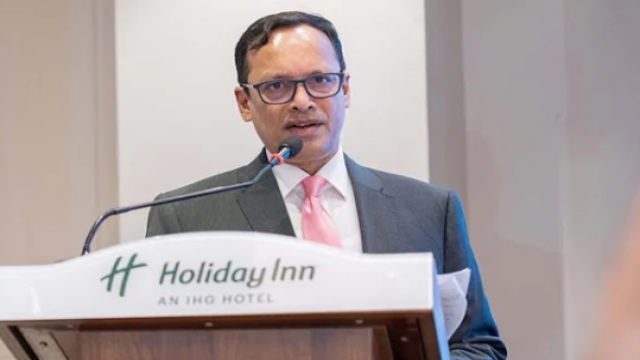
Science and Technology Secretary Md Anwar Hossain made the call during a bilateral meeting with Hua Liu, IAEA Deputy Director General and Head of the Department of Technical Cooperation, in Vienna, according to a press release.
During the meeting, the Science Secretary discussed expanding IAEA fellowship, internship and professional skills development opportunities for Bangladeshi nuclear scientists, professionals and government officials. He particularly sought IAEA cooperation in increasing internship opportunities for Bangladeshi government officials, facilitating their participation in international training programmes and creating greater opportunities for Bangladeshi nationals to apply for various positions within the organisation.
Anwar Hossain said providing young Bangladeshi students, researchers and professionals with opportunities to work at the international level and develop their skills through cooperation with the IAEA is one of Bangladesh's key priorities in science and technology.
The meeting also focused on creating new opportunities for young researchers and scientists, promoting research and innovation and strengthening knowledge and technological capabilities through international cooperation. The two sides discussed expanding opportunities for international education, training, fellowships and joint research for students, scientists and researchers.
They also exchanged views on strengthening Bangladesh-IAEA cooperation to enhance Bangladesh's capacity for the peaceful uses of nuclear science and technology through human resource development.
Bangladesh has been expanding its nuclear science and technology capabilities, with the Rooppur Nuclear Power Plant—the country's first nuclear power plant—under construction with Russian assistance. The plant is expected to add 2,400 megawatts of electricity to the national grid once completed. The government has also been focusing on developing a skilled workforce in nuclear science and technology to support the plant's operation and maintenance, as well as to explore peaceful applications of nuclear technology in agriculture, medicine, and industry.
Bangladesh Ambassador and Permanent Representative to the United Nations and other international organisations in Vienna Toufiq Hasan, Bangladesh Atomic Energy Commission Chairman Dr M Moinul Islam, Joint Secretary Sheikh Mohammad Tawhidul Islam, and Project Director of the Rooppur Nuclear Power Plant Construction Project Dr Md Kabir Hossain attended the meeting.