
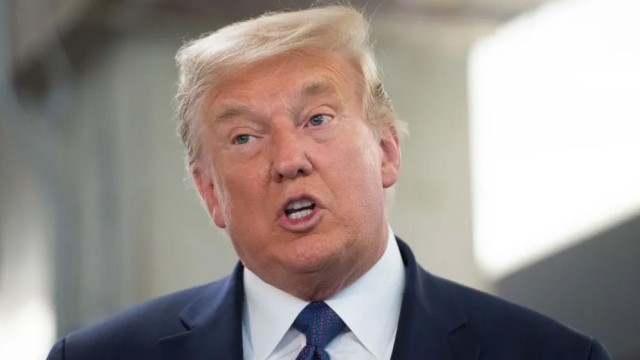
WASHINGTON, May 12, (V7N) – President Donald Trump warned Monday that the Middle East ceasefire was on “massive life support” after Iran rejected the latest US proposal, signaling a breakdown in efforts to reopen the Strait of Hormuz to commercial shipping. The president described Iran’s counteroffer as “TOTALLY UNACCEPTABLE” and insisted the United States would secure a “complete victory” over Tehran, sending oil prices sharply higher.
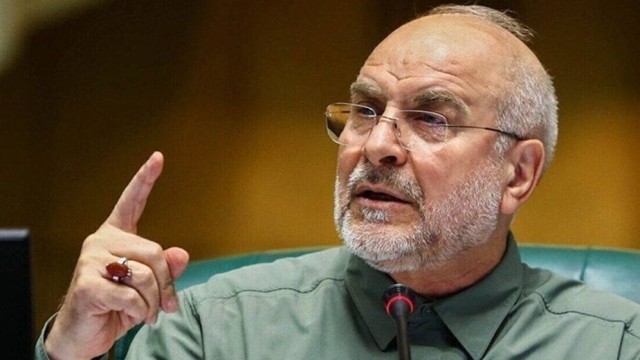
Trump compared the ceasefire’s condition to a critically ill patient with only a one percent chance of survival. In response, Iranian parliamentary speaker Mohammad Bagher Ghalibaf, a former chief negotiator in US-Iran talks, said Tehran’s armed forces were prepared “for any eventuality” and warned that aggression would be met decisively.
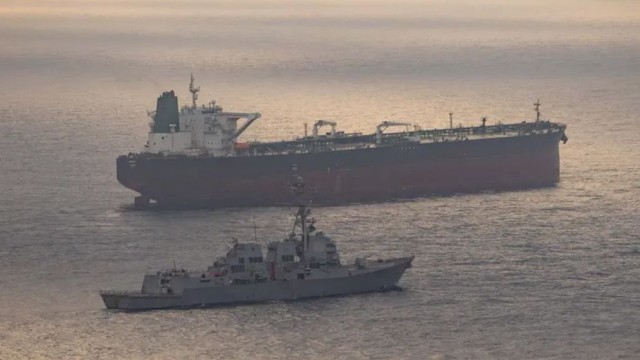
The impasse has unnerved global energy markets already disrupted by overlapping US and Iranian naval blockades in the Strait of Hormuz, a key conduit for oil and gas shipments. Amin Nasser, CEO of Saudi Aramco, described the energy supply shock as “the largest the world has ever experienced,” warning that even if the strait reopens today, market normalization could take months and may extend into 2027.
Beyond energy, the conflict threatens a major humanitarian crisis. Jorge Moreira da Silva, executive director of the UN Office for Project Services, said tens of millions could face hunger and starvation within weeks if disruptions to Gulf fertilizer exports persist.
Iran’s foreign ministry said its counterproposal called for an end to the US naval blockade and regional hostilities, including Israeli strikes against Hezbollah in Lebanon, along with the release of Iranian assets held in foreign banks. Tehran framed the demands as a restoration of its legitimate rights, not concessions, and reportedly suggested that some highly enriched uranium could be diluted, with the remainder transferred to a third country.
US, Israeli, and allied officials have stressed that Iran must not gain control over the Strait of Hormuz. Trump hinted he was considering reviving a short-lived US operation to escort commercial vessels through the waterway, but had not made a final decision. Washington also issued new sanctions against 12 individuals and companies involved in Iranian oil exports to China.
In Tehran, a social media post from the Iranian parliament’s national security commission warned that “restraint is over,” with Ebrahim Rezaei stating that any attack on Iranian vessels would provoke a “strong and decisive” response against US ships and bases.
The standoff highlights the fragile state of the ceasefire, the growing risk of a wider conflict, and the mounting economic and humanitarian fallout from disruptions in one of the world’s most strategic maritime regions.
END/WD/RH










Comment: